Understanding Leg Cramps

Ravish Kumar
| 24-12-2025
 · News team
Leg cramps can be sudden, sharp, and intensely painful muscle contractions, often occurring in the calf but also affecting thighs and feet.
While not usually serious, they can disrupt sleep and daily activities, highlighting the importance of effective relief strategies.
Causes and Contributing Factors of Leg Cramps
Leg cramps arise from muscle contractions that cause knots or tight bands, often lasting seconds to minutes. Dehydration, electrolyte imbalances (especially potassium, calcium, and magnesium deficiencies), and muscle fatigue from overexertion or prolonged inactivity contribute to cramping episodes. Certain medical conditions such as diabetes and thyroid issues, as well as nerve compression or circulatory disorders, may also provoke leg cramps.
Medications for chronic conditions like high blood pressure can inadvertently increase urination frequency, depleting minerals needed for muscle function. Pregnancy, aging, sedentary lifestyles, and excess weight further increase the risk. Identifying underlying factors is crucial in addressing cramps effectively.
Immediate Relief Techniques
Gentle stretching is a widely recommended first-aid measure. For calf cramps, straightening the leg and pulling toes toward the body lengthens the muscle, easing the cramp. Massaging the affected area improves blood flow and relaxes tightened fibers. Applying heat with a warm towel or bath soothes muscle tension, while cold packs can reduce soreness after cramps subside.
Standing and placing weight on the cramped leg or changing position can also provide relief. These self-administered techniques are typically safe and effective, allowing resumption of activity once the cramp dissipates.
Dietary Management and Hydration
Replenishing key electrolytes supports muscle function and reduces cramping susceptibility. Foods rich in potassium, magnesium, and calcium such as bananas, sweet potatoes, avocado, papaya, melon, tomatoes, and fish oil like salmon help maintain mineral balance. Coconut water is particularly beneficial for hydration and electrolyte restoration post-exercise.
Adequate daily water intake is essential to prevent dehydration-related cramps. Regular consumption of balanced meals containing these nutrients supports long-term muscle health, especially for individuals at higher risk.
Exercise and Stretching for Prevention
Regular stretching exercises targeting quadriceps, hamstrings, and calves enhance muscle flexibility and blood circulation, reducing cramp frequency. Examples include lunges to stretch the quadriceps, using a bench to stretch hamstrings, and calf stretches against a wall. Mild physical activities like walking promote overall muscle conditioning, helping prevent cramps linked to fatigue or inactivity. Incorporating 15 minutes of stretching daily is a practical routine to enhance muscle resilience.
Medical Treatments and When to Seek Help
While most leg cramps resolve with home care, persistent or severe cramps may require medical evaluation. Over-the-counter pain relief such as ibuprofen or acetaminophen can alleviate discomfort. Muscle relaxants may be prescribed if cramps are related to injury. Calcium channel blockers and vitamin B complex supplements have shown some benefit in particular cases, though evidence varies. It’s important to consult healthcare providers before starting any medication or supplement.
Persistent cramps accompanied by swelling, numbness, or lasting over ten minutes warrant professional assessment to rule out serious conditions such as vascular diseases or nerve compression.
Dr. Amanda Lee notes that maintaining good hydration helps keep the fluid balance in muscles stable, which can reduce their tendency to cramp, especially during physical activity or heat exposure.
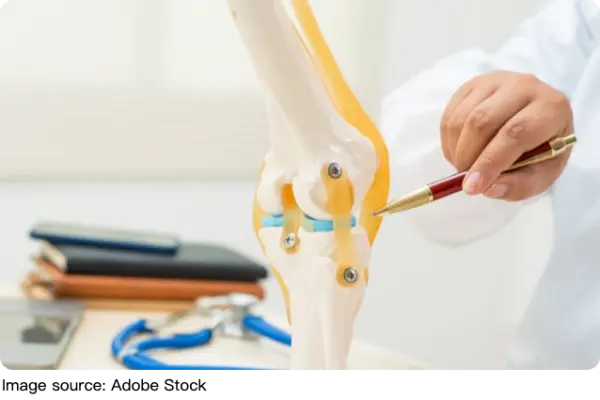
Leg cramps, though usually benign, can significantly impair quality of life due to pain and sleep disturbance. Immediate relief through stretching, massage, and heat or cold application is effective. Prevention centers on hydration, balanced electrolyte intake, and regular muscle conditioning. For recurring or severe cramps, medical consultation ensures proper diagnosis and treatment. Tailored interventions including supplements or medications may be necessary.
Understanding the multifactorial causes and adopting preventive habits provide the best approach to managing leg cramps effectively. Maintaining muscle health through diet, exercise, and hydration supports comfort and mobility, reducing the impact of cramps on daily living.