Food & Lifespan: True Facts!

Kwame Johnson
| 22-12-2025
 · News team
Dietary choices play a profound role in shaping human health and longevity.
Emerging research increasingly quantifies the direct effects of various foods in terms of minutes added or subtracted from lifespan, illustrating the power of nutrition in influencing not just quality of life, but its duration as well.
Minute-by-minute Impact of Food on Lifespan
A fascinating study from the University of Michigan analyzed how specific foods correlate with increased or decreased lifespan measured minute by minute. Findings revealed that regularly consuming processed meats like hot dogs can reduce life expectancy by 36 minutes per serving. In contrast, eating nuts was associated with a gain of 26 minutes, highlighting tangible effects of individual food choices on longevity.
These metrics underscore how cumulative dietary habits, not one-time choices, drive significant health outcomes. Small consistent changes in food intake have the potential to cumulatively extend or reduce lifespan over years.
Nutritional Components That Influence Longevity
Foods rich in fiber, antioxidants, and healthy oil play pivotal roles in extending healthy years. Fiber-rich vegetables, legumes, and fruits support heart and gut health, boosting systemic wellness and reducing chronic disease risk. Omega-3 acids found in fish like salmon and plant sources such as walnuts are vital for brain health and anti-inflammatory effects. Antioxidant-rich berries, including raspberries and blackberries, protect cells from damage and may slow aging processes.
Environmental and Health Synergy
Interestingly, many foods that benefit health also have lower environmental footprints. For example, reducing red and processed meat consumption lowers greenhouse gas emissions, water use, and land degradation. Experts note that aligning food choices to support both personal health and planetary sustainability creates a co-benefit scenario, helping to ensure a longer, healthier life on a thriving planet.
Practical Recommendations for Lifespan-Promoting Diets
Dietitians advise aiming for several servings of fruits and vegetables daily, using measurements like fist-sized portions to ensure adequate intake. Incorporating nuts several times a week and eating fish at least twice weekly delivers essential nutrients that support longevity. Moderation of meat intake, particularly limiting processed forms, is recommended to decrease lifespan-shortening risks while balancing nutritional needs.
Lindsay Knake, a health journalist for Blue Cross Blue Shield of Michigan, points out that prebiotics are crucial for promoting the growth of beneficial bacteria, which are vital for managing bowel health, inflammation, and immune function. She emphasizes that incorporating a range of prebiotic-rich foods is a key foundation for maintaining long-term gut and overall health.
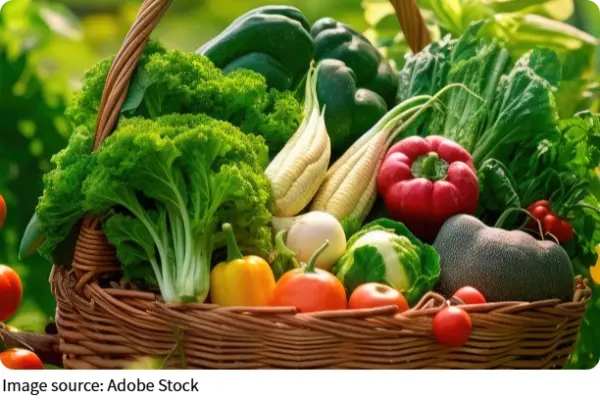
Food choices constitute a powerful modifiable factor in determining lifespan and healthspan. Scientific evidence increasingly quantifies the longevity impact of specific foods, reinforcing public health messages to consume more plant-based, nutrient-dense foods and less processed and red meats. Through mindful eating patterns, individuals can substantially improve the odds of living longer, healthier lives while also benefiting the environment.