Pumpkin Seeds: Good?

Ethan Sullivan
| 18-12-2025
 · News team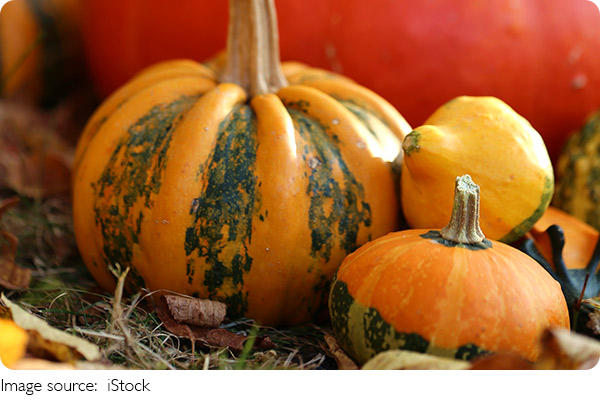
Pumpkin seeds, often overlooked remnants of fall harvests, emerge as nutrient-dense powerhouses.
These flat, oval kernels deliver a concentrated blend of proteins, healthy fats, and essential minerals that contribute to overall wellness.
Nutrient Profile Unveiled
A modest one-ounce (about 28 g) serving of roasted pumpkin seed kernels delivers roughly 126 – 160 calories, along with about 5–8 g of protein and around 1.8–5.2 g of fiber, depending on whether the seeds are hulled or unshelled.
Pumpkin seeds are rich in healthy fats, including polyunsaturated fatty acids such as omega-6s, which are associated with supporting heart health when consumed in moderation.
They also provide an array of important minerals, with notable amounts of magnesium, zinc, phosphorus, copper, iron, manganese, and potassium, all of which contribute to functions like energy metabolism, immune support, and muscle and nerve function.
Magnesium, in particular, plays a role in hundreds of biochemical reactions in the body, including energy production and muscle relaxation.
This nutrient profile, along with fiber and healthy fats, makes pumpkin seeds a nutrient-dense snack that can support overall metabolic and cardiovascular health as part of a balanced diet.
Cellular Protection Mechanisms
Laboratory observations indicate pumpkin seed extracts hinder proliferation of certain cancer cells, including those in prostate tissues, through apoptosis induction. High antioxidant density likely drives this effect, shielding cells from harm. Postmenopausal women consuming these seeds showed correlations with reduced cancer incidence in population surveys.
Beyond labs, these findings suggest broader protective roles. Phenolic acids and flavonoids neutralize inflammation pathways, fostering resilience against disease onset. Regular inclusion aligns with diets linked to diminished chronic condition prevalence.
Prostate Wellness Support
Clinical studies suggest that pumpkin seed extracts and oils may provide modest relief of lower urinary tract symptoms associated with benign prostatic hyperplasia (BPH). In two randomized, placebo-controlled 12-month trials, a proprietary pumpkin seed soft extract led to slightly higher response rates based on the International Prostate Symptom Score (IPSS) compared with placebo, with a small absolute difference in responders after one year of treatment.
Individual clinical trials also report that both oil-free hydroethanolic pumpkin seed extract and pumpkin seed oil can significantly reduce IPSS scores over periods such as 12 weeks or longer, indicating improvement in urinary symptoms and quality of life.
In a randomized trial comparing pumpkin seed oil with tamsulosin, both interventions decreased IPSS scores over three months, though the pharmaceutical agent produced a greater reduction; pumpkin seed oil was well-tolerated with fewer reported side effects
Heart and Metabolic Advantages
Magnesium abundance in these seeds stabilizes blood pressure and enhances vessel flexibility via nitric oxide elevation. Diets rich in such minerals correlate with lowered cardiovascular risks. A 12-week trial in postmenopausal females noted diastolic pressure drops and HDL cholesterol rises from oil supplementation.
Dietary strategies that combine adequate fiber intake and sufficient magnesium consumption are linked to better blood sugar regulation and a lower risk of developing type 2 diabetes over the long term. Fiber—especially soluble forms found in whole grains, legumes, fruits, and vegetables—can slow the absorption of carbohydrates, helping blunt post-meal glucose spikes and improve overall glycemic responses in healthy adults. Clinical trials have shown that adding viscous fiber to meals significantly reduces postprandial glucose excursions compared with low-fiber meals.
Observational data from large prospective cohorts indicate that people with higher magnesium intake have a significantly lower risk of type 2 diabetes compared with those with lower intake. In pooled analyses of U.S. cohorts followed for decades, individuals with the highest magnesium intake had about a 15 % lower risk of developing type 2 diabetes than those with the lowest intake, even after adjusting for other dietary and lifestyle factors.
Nutritional Benefits of Pumpkin Seeds – Dr. Berg
Dr. Eric Berg DC
Restful Sleep Promotion
Tryptophan, naturally present, converts to serotonin and melatonin, easing sleep onset. Coupled with magnesium, zinc, and selenium, these seeds address common insufficiencies disrupting rest cycles. Evening snacks before bedtime align with improved duration and quality in observational reports.
Stress reduction follows, as magnesium calms neural activity. Studies link adequate levels to fewer awakenings, particularly in older. This combination positions seeds as a natural aid for nightly rejuvenation.
Optimal Preparation Methods
Home-roasting scooped seeds at 300°F for 30-40 minutes boosts digestibility and antioxidants after rinsing stringy pulp. Soaking in cool water for 1-4 hours or sprouting over 8-12 hours diminishes phytic acid, enhancing mineral uptake. Unsalted, hulled options from stores serve as backups, though fresh preparations maximize benefits.
Incorporate into smoothies, yogurt, salads, or baked goods for versatility. A quarter-cup daily respects calorie density, preventing excess intake. Blending into dips or garnishing entrees diversifies applications without monotony.
Certified holistic nutritionist Robin DeCicco emphasizes, "Pumpkin seeds pack a huge protein and fiber punch to stabilize blood sugar and reduce cravings and are also high in many antioxidants and vitamins for overall health."
Considerations for Consumption
Rare allergic responses range from mild discomfort to severe reactions, warranting caution upon initial trials. High vitamin K and diuretic properties suggest consulting providers on blood thinners or pressure medications. Gradual introduction mitigates digestive adjustments from fiber surges. Portion control curbs calorie accumulation, as lipid dominate the profile. Whole seeds preserve fiber advantages over pepitas, supporting satiety.
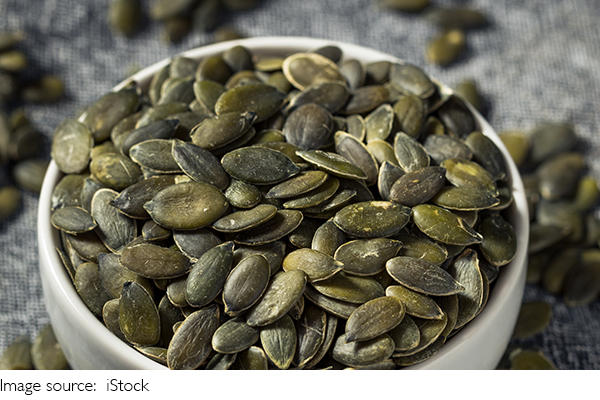
Pumpkin seeds stand as versatile allies in wellness pursuits, backed by nutrient density and emerging trial evidence. From inflammation moderation to prostate comfort and sleep enhancement, their contributions enrich daily nutrition. Thoughtful preparation unlocks full potential, making them a staple for sustained health vitality.