5 Unhealthy Sleep Position!

Kwame Johnson
| 24-12-2025
 · News team
Sleep positions affect comfort and health in big ways. Some common ones strain the body overnight, leading to pain or poor rest.
Stomach sleeping twists the neck and hurts the back. T-rex arms bent tight press nerves in elbows. Fetal curl too tight squeezes chest breathing.
Back sleeping worsens snoring for many. Half-sitting with head down strains shoulders long-term. Switching to better habits like side sleeping helps avoid these issues.
Stomach Sleeping Strains Back and Neck
Lying face down forces the head to turn sideways, twisting neck muscles for hours. This uneven pull leads to stiffness and pain by morning. The spine curves unnaturally into an arch, putting extra load on middle and lower back. People wake with soreness that lasts all day. Soft mattresses make hips sink, worsening the curve into a U-shape. Studies link this position to more back complaints over time.
T-Rex Arms Cause Nerve Pressure
Arms bent and tucked close to chest like a dinosaur mimic presses nerves in elbows and wrists. Blood flow slows, causing numb or tingly hands upon waking. Shoulders stiffen from the hunch, adding soreness. Doctors note repeated nights lead to lasting nerve harm, making hands weak. Stress or pain triggers this protective curl, but it traps issues instead of fixing them.
Tight Fetal Position Limits Breathing
Head bowed forward with knees pulled high cramps chest space, making breaths shallow. Back arches sharply, tightening muscles around ribs. This raises odds of morning stiffness in neck and shoulders. Long-term use links to ongoing tightness from collagen tissue strain held over ten minutes. Sleep quality drops as body fights the squeeze.
Back Sleeping Boosts Snoring Trouble
Flat on back lets gravity pull throat tissues down, narrowing airways. Snoring gets louder, and sleep apnea worsens for those prone. Airway collapse spikes symptoms, cutting deep rest phases. Older or heavier folks face bigger blocks from chest pressure. Side shifts often cut noise and pauses right away.
Posture expert reveals the only two positions you should be sleeping in
The Independent
Half-Sitting Bends Neck Wrong
Propped up with pillows while phone scrolling bows head forward hours. Neck cranes at bad angles, swelling shoulders and lower back. Spine workload jumps, sparking pain from curve shifts. TV nights in this pose build daily aches over weeks. Straight posture breaks every 20 minutes ease strain.
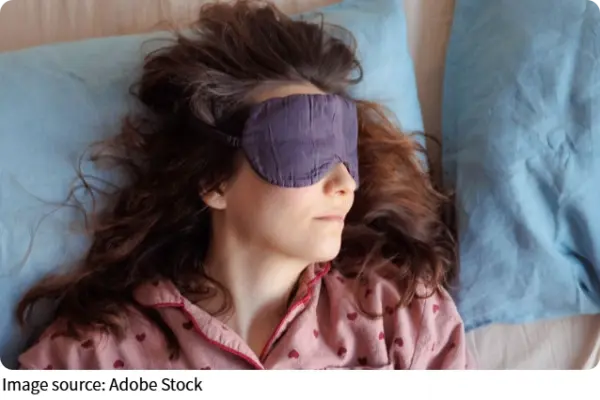
Dr. Raj Dasgupta, a sleep medicine specialist, explains that sleeping with your arms bent and tucked close to your body can compress nerves around the elbows or wrists, reducing circulation and leading to sensations like numbness or tingling. Over time, consistently resting in this position may also put extra strain on the shoulders, causing stiffness or soreness.
Each brings pain, poor sleep, or lasting woes from sustained twists. Side sleeping with loose limbs offers relief and deeper recovery. Small changes like firm pillows or position nudges lead to mornings full of ease