Soap and Scrub

Sofia Alvarez
| 07-01-2026
 · News team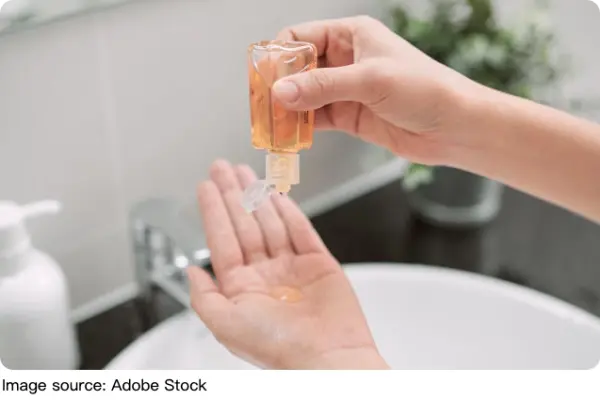
Handwashing disrupts microbial transmission chains, slashing diarrheal incidents by 30-47% and respiratory ailments by 16-23% through surfactant action that lifts pathogens from skin surfaces.
Soap molecules emulsify lipids in viral envelopes and bacterial membranes, while friction dislodges biofilms harboring resilient strains like norovirus or Staphylococcus.
Mechanical scrubbing for 20 seconds achieves 99.9% germ reduction, far surpassing sanitizers against non-enveloped viruses.
Mechanics of Microbial Removal
Lathering generates foam that enter crevices, trapping fecal and rhinoviruses in micelles flushed away by rinsing. Studies reveal unwashed hands harbor 3-5 log units more colony-forming units post-contact with contaminated fomites. Warm water enhances viscosity breakdown without scalding, optimizing detergent efficacy across palm backs and interdigital spaces.
Nail brushing targets subungual reservoirs, where 80% of transient flora persists, including antibiotic-resistant enterics. Air drying or single-use towels minimize recontamination versus communal cloths breeding Pseudomonas. Sequential washing—wet, soap, scrub, rinse, dry—maximizes logarithmic reductions verified in controlled trials.
Critical Timing for Pathogen Interception
Washing hands with soap and water after using the restroom or before preparing food is a proven way to reduce the spread of infectious germs. Community handwashing promotion can lower diarrheal disease rates by about 23–40 % and, for individuals with weakened immune systems, reduce diarrheal illnesses by up to 58 %. It also helps decrease respiratory illnesses like the common cold by about 16–21 %. Handwashing interrupts transmission of pathogens such as Salmonella and norovirus that can be transferred from feces or contaminated surfaces into food or to other people.
Cleaning hands after coughing or sneezing and before handling food interrupts the route of infection, while washing after contact with animals or their environments helps minimize the risk of zoonotic pathogens. Drying hands thoroughly with a clean towel or air drying is recommended because germs spread more easily when hands are wet. These simple practices are key components of infection prevention in community and childcare settings.
Combating Antibiotic Resistance Spread
Frequent rinsing averts unnecessary prescriptions for self-limiting gastroenteritis, curbing selective pressures fostering multidrug-resistant Enterobacteriaceae. Global estimates link poor hygiene to 700,000 annual resistance deaths, with soap access potentially averting 1 million total fatalities yearly. Hand hygiene education in communities trims school absences by 29-57% from gastrointestinal bouts.
Reducing respiratory colds by 21% preserves antibiotic stocks for severe cases, disrupting vicious cycles in healthcare settings. Vulnerable populations gain outsized protection, with weakened immunity seeing 58% drops in diarrheal episodes. Routine practice fortifies community resilience against emerging superbugs.
Soap Versus Sanitizer Realities
Sanitizers evaporate too swiftly for enveloped foes like SARS-CoV-2 without sustained contact. Compounded sanitizers emerge superior only post-initial cleanse, per layered intervention models. Soap, when rinsed properly, pose negligible reintroduction risks despite surface microbes. Liquid variants minimize sharing vectors in households. Fragrance-free formulas suit sensitivities without compromising oleic acid.
Environmental and Global Hygiene Gaps
1.7 billion lack home facilities, stalling 2030 targets requiring eightfold gains in fragile regions. School programs boost attendance via 23-40% illness drops, embedding lifelong reflexes. Urban density amplifies fomite relays, making public sinks pivotal for collective defense.
Dr. Robert H. Hopkins, Jr., Medical Director at the National Foundation for Infectious Diseases, emphasizes that because handwashing plays such a crucial role in preventing infectious diseases, enhancing hand hygiene practices offers a powerful way to boost health outcomes for people everywhere.
Persistent lathering at pivotal junctures fortifies defenses against entrenched threats, blending physics with epidemiology for profound safeguards. Layered timing, technique refinement, and access expansion yield measurable vitality gains worldwide. Sustained vigilance transforms simple rituals into enduring public health anchors.