Sugar & Kids Energy!

Mariana Silva
| 14-02-2026
 · News team
Concerns about sugar consumption and hyperactivity in children have persisted for decades.
Parents, educators, and healthcare professionals often observe children becoming energetic or restless after consuming sweets, leading to widespread beliefs that sugar directly triggers hyperactivity.
Understanding Hyperactivity in Children
Hyperactivity refers to excessive physical movement, impulsive behavior, and difficulty maintaining attention. It can manifest in various settings such as school, playgrounds, or home. While sometimes associated with Attention Deficit Hyperactivity Disorder (ADHD), not all hyperactive behavior indicates a clinical condition. Temporary increases in energy levels are common in children, influenced by sleep, environment, emotional state, and nutrition.
Hyperactivity is regulated by complex neurological pathways involving dopamine and norepinephrine signaling in the brain. These neurotransmitters govern attention, reward processing, and self-control. Any factor that modifies neurotransmitter activity can potentially influence energy and focus, though sugar alone may not have a direct causal effect.
Sugar and Behavioral Response
Sugar provides a rapid source of energy through glucose, which fuels body and brain activity. A common perception is that this quick energy release leads to sudden bursts of hyperactive behavior. Some studies suggest that children may show increased motor activity after consuming high-sugar foods, but these effects are often context-dependent. Excitement from celebrations, social interactions, or anticipation of treats can amplify observed hyperactivity, confounding the impact of sugar itself.
Psychological and Environmental Factors
Behavioral responses to sugar are influenced by expectation and context. If children or adults believe that sugar causes hyperactivity, children may subconsciously act in ways that fulfill this expectation. Similarly, social and environmental stimulation—birthday parties, playgrounds, or festive events often coincides with sugar consumption, reinforcing the perception of a sugar-behavior link.
Cultural narratives about “sugar highs” may also shape parental reporting. Parents who expect children to be hyperactive after sweets are more likely to interpret normal playful behavior as excessive. This phenomenon highlights the interplay between perception, environment, and actual physiological effects.
Dr. Mark L. Wolraich, a developmental and behavioral pediatrician, emphasizes that research does not support sugar as a cause of hyperactivity in children, and that perceptions of sugar’s effects often reflect context and expectations rather than a direct physiological impact.
Practical Considerations for Parents and Caregivers
Although sugar may not directly cause hyperactivity, excessive consumption can still affect children’s health. High sugar intake is associated with dental issues, obesity, and fluctuations in energy levels. Balanced dietary habits, including adequate protein, fiber, and complex carbohydrates, support sustained energy and emotional stability. Limiting sugary foods in structured settings helps prevent spikes in energy that might exacerbate attention or behavior challenges.
Monitoring behavior in relation to sugar intake should consider multiple factors. Observing patterns over time, rather than reacting to isolated incidents, provides a clearer understanding of a child’s behavioral responses. Pairing sugar with protein or fiber, maintaining regular sleep schedules, and encouraging physical activity can help children manage energy more effectively, independent of sugar consumption.
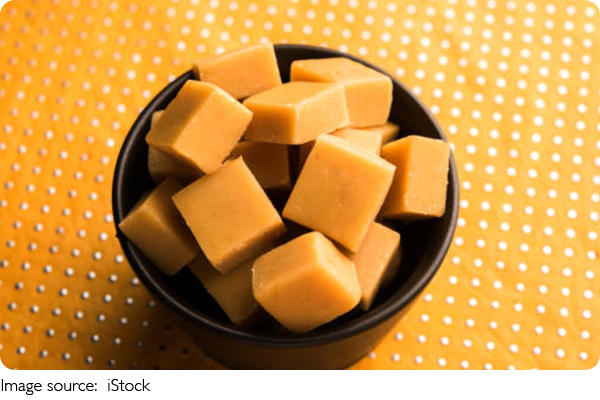
The connection between sugar and child hyperactivity is complex and often misunderstood. While sugar provides rapid energy, it does not directly cause hyperactive behavior in most children. Maintaining a balanced diet, structured routines, and realistic expectations allows caregivers to support children’s energy management, focusing on overall well-being rather than reacting to common myths about sugar.