Pets: Reduce Human Stress!

Caroll Alvarado
| 04-03-2026
 · News team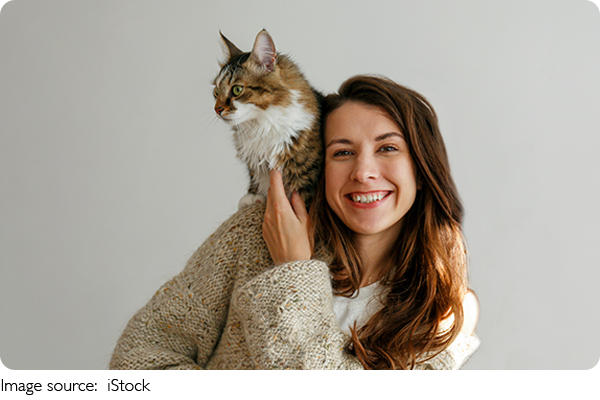
Animals have shared human lives for thousands of years, not merely as companions but also as beings that influence our emotional and psychological well‑being.
In modern society, rising stress and anxiety levels have led many people to turn to pets for comfort and stability.
Biological Effects: How Pets Calm the Nervous System
Interaction with pets has measurable effects on the human body’s response to stress. Physical contact with an animal—such as petting a cat can trigger the release of oxytocin, a hormone associated with social bonding and relaxation. At the same time, levels of cortisol, a hormone linked to stress, tend to decrease during these interactions. This shift in the balance of neurotransmitters and hormones helps reduce anxiety and promote a state of calm.
In addition to hormonal responses, engaging with pets has been associated with decreases in physical indicators of stress, such as heart rate and blood pressure. These physiological changes help the body recover more quickly from stressful situations, facilitating a more relaxed state even after exposure to tension or pressure.
Emotional Support Through Companionship
Pets provide a unique form of emotional support that is both consistent and non‑judgmental. Unconditional affection from an animal companion can ease feelings of isolation, particularly in individuals who may otherwise experience loneliness or social anxiety. The regular presence of a companion animal creates a sense of security and emotional steadiness that many find challenging to achieve through human relationships alone, especially during stressful periods.
The National Institutes of Health highlights that such human‑animal interactions may also support emotional and social skills in children and contribute to reduced anxiety, especially in structured settings like therapy or reading programs with trained animals.
Routine and Responsibility as Stress Buffers
Caring for a pet introduces structure into daily life. Feeding, walking, and grooming require predictable routines, which can be comforting for individuals dealing with anxiety. Structure reduces uncertainty, and having clear responsibilities tied to the needs of another living being can foster a sense of purpose. This purpose can act as a buffer against rumination and worry, common features of chronic stress.
Regular physical activity associated with pet care such as dog walking—contributes further to emotional well‑being. Exercise naturally increases endorphins, chemicals in the brain that act as mood elevators. This combination of routine and movement helps break cycles of stress and supports more positive emotional states.
Social Engagement and Community Connection
Pets also facilitate social interaction beyond the home. Dog walking, visits to pet‑friendly areas, and shared interests in animal care create opportunities for social engagement that might not otherwise arise. These interactions can lead to richer social networks and increased community connection, both of which are strongly associated with better mental health outcomes.
For people who experience anxiety in social settings, pets can act as emotional anchors. Their presence may reduce perceptions of threat in social engagements and make it easier to start conversations or participate in group activities built around shared interests.
Therapeutic and Clinical Applications
Beyond everyday pet ownership, structured animal‑assisted therapy (AAT) and canine‑assisted therapy (CAT) programs demonstrate the therapeutic potential of animals in clinical environments. Research suggests that guided interactions with therapy animals can help decrease symptoms of anxiety and provide emotional support in populations ranging from university students to individuals facing trauma recovery. These interventions often involve trained animals and handlers who work with mental health professionals to enhance the therapeutic process.
Rebecca Brendel, work in the American Psychiatric Association, has underscored how deeply pets contribute to our emotional well‑being, noting that the animals we welcome into our homes serve not just as loved, non‑judgmental companions but also as meaningful partners in helping to ease stress and anxiety.
The role of pets in reducing human stress and anxiety is supported by a combination of biological, psychological, and social mechanisms. Pets can trigger calming physiological responses, offer emotional support without judgment, introduce structure to daily life, and foster positive social engagement.