Screen Time: Affects Sleep!

Chris Isidore
| 12-03-2026
 · News team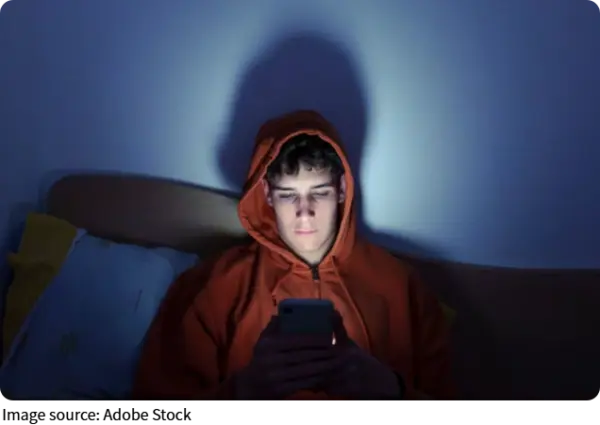
Digital screens are now deeply woven into the fabric of modern life — from smartphones and tablets to computers and televisions — shaping how we communicate, work, learn, and relax.
Surveys show that many people spend hours each day engaging with digital devices, with average screen exposure climbing steadily across age groups. Even young children are routinely introduced to screens early in life, making digital media an integral part of daily routines for both adults and youth.
The Biology of Sleep and Light Exposure
Sleep follows a natural daily rhythm that responds to light and darkness. This rhythm helps determine alertness during the day and readiness for rest at night. Exposure to light in the evening can delay this process by signaling wakefulness to the brain. Screens emit a strong form of short-wavelength light often called blue light. This type of light is especially effective at increasing alertness and delaying the body’s natural transition toward sleep.
Timing Matters More Than Total Screen Use
The impact of screen time on sleep depends heavily on timing. Daytime screen use has far less effect on sleep than exposure during the evening hours. Screens used within one to two hours before bedtime are most likely to interfere with sleep onset. Late-night screen use delays the natural feeling of sleepiness and increases mental alertness. This delay can shorten total sleep time, especially on work or school nights with fixed wake times.
Mental Stimulation and Cognitive Arousal
Screens affect sleep not only through light exposure but also through mental stimulation. Fast-paced content, social interaction, and emotionally engaging material activate attention systems in the brain. This activation makes it harder to shift into a relaxed state. Interactive activities such as gaming, messaging, or scrolling through news feeds require constant decision-making and emotional processing. These processes increase cognitive arousal, which can persist even after the screen is turned off.
Effects on Sleep Quality
Reduced sleep quality often follows delayed sleep onset. Even when total sleep time appears adequate, screen-related disruption can fragment rest. Shallow sleep stages may dominate, leaving individuals feeling tired despite spending enough time in bed. Studies in sleep medicine have linked evening screen use to increased nighttime awakenings and less restorative rest. These effects are especially noticeable when screens are used in bed, where the brain begins to associate the sleep environment with alert activity rather than rest.
Impact on Children and Adolescents
Children and adolescents are particularly sensitive to screen-related sleep disruption. Developing brains respond strongly to light and stimulation. In younger age groups, evening screen use has been associated with later bedtimes and reduced total sleep duration. Consistent sleep schedules are critical for attention, learning, and emotional regulation during development. When screens interfere with sleep routines, daytime functioning may be affected.
Environmental and Habitual Factors
Screen placement also matters. Devices kept in bedrooms increase the likelihood of late-night use and nighttime interruptions. Notifications, alerts, and visual cues can disrupt rest even without active use.
Habit formation plays a role as well. When screens become part of bedtime routines, the brain learns to associate the end of the day with stimulation rather than relaxation. Replacing screens with calming activities helps retrain this association.

Strategies That Support Better Sleep
Reducing screen exposure before bedtime is one of the most effective strategies for improving sleep. Many sleep specialists recommend limiting screen use at least one hour before rest. Dimming lights and choosing non-digital activities supports a smoother transition to sleep.
Using screen settings that reduce blue light may help but does not fully eliminate the stimulating effects of screen use. Content choice also matters. Passive, calming activities are less disruptive than interactive or emotionally charged material. Creating a consistent evening routine signals the brain that rest is approaching. Regular schedules, low lighting, and quiet activities support natural sleep rhythms.
Dr. Jennifer Cross, a developmental pediatrician at NewYork-Presbyterian, offers this exact verified statement: “There is emerging evidence that there may be some structural brain changes associated with greater exposure to screen time as a young child.”
Screen time affects sleep through both light exposure and mental stimulation. With understanding these mechanisms and adjusting daily routines, healthier sleep patterns become more achievable.