Cancer & DNA: Raise Risk!

James Carter
| 19-03-2026
 · News team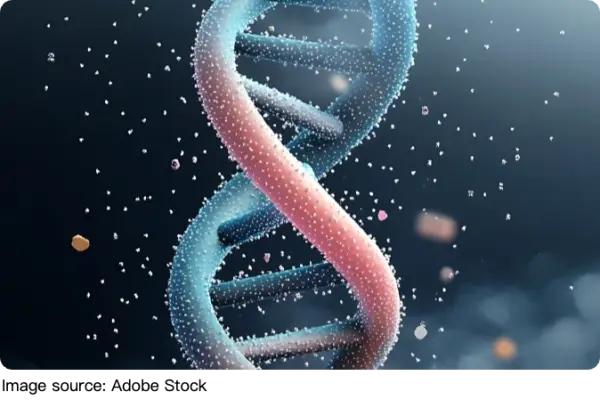
Cancer is fundamentally a disease of the genome, arising when cellular DNA accumulates mutations that disrupt normal growth regulation.
While environmental factors, lifestyle, and exposures contribute significantly, inherited genetic variations can markedly influence susceptibility.
How Genes Influence Cancer Risk
DNA contains instructions for cellular function, growth, and repair. When key genes involved in these processes are altered, cells may proliferate uncontrollably, evade apoptosis, or fail to repair damaged DNA efficiently. Mutations in tumor suppressor genes, oncogenes, and DNA repair genes are particularly impactful.
Inherited Mutations vs. Acquired Mutations
Genetic susceptibility can be inherited or acquired. Inherited mutations are present in every cell from birth, passing through generations. Acquired mutations occur during a person’s lifetime due to environmental exposures, replication errors, or lifestyle factors. Inherited mutations, though less common, often confer a higher lifetime risk.
Key High-Risk Genes
Several genes have been identified as carrying significant cancer risk.
TP53: Known as the “guardian of the genome,” TP53 mutations impair the cell’s ability to respond to DNA damage, increasing susceptibility to multiple cancer types.
PTEN: Mutations in PTEN contribute to Cowden syndrome, increasing susceptibility to thyroid and other malignancies.
The Role of Genetic Testing
Genetic testing identifies mutations that increase cancer risk, providing information for precision prevention. Testing is particularly valuable when family history suggests inherited susceptibility. Positive identification allows for enhanced surveillance, lifestyle adjustments, chemoprevention, or prophylactic surgery in select cases.
Ethical and psychological considerations are critical in genetic testing. Proper counseling ensures that individuals understand the implications of results, the probabilistic nature of risk, and the potential impact on relatives.
Environmental Interactions and Gene Expression
Genes alone do not dictate destiny; environmental and lifestyle factors modulate cancer risk through interactions with the genome. Epigenetic changes, influenced by diet, exposure to carcinogens, and inflammation, can activate or silence critical genes. Even with high-risk mutations, modifying environmental factors can reduce overall risk.
For example, avoiding maintaining a balanced diet, managing weight, and limiting UV exposure can influence how genes associated with lung, colorectal, or skin cancers manifest. Awareness of both inherited and modifiable risks provides a comprehensive framework for prevention.
The interaction between genes and the environment is a central concept in modern cancer research. According to Andrew Paul Feinberg, a leading pioneer in cancer epigenetics, changes in gene expression—rather than DNA sequence alone—play a critical role in cancer development.
His work demonstrates that environmental and lifestyle factors such as diet, inflammation, and exposure to toxins can alter epigenetic mechanisms like DNA methylation, effectively turning genes “on” or “off.” Supporting this, research published in Cancer Journal highlights that a large proportion of cancers are linked to environmental influences acting through epigenetic pathways, reinforcing the idea that genetic risk is not fixed and can be modified through lifestyle choices.
Moving Toward Personalized Prevention
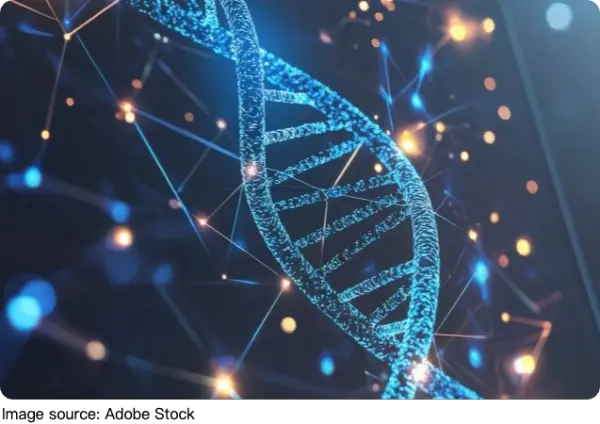
Advances in genomics enable more precise identification of individuals at heightened risk. Combining genetic data with lifestyle assessment and environmental exposure profiling allows for personalized prevention strategies. These approaches include tailored screening schedules, early detection measures, and individualized risk-reduction plans.
Integration of genetic counseling with healthcare systems ensures that high-risk individuals are monitored appropriately, enhancing outcomes while avoiding unnecessary interventions in lower-risk populations.
Cancer risk is intricately linked to genetic makeup, with inherited mutations in key genes substantially elevating susceptibility. Recognizing and addressing inherited genetic risk allows individuals to take informed steps toward reducing cancer incidence, emphasizing the central role of DNA in shaping long-term health outcomes.