Ringing in the Ears: Causes

Amit Sharma
| 19-03-2026
 · News team
Ringing in the ears, often described as buzzing, hissing, or whistling, is a common experience that can affect daily focus and emotional comfort.
This condition is widely known as tinnitus. It is not a condition by itself but a signal that something within the hearing or nerve system is out of balance.
Understanding Ringing in the Ears
Ringing in the ears occurs when sound is perceived without an external source. The sound may be constant or intermittent and can vary in intensity. Some individuals notice it only in quiet settings, while others experience it throughout the day. The sensation may affect one side or both.
This experience often reflects changes in how sound signals are processed rather than damage alone. Many factors influence how the brain interprets sound signals, making tinnitus a complex condition.
Noise Exposure and Sound Overload
One of the most common causes of ringing in the ears is repeated exposure to loud sound. Concerts, industrial equipment, headphones at high volume, and sudden loud events can strain hearing pathways. Even when discomfort fades, lingering sound perception may remain. Over time, repeated sound overload can alter how sound signals are processed, leading to persistent ringing.
Age-Related Hearing Changes
As people age, gradual changes in hearing sensitivity may occur. These changes often affect the ability to hear higher sound frequencies. When certain sound signals are no longer received clearly, the brain may attempt to compensate, resulting in phantom sounds. This type of ringing often develops slowly and may be more noticeable in quiet environments.
Ear Blockage and Pressure Changes
Blockage caused by wax buildup, fluid, or pressure imbalance can interfere with sound transmission. When sound input becomes uneven, the brain may misinterpret signals, leading to ringing sensations. Pressure changes during air travel, sinus congestion, or jaw tension may also contribute. In many cases, addressing the blockage or pressure source reduces symptoms.
Jaw and Muscle Tension
Jaw alignment and muscle tension near the head and neck can influence sound perception. Tension or misalignment may affect nearby nerve pathways, leading to ringing or clicking sounds. Stress often increases muscle tension, making symptoms more noticeable. This connection explains why relaxation and posture awareness sometimes improve comfort.
Circulation and Sound Sensitivity
Changes in blood flow near the hearing system may produce rhythmic or pulsing sounds. These sounds often match the heartbeat and differ from constant ringing. Sensitivity to internal sound flow may increase during periods of stress, fatigue, or heightened awareness. While less common, this type of tinnitus benefits from professional evaluation.
Medication and Chemical Sensitivity
Certain medications may affect hearing sensitivity as a side effect. These effects vary depending on dosage, duration, and individual response. In some cases, symptoms improve after adjustment or discontinuation under medical guidance. Chemical exposure in occupational settings may also influence hearing perception over time. Awareness of environmental factors is important for prevention.
Emotional Stress and Nervous System Response
Stress does not directly cause ringing in the ears, but it can intensify awareness of sound perception. Heightened alertness may amplify internal signals that are normally ignored. Anxiety and sleep disruption often increase symptom awareness. Managing stress supports overall nervous system balance and may reduce perceived intensity.
Dr. Pawel J. Jastreboff, a respected neuroscientist known for his work on tinnitus research, stated: “Tinnitus is not a disease, but a symptom.”
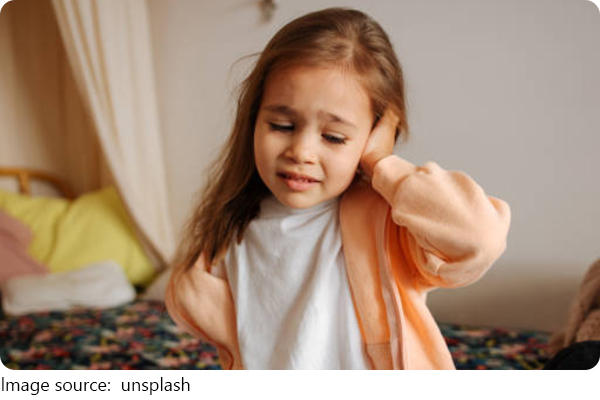
When to Seek Professional Guidance
Persistent ringing that interferes with daily activity, sleep, or concentration deserves professional evaluation. Sudden onset, uneven hearing, or associated discomfort should also be assessed promptly. Early evaluation helps rule out underlying issues and supports targeted management strategies.
Ringing in the ears arises from various causes, including sound exposure, age-related hearing changes, blockage, muscle tension, circulation sensitivity, medication effects, and stress. It reflects altered sound processing rather than a single condition. Expert insight confirms tinnitus as a symptom with many contributing factors. Understanding these causes supports early awareness, informed decisions, and improved quality of life.