Hidden DNA Disorder?

Amit Sharma
| 13-04-2026
 · News team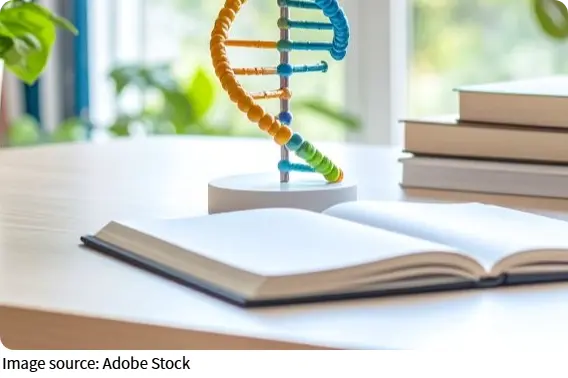
Genetic disorders arise when changes occur in the structure or function of DNA, the molecule responsible for carrying biological instructions. These alterations can influence how cells operate, leading to a wide range of health conditions that vary in severity and onset.
Advances in molecular biology have significantly improved understanding of these conditions, revealing how even small variations in genetic code can have profound effects on development and overall function.
DNA and Genetic Variation
DNA is composed of sequences of nucleotides that form genes, each encoding specific instructions for cellular processes. Under typical conditions, these sequences are accurately replicated and passed on. However, mutations—defined as changes in DNA sequences—can disrupt normal function. Some mutations occur spontaneously during cell division, while others result from environmental influences such as radiation or chemical exposure.
Not all genetic variations lead to disease. Many are harmless or even beneficial. Disorders emerge when mutations interfere with essential biological pathways, altering protein structure or gene regulation. These disruptions can impair communication between cells, hinder metabolic processes, or affect growth patterns.
Types of Genetic Disorders
Genetic disorders are broadly categorized based on how mutations affect the genome. Single-gene disorders result from alterations in one specific gene. Conditions such as Cystic Fibrosis occur due to mutations that impair the function of proteins responsible for regulating fluid balance, leading to thick secretions that disrupt normal processes.
Chromosomal disorders involve larger structural changes, including missing or extra segments of DNA. Down Syndrome is a well-known example, where an additional copy of a chromosome leads to developmental differences and characteristic physical features.
Complex disorders arise from interactions between multiple genes and environmental factors. These conditions do not follow simple inheritance patterns and may include susceptibility to certain chronic illnesses. Their complexity makes prediction and prevention more challenging.
Mechanisms Behind Genetic Mutations
Mutations can take several forms, including substitutions, insertions, deletions, and duplications. Each type affects DNA differently. For instance, a substitution may change a single nucleotide, potentially altering one amino acid in a protein. Insertions or deletions can shift the reading frame, drastically changing the resulting protein structure.
Errors during DNA replication are a primary source of mutations. Although cellular repair mechanisms exist to correct mistakes, some errors escape detection. Over time, accumulated mutations may interfere with normal function. Inherited mutations are present from birth, while acquired mutations develop later due to environmental exposure or cellular stress.
Diagnosis and Genetic Testing
Modern diagnostic techniques allow for early detection of many genetic disorders. Genetic testing analyzes DNA to identify mutations associated with specific conditions. Technologies such as polymerase chain reaction (PCR) and next-generation sequencing provide detailed insights into genetic variations.
Prenatal screening can identify certain chromosomal abnormalities before birth, while carrier testing helps determine whether individuals carry genes that could be passed on. Early diagnosis enables better management strategies, allowing healthcare providers to tailor interventions and monitor progression more effectively.
Advances in Treatment and Management
Although many genetic disorders cannot be fully cured, treatment approaches have advanced significantly. Therapies often focus on managing symptoms and improving quality of life. In recent years, gene therapy has emerged as a promising approach. This technique involves introducing corrected genetic material into cells to restore normal function.
Precision medicine represents another major development. By tailoring treatments based on an individual’s genetic profile, healthcare providers can improve effectiveness and reduce adverse effects. Nutritional adjustments, targeted medications, and lifestyle modifications also play important roles in managing certain conditions.
Prevention and Ethical Considerations
While not all genetic disorders can be prevented, risk can sometimes be reduced through informed decision-making. Genetic counseling provides individuals and families with information about inheritance patterns, potential risks, and available testing options. This guidance helps in understanding complex genetic information and making well-informed choices.
Ethical considerations remain central to genetic research and testing. Issues such as privacy, consent, and equitable access to technology require careful attention. Responsible use of genetic information ensures that scientific progress benefits society without causing harm or discrimination.
According to the National Institutes of Health (NIH) and the National Human Genome Research Institute (NHGRI), genetic disorders arise from mutations in DNA, which may either be inherited from parents or develop as new changes within an individual’s cells.
Genetic disorders illustrate the delicate balance within DNA that sustains normal biological function. Mutations—whether inherited or acquired—can disrupt this balance, leading to a wide spectrum of conditions. Advances in genetic research, diagnostic tools, and targeted therapies have significantly improved the ability to detect and manage these disorders.