Kids Toothbrushing Tips!

Raghu Yadav
| 28-04-2026
 · News team
Developing effective toothbrushing habits during early childhood plays a crucial role in preventing dental problems and supporting healthy growth. Young children are especially vulnerable to dental caries because their enamel is still developing and more sensitive to damage from acids.
Establishing proper hygiene routines early helps maintain strong teeth, reduces discomfort, and encourages long-term health awareness. Careful guidance and consistent practice are essential to ensure brushing is both effective and safe.
Early Tooth Development
Primary teeth begin appearing within the first year of life and serve important roles in chewing, speech development, and guiding permanent teeth into proper alignment. These early teeth have thinner protective layers, making them more prone to decay. Bacterial buildup forms a sticky film known as plaque on the surface of teeth. If not removed regularly, plaque produces acids that weaken enamel and lead to cavities. Because this process can progress quickly in children, consistent cleaning becomes especially important.
Selecting Safe and Effective Tools
Choosing the right toothbrush and toothpaste is essential for maintaining dental hygiene. A small toothbrush with soft bristles is ideal for young children, as it allows gentle cleaning without causing irritation. The handle should be designed for easy grip, helping caregivers guide brushing movements accurately.
Fluoride toothpaste is recommended because it strengthens enamel and protects against decay. However, the amount must be carefully controlled. A tiny smear is sufficient for younger children, while a pea-sized portion is appropriate as they grow older. This ensures protection while minimizing unnecessary exposure.
Teaching Proper Brushing Technique
Effective brushing involves gentle circular motions that clean all tooth surfaces, including the front, back, and chewing areas. Each session should last approximately two minutes to ensure thorough cleaning. Young children often lack the coordination required for proper brushing, making supervision essential. Caregivers should guide movements and ensure that no areas are missed. Positioning the child in a stable and comfortable posture can improve accuracy and make the process smoother.
Building a Consistent Routine
Routine plays a vital role in developing strong hygiene habits. Brushing should be incorporated into daily activities, typically in the morning and before sleep. Establishing a predictable schedule helps children understand the importance of regular care. Engaging methods such as using songs, timers, or storytelling can make brushing more enjoyable and reduce resistance. Positive reinforcement encourages cooperation and helps transform brushing into a familiar and accepted part of daily life.

The Influence of Diet on Dental Health
Dietary habits significantly impact the condition of teeth. Frequent consumption of sugary foods and drinks fuels bacteria that produce harmful acids. Sticky snacks are particularly problematic because they remain on teeth longer, prolonging exposure. Encouraging balanced meals with limited sugar intake supports stronger enamel. Drinking water after eating can help remove food particles and reduce acid buildup. Limiting snacking between meals also decreases repeated exposure to harmful substances.
Preventive Care and Professional Support
Regular dental visits are essential for monitoring development and identifying potential issues early. Professional evaluations provide opportunities for preventive treatments, such as fluoride applications, which enhance enamel strength. Dental professionals also offer personalized advice on hygiene practices and dietary habits. Early exposure to dental care environments helps children become comfortable with routine check-ups, reducing anxiety over time.
Encouraging Long-Term Healthy Habits
Developing strong brushing habits during childhood lays the foundation for lifelong dental care. As children grow, they gradually gain independence in brushing, but continued supervision ensures that proper technique is maintained. Reinforcing the importance of hygiene through education and routine helps sustain these habits.
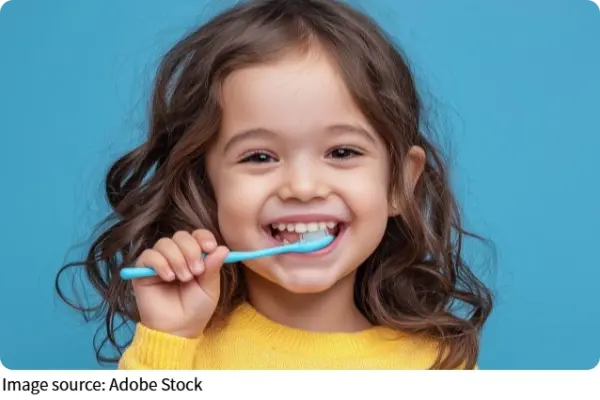
To maintain proper mouth and teeth health, Dr. Nigel Carter recommends a "two-by-two" approach: brushing for two minutes during each session, twice a day. The most critical times for this are immediately before bed and at another point in the day.
Toothbrushing in early childhood is a fundamental aspect of preventive health. By understanding tooth development, selecting appropriate tools, and applying correct techniques, the risk of dental caries can be significantly reduced. Consistent routines, balanced nutrition, and regular professional care further enhance these efforts.