Brain Processes Emotion?

Arvind Singh
| 01-05-2026
 · News team
Emotions shape perception, influence decision-making, and guide social interaction in complex and often subtle ways. Far from being abstract experiences, emotional responses are rooted in intricate neural systems that continuously interpret internal and external signals.
Modern neuroscience reveals that emotional processing is not confined to a single region but emerges from dynamic communication across multiple interconnected areas. Understanding how these systems function offers valuable insight into behavior, mental balance, and long-term cognitive health.
The Neural Architecture of Emotional Processing
Emotional activity arises from a network often referred to as the limbic system, though this term simplifies a far more complex structure. Key components include the amygdala, hippocampus, and prefrontal cortex, each contributing distinct roles. The amygdala rapidly evaluates stimuli for potential significance, particularly in situations involving threat or reward. This rapid assessment occurs even before conscious awareness, allowing immediate reactions.
The hippocampus provides contextual memory, helping differentiate whether a situation is familiar or new. This interaction ensures that emotional responses are shaped not only by the present moment but also by past experiences. Meanwhile, the prefrontal cortex regulates and interprets these signals, allowing thoughtful evaluation rather than impulsive reaction.

Emotional Signaling and Neurotransmitters
Chemical messengers play a critical role in emotional regulation. Neurotransmitters such as dopamine, serotonin, and norepinephrine influence mood, motivation, and alertness. Dopamine is associated with reward and reinforcement, shaping behaviors linked to pleasure and achievement. Serotonin contributes to emotional stability, while norepinephrine enhances alertness during heightened states.
Hormonal responses also contribute to emotional intensity. When the brain detects a challenge, stress hormones such as cortisol are released, preparing the body for action. While beneficial in short bursts, prolonged activation can disrupt emotional balance and impair cognitive clarity.
The Speed of Emotional Reactions
One of the most fascinating aspects of emotional processing lies in its speed. Sensory information can take a “short route” directly to the amygdala, allowing immediate reaction before detailed analysis occurs. This mechanism explains why sudden fear or excitement can arise without conscious reasoning.
A secondary, slower pathway involves the prefrontal cortex, which evaluates the situation more carefully. This dual-pathway system ensures both rapid protection and thoughtful interpretation. Effective emotional regulation depends on the balance between these two processes.
Memory and Emotional Intensity
Emotions significantly influence memory formation. Events associated with strong feelings tend to be remembered more vividly due to enhanced neural activity between the amygdala and hippocampus. This connection strengthens the encoding of emotionally significant experiences, making them easier to recall later.
However, this mechanism can also lead to heightened sensitivity. Repeated exposure to stressful or negative experiences may reinforce certain emotional patterns, shaping future responses even in neutral situations. Understanding this process is essential for managing long-term emotional health.
Regulation and Cognitive Control
Emotional regulation involves the ability to modify reactions based on context and goals. The prefrontal cortex plays a central role in this process by integrating logic with emotional input. Techniques such as cognitive reappraisal—rethinking a situation from a different perspective—have been shown to alter neural activity and reduce emotional intensity.
Mindfulness practices further enhance regulation by increasing awareness of emotional states without immediate reaction. This approach strengthens neural pathways associated with attention and control, leading to more balanced responses over time.
Social and Environmental Influences
Emotional processing does not occur in isolation. Social interactions, cultural norms, and environmental factors shape how emotions are expressed and interpreted. Mirror neuron systems allow individuals to recognize and respond to the emotional states of others, supporting empathy and communication.
Early experiences also play a significant role. Repeated patterns of interaction influence neural development, affecting how emotional signals are processed later in life. Positive environments tend to support adaptive regulation, while chronic stress can alter neural sensitivity.
Adaptation and Emotional Flexibility
Emotional systems are highly adaptable. Neural plasticity allows the brain to reorganize based on experience, meaning emotional patterns are not fixed. Positive habits, learning, and environmental changes can reshape responses over time. This adaptability is essential for resilience, enabling individuals to adjust to new challenges and recover from adversity.
Practices that encourage flexibility such as learning new skills, engaging in meaningful activities, and maintaining social connections—support this adaptive capacity. Over time, these actions strengthen pathways associated with stability and well-being.
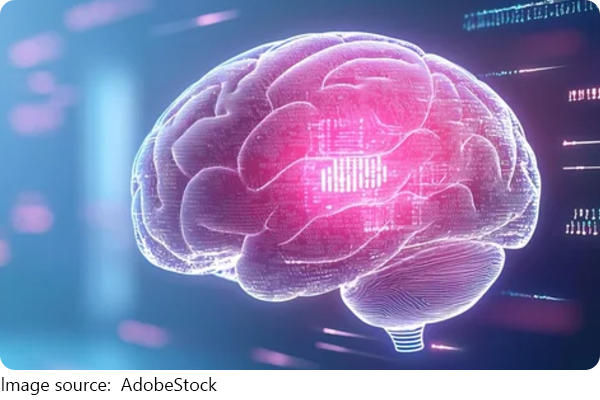
Dr. Lisa Feldman Barrett explains that emotions aren't pre-programmed reactions triggered by specific parts of the brain. Instead, she posits that your brain actively creates emotional experiences in real time by integrating various neural systems and drawing on a lifetime of personal history and learned associations.
Emotional processing is a complex and dynamic function rooted in interconnected neural systems. Rapid responses from the amygdala, contextual input from memory centers, and regulation by higher cognitive regions work together to shape emotional experience. Chemical messengers and environmental influences further refine these processes, creating a highly responsive and adaptable system.