Kids Vision Care Tips!

Caleb Ryan
| 01-05-2026
 · News team
Clear vision plays a critical role in a child’s learning, coordination, and overall development. From reading and writing to exploring the environment, healthy eyesight supports nearly every aspect of daily life.
Establishing strong habits early can significantly reduce the risk of discomfort, infections, and long-term vision challenges. By encouraging consistent routines, parents can help build a solid foundation for lasting visual well-being.
1. Prioritizing Clean Hands to Prevent Eye Irritation
Hand hygiene remains one of the simplest yet most effective ways to protect the eyes. Children frequently touch surfaces throughout the day, increasing exposure to bacteria and viruses that may transfer to the eyes. Encouraging regular handwashing with soap—especially after school, before meals, and after using shared spaces—helps minimize this risk.
Another important habit involves reducing unnecessary eye touching. Frequent rubbing can irritate delicate eye tissues and may worsen symptoms such as itchiness or redness. Persistent rubbing may also signal underlying issues like allergies or dryness, which should be evaluated by a professional. Teaching awareness around this behavior supports both comfort and long-term protection.
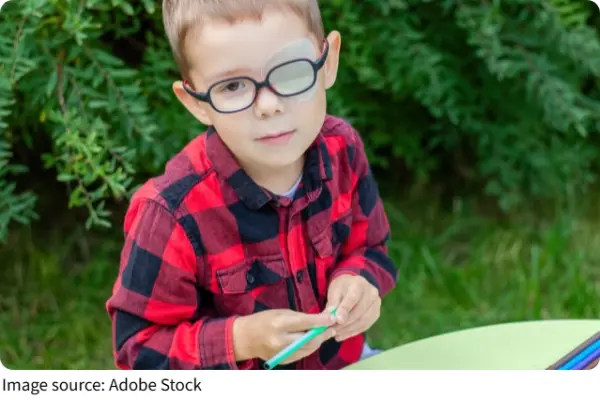
2. Building Vision Strength Through Colorful Nutrition
Nutrition plays a vital role in maintaining strong and healthy eyesight. A diet rich in vibrant fruits and vegetables provides essential nutrients that support visual function. Vitamins A, C, and E contribute to maintaining clear vision and protecting eye cells from oxidative stress.
Foods such as carrots, spinach, citrus fruits, and bell peppers contain compounds that help sustain eye health. Omega-3 nutrients found in fish and seeds also contribute to proper visual development. Encouraging a variety of colors on the plate not only supports overall health but also ensures a wide range of protective nutrients. Balanced eating habits established early can have lasting benefits well into later stages of life.
3. Protecting Eyes from Environmental Exposure
Children are naturally active, which increases exposure to environmental factors that may affect eye health. Sunlight, while beneficial in moderation, contains ultraviolet (UV) rays that can damage sensitive eye structures over time. Protective sunglasses with UV-blocking lenses provide an effective barrier during outdoor activities.
In addition to sunlight, physical play and sports can pose risks of accidental injury. Protective eyewear designed for active use can help reduce these risks. Creating awareness about eye safety during play encourages children to adopt protective habits without limiting their activity or enjoyment.
4. Managing Screen Use to Reduce Visual Strain
Digital devices have become an integral part of modern life, but excessive screen exposure can lead to eye strain and fatigue. Prolonged focus on screens reduces blinking frequency, which may cause dryness and discomfort. Encouraging structured screen habits can help maintain visual comfort.
One widely recommended strategy is the 20-20-20 rule: every 20 minutes, focus on an object approximately 20 feet away for at least 20 seconds. This simple technique allows the eyes to relax and refocus. Limiting total daily screen exposure also plays a key role in preventing strain. Creating designated screen-free periods supports both eye health and overall well-being.
5. Encouraging Outdoor Activities for Visual Development
Time spent outdoors offers significant benefits for visual health. Research indicates that regular exposure to natural light may reduce the likelihood of developing nearsightedness. Outdoor environments provide opportunities for the eyes to focus on distant objects, supporting balanced visual development.
Incorporating outdoor play into daily routines—whether through sports, walking, or free play—can help strengthen visual function. Approximately two hours of outdoor activity per day has been associated with positive outcomes. Combining this habit with appropriate sun protection ensures both safety and effectiveness.
6. Scheduling Routine Eye Examinations
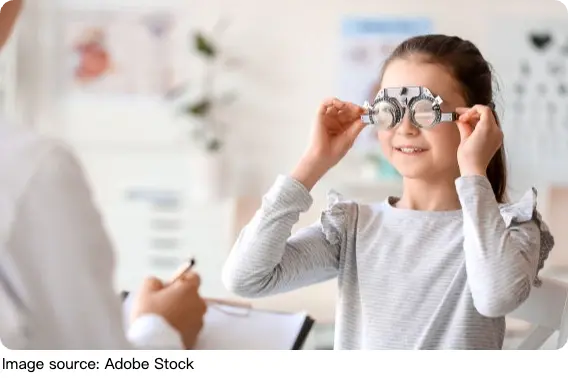
Regular eye examinations are essential for detecting potential vision issues early. Many conditions develop gradually and may not be immediately noticeable. Comprehensive evaluations help identify concerns that could affect learning, coordination, and daily activities.
Routine check-ups are particularly important for children who already use corrective lenses, as prescriptions may change over time. Early detection allows for timely intervention, helping maintain optimal visual performance. Establishing a schedule for eye examinations ensures consistent monitoring and long-term care.
Experts at Johns Hopkins Medicine emphasize that 90% of eye injuries in children are avoidable simply by ensuring they wear the correct protective gear. Their guidance urges parents to be proactive by providing appropriate eyewear to safeguard their child's vision.
Protecting a child’s eye health involves a combination of daily habits, environmental awareness, and preventive care. Clean hands, balanced nutrition, proper eye protection, controlled screen use, outdoor activity, and regular examinations work together to support strong vision. These practices not only reduce the risk of discomfort and infection but also promote healthy visual development.