Genetics & Immune System

Naveen Kumar
| 08-05-2026
 · News team
The human immune system operates as a sophisticated biological defense network designed to recognize harmful microorganisms, eliminate infected cells, and maintain internal stability. Behind this protective system lies an intricate genetic foundation that influences how immune responses develop and function.
Genetics determines far more than physical appearance or inherited traits. Specific genes regulate how immune cells communicate, identify threats, and respond to infections. Variations within these genes can strengthen protection against disease or increase susceptibility to chronic inflammatory conditions and autoimmune disorders.
The Genetic Blueprint of Immune Defense
Immune function depends heavily on instructions encoded within DNA. These instructions guide the production of proteins responsible for identifying invading microorganisms and coordinating defensive responses. Specialized immune cells rely on genetic signaling pathways to activate inflammation, generate antibodies, and destroy infected tissue.
Among the most important genetic regions involved in immunity is the Human Leukocyte Antigen (HLA) complex. HLA genes help immune cells distinguish between normal cellular activity and foreign threats. Variations within this genetic region strongly influence susceptibility to autoimmune disorders, infectious diseases, and inflammatory conditions.
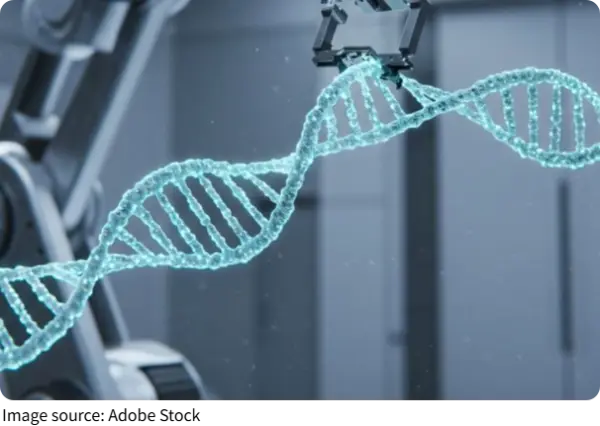
Certain HLA patterns have been associated with disorders such as type 1 diabetes, rheumatoid arthritis, and celiac disease. Researchers have also identified connections between HLA diversity and resistance to specific viral infections. Greater genetic variation in this system often improves the immune system’s ability to recognize a broader range of pathogens.
Inherited Variations and Disease Susceptibility
Not every immune response functions with equal efficiency. Small inherited genetic differences, known as polymorphisms, can significantly influence how the body reacts to bacteria, viruses, and environmental triggers. Some variations strengthen immune surveillance, while others increase vulnerability to excessive inflammation or impaired pathogen control.
Mutations affecting cytokine production provide a clear example. Cytokines are signaling molecules that regulate communication between immune cells. Certain inherited variants may lead to exaggerated inflammatory reactions, contributing to chronic immune dysregulation. Other mutations can reduce immune activation, making infections more difficult to control.
Another important area involves innate immunity, the body’s rapid first-line defense system. Genes controlling innate immune receptors influence how quickly pathogens are recognized. If these receptors function poorly due to inherited mutations, delayed immune activation may occur, increasing disease severity.
Autoimmunity and Genetic Influence
Autoimmune conditions emerge when immune defenses mistakenly attack healthy tissue instead of harmful invaders. Genetics plays a major role in this process. Scientists have identified numerous inherited markers associated with autoimmune disorders, including lupus, multiple sclerosis, psoriasis, and inflammatory intestinal conditions.
In many cases, autoimmune susceptibility develops through a combination of several genetic factors rather than one isolated mutation. These inherited traits may alter immune tolerance, causing defensive cells to misidentify normal tissue as dangerous.
Environmental triggers also contribute to autoimmune activity. Viral infections, chronic stress, nutritional deficiencies, and exposure to pollutants may activate immune dysfunction in genetically susceptible individuals. This interaction between genes and environmental influences explains why autoimmune disorders often appear unpredictably despite strong inherited patterns.
Epigenetics further complicates this relationship. Epigenetic modifications can influence gene activity without changing the DNA sequence itself. Inflammatory exposure, dietary habits, and stress-related hormones may alter how immune genes are expressed over time, affecting long-term immune stability.
Genetics and Vaccine Response
Genetic variation also affects how effectively vaccines stimulate protection. Some individuals produce stronger antibody responses than others due to inherited immune characteristics. Researchers studying vaccine immunology have discovered that specific genetic markers influence immune memory formation, inflammatory signaling, and antibody production.
This field, known as vaccinomics, explores how genetic information may improve vaccine design and effectiveness. Personalized vaccination strategies could eventually help healthcare professionals determine which formulations or dosing schedules produce the strongest immune response for different populations.
Precision Medicine and Future Research
The integration of genetics into immunology has accelerated the development of precision medicine. Instead of relying solely on generalized treatment approaches, researchers now examine genetic profiles to predict disease susceptibility and therapeutic response.
Targeted immunotherapies represent one of the most promising developments in this field. Certain therapies are designed to block specific inflammatory pathways linked to inherited immune dysfunction. Genetic analysis can help identify which patients may benefit most from these treatments.
Rapid advances in genomic sequencing technology have also improved understanding of rare immune disorders caused by single-gene mutations. Early identification of these conditions may support faster diagnosis and more accurate treatment planning.
Artificial intelligence is increasingly being used to analyze large genomic datasets, helping researchers identify complex patterns within immune-related genes. This technology may eventually improve prediction models for autoimmune risk, infectious disease susceptibility, and therapeutic outcomes.
According to Dr. Massimo Mangino, a lead researcher at King’s College London, there is a distinct split in how our immune system is shaped. His team’s genetic analysis found that the adaptive immune response—the body's more sophisticated and targeted defense mechanism—is more heavily influenced by our DNA than previously recognized.
Meanwhile, the innate immune response, which provides general and immediate protection, is primarily driven by external environmental factors rather than genetic inheritance.
Genetics forms the biological foundation of the immune system, shaping how the body recognizes threats, regulates inflammation, and responds to infection. The growing understanding of genetics and immunity offers valuable insight into human health while opening new possibilities for more effective medical treatment in the future.