Stronger Health With Milk!

Amina Hassan
| 08-05-2026
 · News team
Nutrition plays a central role in maintaining a strong immune system. Every day, the body depends on vitamins, minerals, and proteins to defend against harmful microorganisms, regulate inflammation, and support recovery after illness.
While many foods contribute to these functions, milk remains one of the most nutrient-rich options commonly found in households worldwide. Milk is often associated with calcium and growth, yet its contribution to immune health is equally important.
A single serving contains a combination of high-quality protein, and trace minerals that participate directly in immune regulation. Unlike heavily processed beverages that provide limited nutritional value, milk delivers multiple essential nutrients in a balanced form with relatively moderate calorie content.
Vitamin A and the Body’s Protective Barrier
Vitamin A is one of the most important nutrients involved in immune defense. Its primary role is maintaining the integrity of tissues that act as protective barriers throughout the body. These tissues help prevent harmful microorganisms from entering sensitive internal systems.
Milk naturally provides vitamin A, which contributes to the formation and maintenance of healthy epithelial surfaces. This nutrient also supports the activity of white blood cells responsible for identifying and responding to invading pathogens. Without sufficient vitamin A intake, the body may struggle to maintain effective immune surveillance.

According to the National Institutes of Health, vitamin A is essential for normal immune function because it regulates both innate and adaptive immune responses. Deficiency has been associated with increased vulnerability to infections, particularly those affecting respiratory pathways and digestion. The inclusion of vitamin A in milk makes it a practical dietary source for maintaining daily nutritional balance without relying entirely on supplements.
Vitamin D and Immune Regulation
Vitamin D has received growing scientific attention due to its extensive involvement in immune activity. Nearly every major immune cell contains vitamin D receptors, demonstrating how closely this nutrient interacts with defensive processes throughout the body. Milk fortified with vitamin D helps support this function by contributing to daily intake requirements.
According to Dr. Anthony Fauci, former director of the National Institute of Allergy and Infectious Diseases (NIAID), maintaining adequate levels of vitamin D is essential for a robust immune system. He notes that a deficiency in this specific vitamin can directly increase a person's vulnerability to contracting various infections.
Consistent dietary intake of vitamin D through foods such as milk may therefore contribute to more stable immune performance, especially in populations with limited sunlight exposure.
Protein and the Production of Immune Defenses
Protein is frequently discussed in relation to muscle maintenance, but its importance extends far beyond physical strength. Immune cells rely heavily on amino acids to create antibodies, signaling molecules, and specialized defense proteins.
Milk contains complete protein, meaning it provides all essential amino acids required for critical biological functions. Casein and whey proteins found in milk are particularly valuable because they are highly digestible and biologically efficient. Antibodies produced by the immune system depend on these amino acid building blocks to recognize and neutralize harmful microorganisms. Inadequate protein intake may reduce the body’s ability to respond effectively during periods of stress or illness.
Whey protein also contains bioactive compounds such as lactoferrin and immunoglobulins, which have been studied for their antimicrobial and immune-supportive properties. These naturally occurring compounds add another layer of nutritional value beyond basic protein content.
Selenium and Zinc as Immune Support Nutrients
Trace minerals may only be needed in small amounts, but their influence on immune health is substantial. Milk provides selenium and zinc, two minerals closely linked to immune regulation and inflammatory control. Selenium functions as an antioxidant by helping protect cells from oxidative stress. It supports the activity of enzymes involved in immune signaling and inflammatory balance.
Zinc plays an equally critical role. This mineral contributes to immune cell development, tissue repair, and communication between defensive pathways. Zinc deficiency has long been associated with weakened resistance to infection and delayed recovery. Because milk naturally contains both selenium and zinc, regular consumption may help maintain nutritional consistency without requiring highly restrictive dietary planning.
Fermented Dairy and Digestive Balance
Immune health is strongly connected to digestive wellness. Scientists estimate that a significant portion of immune activity is linked to the intestinal environment, where beneficial microorganisms interact with immune cells continuously. Fermented dairy products such as yogurt and kefir provide probiotics that help support microbial balance inside the digestive system. These beneficial bacteria may assist in maintaining intestinal integrity while reducing inflammatory stress.
Kefir, in particular, has attracted scientific interest because it contains a diverse range of probiotic cultures. Several studies suggest that fermented dairy products may contribute to healthier immune communication through their influence on gut microbiota composition.
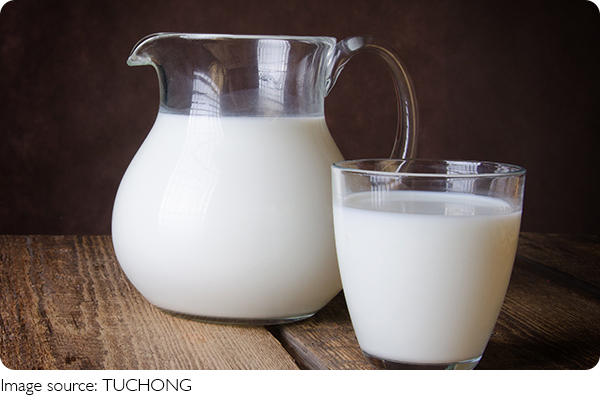
Milk remains one of the most practical and nutritionally complete foods for supporting immune health. Its combination of vitamin A, vitamin D, complete protein, selenium, and zinc provides multiple layers of biological support that contribute to immune regulation, cellular defense, and recovery processes.
Fermented dairy products further enhance these benefits by promoting digestive balance linked closely to immune resilience. As nutritional science continues exploring the relationship between food and immune function, milk continues to stand out as a reliable source of essential nutrients supported by decades of research.