Insects: Human Disease!

Caleb Ryan
| 08-05-2026
 · News team
Insects are often recognized as carriers of infectious diseases, yet the microscopic life forms living inside these creatures are equally important in shaping global health outcomes. Mosquitoes, ticks, fleas, sand flies, and other insects contain highly complex microbial communities composed of bacteria, fungi, viruses, and protozoa.
Certain microbes strengthen the ability of insects to spread dangerous infections, while others interfere with pathogen development and help block transmission. This relationship between insects and microorganisms has become one of the most significant research areas in infectious disease biology, offering promising strategies for disease prevention and vector control.
The Insect Microbiome and Disease Transmission
Every insect carries a unique microbiome, which refers to the collection of microorganisms living within and on its body. These microbial populations inhabit digestive tissues, salivary glands, reproductive systems, and external surfaces. Environmental conditions, diet, climate, and insect species all influence microbiome composition.
The insect microbiome plays a major role in determining whether pathogens can survive and multiply inside the insect host. Some bacteria create unfavorable conditions that suppress dangerous microorganisms, while others support pathogen growth by altering immune responses or metabolic activity.

Mosquitoes provide one of the most studied examples. Inside mosquito digestive systems, microbial communities directly affect the development of parasites responsible for malaria transmission. Certain bacterial species stimulate immune pathways that reduce parasite survival, limiting the mosquito’s ability to spread infection.
Wolbachia: A Bacterium Changing Disease Control
One of the most important discoveries in vector biology involves Wolbachia, a naturally occurring bacterium found in many insect species. Wolbachia has gained global attention because of its ability to reduce transmission of dangerous viral diseases carried by mosquitoes.
When introduced into Aedes mosquitoes, Wolbachia interferes with the replication of viruses responsible for dengue fever, Zika virus, chikungunya, and yellow fever. Researchers believe the bacterium competes with viruses for cellular resources while also stimulating insect immune defenses that limit viral survival.
This biological strategy differs significantly from traditional insecticide-based mosquito control. Instead of attempting to eliminate insect populations entirely, scientists modify mosquito microbiomes to reduce disease transmission capacity. Several field programs using Wolbachia-infected mosquitoes have demonstrated substantial reductions in dengue transmission rates.
Gut Microbes and Pathogen Survival
Microorganisms inside insects strongly influence pathogen survival within digestive systems. In many vector species, harmful pathogens must survive harsh internal environments before transmission can occur. Gut microbes can either block or support this process.
Ticks, for example, carry microbial communities that affect the survival of Borrelia burgdorferi, the bacterium associated with Lyme disease. Certain microbial interactions influence pathogen colonization and immune evasion mechanisms inside the tick.
Similarly, sand flies transmit parasites responsible for leishmaniasis, a disease affecting skin and internal tissues. Research suggests that microbial composition inside sand flies affects parasite development and transmission efficiency. Changes in microbial balance may therefore alter disease risk within affected regions.
Climate Change and Microbial Shifts
Environmental change adds another layer of complexity to insect-microbe interactions. Temperature, humidity, rainfall patterns, and habitat disruption can alter insect microbiomes and influence disease transmission patterns. Warmer temperatures may accelerate microbial growth rates inside mosquitoes, potentially affecting viral replication and transmission efficiency. Climate-driven expansion of insect populations into new geographic areas may also introduce unfamiliar microbial combinations into ecosystems.
Urbanization further contributes to microbiome changes by altering insect breeding environments. Polluted water sources, artificial habitats, and reduced biodiversity can shift microbial populations within vector species, potentially affecting pathogen dynamics. Scientists increasingly recognize that disease outbreaks cannot be explained solely through insect population size.
Microbial Resistance and Emerging Challenges
Although microbiome-based disease control strategies show promise, several challenges remain. Pathogens evolve rapidly and may eventually adapt to microbial barriers designed to suppress them. Insect populations may also experience microbiome changes over time due to environmental pressures or genetic variation.
Antibiotic exposure presents an additional complication. Environmental contamination from antibiotics may alter insect microbiomes and affect natural microbial balance. Such changes could influence disease transmission patterns in unpredictable ways. Continued research is therefore essential to understand how microbial communities evolve within insect populations and how these changes affect human disease risk.
The Future of Vector Biology
Modern vector biology increasingly focuses on microbiome science as a powerful tool for disease prevention. Advances in genomic sequencing, microbial engineering, and artificial intelligence are helping researchers identify specific microbial interactions linked to disease transmission.
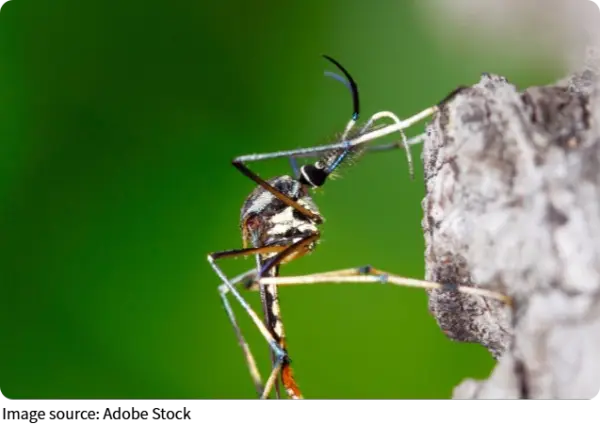
As experts Serap Aksoy and Brian Weiss from the Yale School of Public Health have noted, the microbiota within insects like tsetse flies and mosquitoes plays a pivotal role in human disease transmission.
They explain that these internal microorganisms can limit an insect's ability to spread pathogens through two primary methods: by directly attacking parasites with secreted toxins and enzymes, or by stimulating the insect’s own immune system to recognize and eliminate the threat.
Microorganisms living inside insects play a critical role in shaping the transmission of human diseases. Environmental changes, microbial evolution, and ecosystem dynamics continue influencing these complex relationships, making microbiome research increasingly important in global health science.