Why Twins Look Different?

Santosh Jha
| 09-05-2026
 · News team
Identical twins are often viewed as two individuals with perfectly matching characteristics. Since both originate from the same fertilized egg, identical genetic material creates the impression that every trait should remain the same throughout life. However, scientific observation reveals a far more complex reality.
Despite sharing nearly identical DNA, many twins gradually develop noticeable differences in appearance, personality, behavior, health patterns, intelligence, preferences, and even emotional responses.
Epigenetics Creates Different Biological Activity
One of the most important explanations involves epigenetics, a scientific field studying how genes can be activated or silenced without altering the DNA sequence itself. Identical twins possess nearly matching genetic codes, yet their genes do not always function in exactly the same manner.
Chemical markers surrounding DNA may change because of stress, nutrition, physical activity, sleep quality, pollution exposure, or emotional experiences. These markers influence how strongly certain genes operate. As a result, one twin may develop different physical traits, metabolism patterns, or disease susceptibility even though the underlying DNA remains highly similar.

Different Experiences Shape Personality
Although twins may grow within the same household, experiences are never completely identical. Teachers, friendships, hobbies, injuries, social interactions, and emotional memories differ from person to person. These experiences strongly influence psychological development.
One twin may become more outgoing because of positive social reinforcement, while the other develops a quieter personality after different emotional experiences. Distinct reactions to stress, competition, praise, or disappointment can gradually shape unique behavioral patterns.
Neuroscience studies suggest that repeated experiences strengthen certain neural pathways. Because daily interactions vary between twins, mental processing and emotional habits may also diverge over time. Even small differences during childhood can create long-term effects on communication style, confidence, creativity, and decision-making.
Birth order among twins may also contribute to variation. The first-born twin sometimes receives slightly different early stimulation compared with the second-born sibling. Although subtle, these distinctions may influence social dynamics during development.
Environmental Exposure Alters Physical Characteristics
Environmental conditions play a major role in shaping external appearance. Sunlight exposure, climate, dietary habits, physical movement, and pollution affect skin quality, body composition, and aging patterns. For example, one twin working outdoors for many years may develop deeper wrinkles and darker skin pigmentation compared with a sibling employed in indoor environments. Differences in nutrition can also influence weight regulation, muscle tone, and energy metabolism.
Scientific reports have documented twins separated at an early age who later displayed remarkable contrasts in speech patterns, habits, and physical condition because of differing lifestyles. These findings emphasize how strongly surroundings can shape human development despite shared genetics.
Even microorganisms living within the digestive system differ between twins over time. These microbial communities influence immunity, energy extraction from food, and inflammatory responses, contributing to additional biological variation.
Random Cellular Changes Influence Development
Human development is not perfectly controlled. During cell division, random biological events continuously occur inside the body. Small copying errors, spontaneous mutations, or uneven cellular activity can create differences between identical twins. Although these changes are usually harmless, they may influence physical traits or disease susceptibility. Scientists refer to this phenomenon as somatic mutation, where certain cells acquire minor genetic alterations after conception.
This process helps explain why one twin may develop a medical condition while the other remains unaffected. It also contributes to variations in fingerprints. Despite matching DNA, identical twins never possess completely identical fingerprints because tiny developmental fluctuations occur before birth.
Lifestyle Choices Increase Differences Over Time
As twins grow older, personal habits become increasingly important. Exercise patterns, sleep routines, stress management, and nutrition influence long-term appearance and health. One twin may prioritize physical fitness and balanced nutrition, while the other experiences chronic stress or poor sleeping habits. Over decades, these lifestyle differences can dramatically affect skin elasticity, energy levels, cardiovascular function, and cognitive performance.
Psychological habits also contribute to divergence. Continuous exposure to anxiety, social pressure, or emotional tension may influence hormonal activity and aging processes. Positive routines, meanwhile, often support stronger mental resilience and healthier physical condition.
Professor Junko Kanoh, a molecular biology expert at the University of Tokyo, explains that biological variations are rooted in both the specific arrangements of DNA sequences and the structural configuration of how that DNA is packaged.
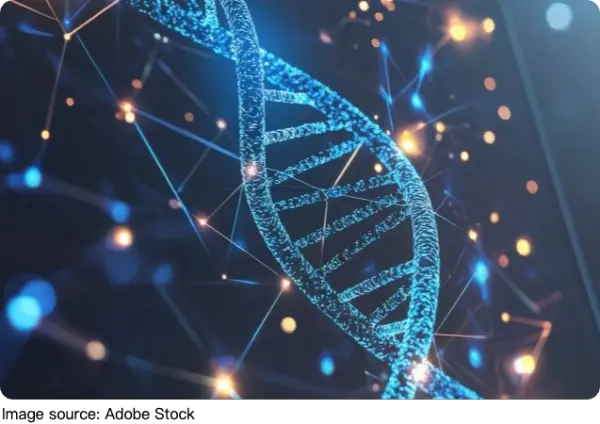
Identical twins share remarkably similar genetic foundations, yet human development extends far beyond DNA alone. Epigenetic modifications, environmental exposure, emotional experiences, random cellular activity, and lifestyle habits continuously shape physical and psychological characteristics throughout life.
Even among genetically matching twins, no two lives unfold in exactly the same manner. These subtle differences highlight the extraordinary adaptability of human development and reveal why identical twins become unique individuals despite sharing the same genetic beginning.