Autism Genetics Explained

Raghu Yadav
| 09-07-2026
 · News team
Autism spectrum disorder is one of the most extensively studied developmental conditions in modern medical science.
Researchers have made significant progress in understanding its biological foundations, although many aspects of its development remain complex and continue to require further investigation.
The study of autism genetics has revealed a complex relationship between inherited traits, genetic variations, and early developmental processes. Rather than resulting from a single cause, autism appears to develop through the interaction of multiple biological factors that influence how the nervous system grows, organizes, and functions.
Understanding the Genetic Foundation of Autism
Genetic research has consistently shown that autism has a strong hereditary component. Studies involving twins and families demonstrate that autism-related traits can occur across generations. When one identical twin has autism, the likelihood of the other twin also having autism is generally higher compared with non-identical twins, providing evidence that genetic factors contribute significantly to autism development.
“Scientists believe there are multiple causes of ASD that act together to change the most common ways people develop.” — Centers for Disease Control and Prevention.
Researchers have identified many genetic variations associated with autism-related characteristics. These genes are involved in important biological processes, including communication between nerve cells, early brain development, sensory processing, and learning pathways. However, autism is not linked to one specific gene. Instead, many genetic differences may combine in complex ways to influence developmental outcomes.
Rare Mutations and Genetic Variations
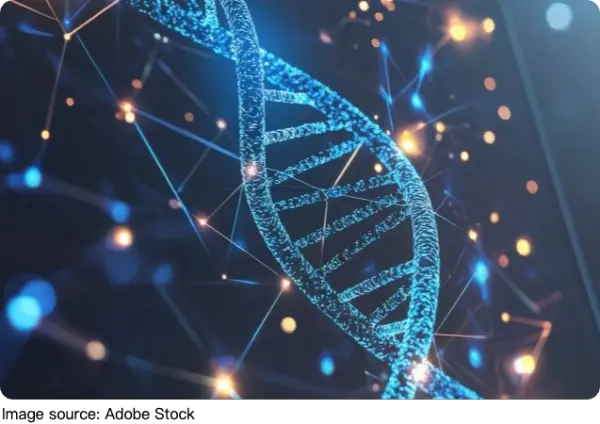
A significant area of autism research focuses on spontaneous genetic changes known as de novo mutations. These genetic variations can occur naturally during early development and may appear even when there is no previous family history of autism.
Some individuals with autism have rare genetic changes that influence genes involved in brain development, nerve cell communication, and the formation of neural connections. These changes may affect how the brain develops and processes information.
However, genetic variations do not always directly determine whether autism will occur. Many genetic factors influence susceptibility rather than guarantee a specific developmental outcome. This helps explain why individuals with similar genetic characteristics may experience different patterns of development.
Advances in genetic sequencing technologies have allowed researchers to discover increasingly detailed relationships between genetic variations and autism-related traits. However, the large number of possible genetic combinations makes prediction highly complex.
Why Autism Characteristics Differ Between Individuals
One of the important challenges in autism research is understanding why characteristics vary widely among individuals. Some people may experience differences in communication and social interaction, while others may demonstrate strengths in areas such as memory, learning, creativity, or problem-solving.
Genetic diversity contributes to this variation. Different genetic influences may affect language development, sensory processing, attention, and behavioral patterns in different ways. Additional developmental factors may also influence how genetic characteristics are expressed.
The Role of Early Brain Development
Genetic activity during pregnancy and early childhood plays an important role in organizing brain development. During these stages, genes help guide the formation and adjustment of communication networks within the nervous system.
Some autism-associated genes are active during important periods of brain growth. These genes contribute to processes involved in nerve cell communication, developmental regulation, and sensory integration.
Researchers continue to examine how genetic factors interact with early developmental conditions. Current scientific understanding indicates that autism is influenced by biological processes rather than parenting style, personal behavior, or family relationships.
Advances in Genetic Research
Modern genetic technologies have greatly expanded knowledge of autism development. Large-scale studies analyze genetic information from many individuals to identify patterns related to brain development and autism characteristics.
Advanced genetic analysis methods allow researchers to study complex relationships between genes and the nervous system in greater detail. These discoveries may support earlier identification of developmental differences and contribute to more personalized approaches for support.
Future research may provide deeper insights into how different genetic pathways influence development and how individualized strategies can better address diverse needs.
The study of autism genetics demonstrates the complexity of human development and brain organization. Research continues to reveal how inherited traits, genetic variations, and early developmental processes interact to influence autism-related characteristics. As scientific knowledge continues to advance, genetic research may provide a clearer understanding of individual differences and support more personalized approaches for development and care.