Fresh Breath All Day Long

Amit Sharma
| 25-05-2026
 · News team
Good day, Lykkers! Breath freshness is closely connected to daily hygiene practices and overall lifestyle habits.
Food residue, reduced moisture levels in the mouth, and bacterial buildup can influence breath quality over time. Maintaining consistent routines that support cleanliness, hydration, and balanced habits can help keep your breath feeling fresh while also contributing to overall well-being.
What Affects Breath Freshness
Breath quality is influenced by naturally occurring bacteria in the mouth. When food particles remain after eating, bacteria break them down and may produce compounds that affect odor. The tongue also plays an important role, as its surface can retain bacteria and residue if not cleaned regularly.
Additional factors that may contribute to changes in breath freshness include inadequate hydration, inconsistent hygiene practices, and diets that contain strongly aromatic or highly processed foods. Recognizing these factors can help support more effective daily care.
Structured Brushing for Daily Cleanliness
Consistent brushing is one of the most important practices for maintaining breath freshness and reducing unwanted buildup. Helpful practices include:
- Brush teeth at least twice daily and after meals when appropriate
- Use gentle, controlled motions to clean tooth surfaces and along the gumline
- Clean the tongue regularly to help reduce bacterial accumulation
- Replace toothbrushes every three to four months, or sooner if bristles become worn
These practices help support a cleaner environment in the mouth and reduce factors associated with unpleasant breath.
Cleaning Between Teeth
Spaces between teeth can trap food particles that brushing alone may not remove effectively. Floss or interdental cleaning tools help remove hidden debris and support more complete hygiene practices. Including this step as part of a daily routine can improve cleanliness in areas often missed during brushing.
Mouth Rinses and Additional Support
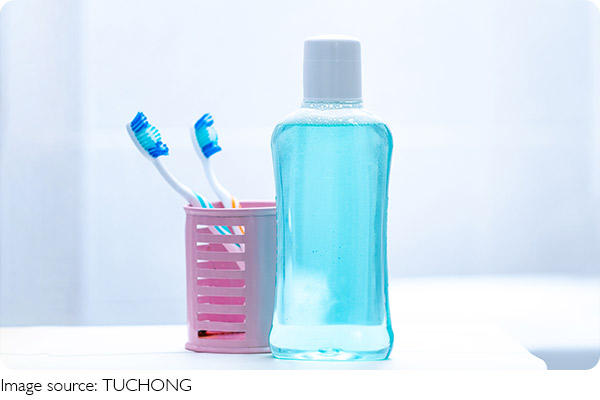
Mouth rinses may complement brushing and flossing routines by helping clean areas that are difficult to reach directly. Some products may help reduce bacterial buildup while providing a fresher feeling after use. Breath-freshening products, such as sprays or mints, may provide temporary support, although they should not replace regular cleaning practices.
Hydration and Natural Moisture Balance
Adequate hydration supports the mouth's natural cleansing processes. Saliva helps wash away food particles and contributes to maintaining a balanced environment. Reduced moisture levels can contribute to dryness, which may affect breath quality. Drinking water regularly throughout the day remains one of the most effective ways to support healthy moisture balance.
Food Choices and Their Influence
Daily dietary habits can also affect breath freshness. Balanced meals that include fresh produce and minimally processed foods may help support a healthier environment in the mouth. Foods with strong odors, such as garlic and onions, may temporarily influence breath quality. Maintaining dietary variety and moderation can support overall wellness.
Professional Checkups and Preventive Care
Regular dental examinations help identify changes that may influence breath quality. Professional cleanings can remove plaque and buildup that daily routines may not fully address. Early attention to developing concerns can help support long-term health and cleanliness.
Common Habits That May Affect Breath Quality
Certain everyday habits may contribute to changes in breath freshness:
- Inconsistent hygiene routines
- Inadequate hydration
- Skipping cleaning between teeth
- Delaying routine dental evaluations
Simple Daily Routine for Breath Support
Maintaining a structured routine can help support consistent freshness:
- Brush teeth thoroughly at least twice daily
- Clean the tongue regularly
- Use floss or interdental cleaning tools daily
- Maintain regular hydration
- Use mouth rinses as supportive care when needed
"Good personal hygiene means keeping your body clean and looking after your health through daily habits." — Healthdirect Australia, Personal Hygiene.

Maintaining fresh breath requires more than occasional cleaning habits. Consistent hygiene practices, regular hydration, balanced food choices, and preventive care all contribute to a healthier environment in the mouth. Daily practices such as brushing, cleaning between teeth, and tongue care help reduce factors associated with unpleasant breath while supporting long-term well-being. Small, consistent habits can create lasting benefits, helping maintain freshness, comfort, and confidence throughout the day.