Active Play for Growth

Santosh Jha
| 13-07-2026
 · News team
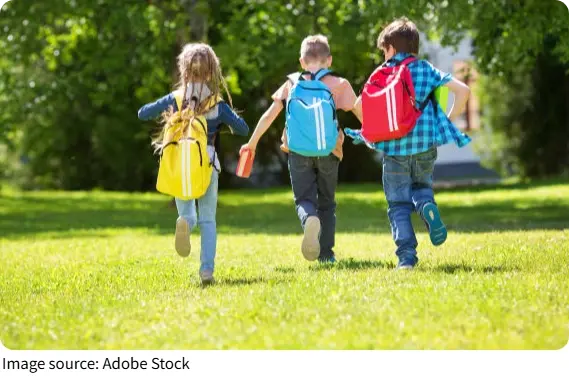
Active play is far more than a casual pastime; it is an essential part of healthy child development that supports cognitive, social, emotional, and physical growth.
Whether children are climbing playground structures, participating in group games, or exploring imaginative activities, movement-based play encourages learning through experience and interaction. These everyday activities help build important skills that contribute to lifelong learning and overall well-being.
Cognitive Expansion Through Movement-Based Exploration
Active play engages multiple areas of the developing brain, particularly those involved in problem-solving, decision-making, and attention. Games that involve rules, coordination, and strategy encourage flexible thinking, pattern recognition, and adaptability. Activities such as obstacle courses, relay games, and imaginative play require children to plan, make quick decisions, and respond to changing situations.
Repeated participation in these activities strengthens memory, improves information processing, and encourages persistence when facing new challenges. Learning through movement allows children to develop cognitive skills naturally through exploration, practice, and creative thinking.
Social Interaction and Cooperative Skill Development
Group play provides valuable opportunities for children to practice communication, cooperation, and teamwork. Activities that involve sharing, taking turns, assigning roles, and working toward common goals help children understand different perspectives while strengthening their ability to interact positively with others.
As children participate in shared activities, they naturally develop empathy, improve communication, and become more aware of social cues, including tone of voice and body language. Working through everyday disagreements during play also encourages cooperation and practical problem-solving skills that support positive relationships in many aspects of life.
As Fred Rogers wrote, “Play is often talked about as if it were a relief from serious learning. But for children, play is serious learning.” This perspective reflects how active play encourages children to build communication skills, strengthen relationships, and develop important abilities through meaningful experiences.
Emotional Development and Resilience
Active play provides children with regular opportunities to experience achievement, overcome challenges, and build confidence. Through participation in physical and imaginative activities, children gradually develop greater emotional awareness and learn to respond constructively to different situations.
The changing nature of play encourages adaptability, persistence, and self-confidence. Expressing emotions through movement and interaction also supports healthy emotional development while promoting a balanced approach to new experiences and everyday challenges.
Physical Coordination and Sensory Development
Movement-based activities strengthen balance, coordination, spatial awareness, and motor skills. Running, jumping, throwing, catching, and climbing require children to coordinate their movements while responding to their surroundings.
As children practice these skills, they improve body awareness and strengthen the connection between perception and movement. Regular participation in active play supports smoother, more efficient physical movement and contributes to overall physical development.
Creating Environments That Encourage Active Play
Supportive environments play an important role in encouraging meaningful play experiences. Safe, accessible, and engaging spaces allow children to explore different forms of movement, creativity, and social interaction with confidence.
Open play areas, age-appropriate equipment, and flexible activity spaces encourage curiosity, cooperation, and independent exploration. Exposure to a variety of play environments also helps children develop adaptability while interacting with different activities and peers.
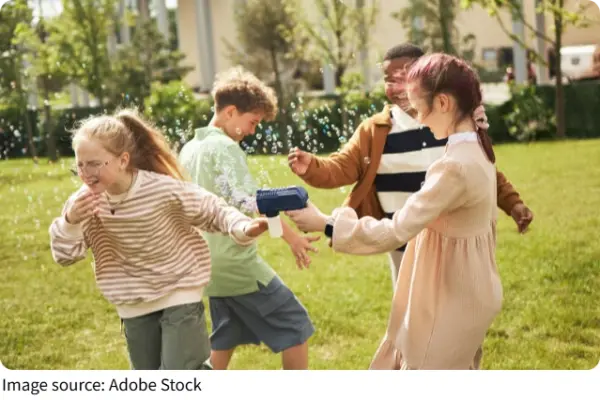
Active play remains a fundamental part of healthy childhood development, supporting growth across cognitive, social, emotional, and physical domains. Through movement, creativity, and meaningful interaction, children develop essential skills that contribute to lifelong learning, effective communication, confidence, and overall well-being. Providing regular opportunities for active play in safe and engaging environments helps lay a strong foundation for balanced development and future success.