Choosing Glasses for Kids

Finnegan Flynn
| 03-06-2026
 · News team
Welcome, Lykkers! Selecting glasses for a child involves much more than choosing a colorful frame. During childhood, the visual system is still developing, making properly fitted eyewear an important part of learning, play, and daily activities.
A poorly chosen pair can lead to discomfort, frequent adjustments, and reluctance to wear glasses, while the right choice can support clear vision and confidence. Understanding how lenses, frame design, fit, and professional recommendations work together helps families make informed decisions that benefit a child's long-term visual health.
Why Children Need Glasses
Children may require glasses for several specific reasons, including nearsightedness (myopia), farsightedness (hyperopia), astigmatism, or differences in prescription strength between the two eyes. Pediatric eye specialists emphasize that glasses are not only used to sharpen vision.
In some cases, they also help support proper eye alignment, improve the performance of a weaker eye, or protect vision when one eye functions better than the other. Early correction can be especially important because visual development continues throughout childhood.
Signs that may indicate a child needs vision correction include squinting, holding books very close, sitting unusually near screens, frequent eye rubbing, headaches after reading, or difficulty concentrating during schoolwork. These behaviors should not be dismissed as simple habits, as they may signal an underlying vision issue.
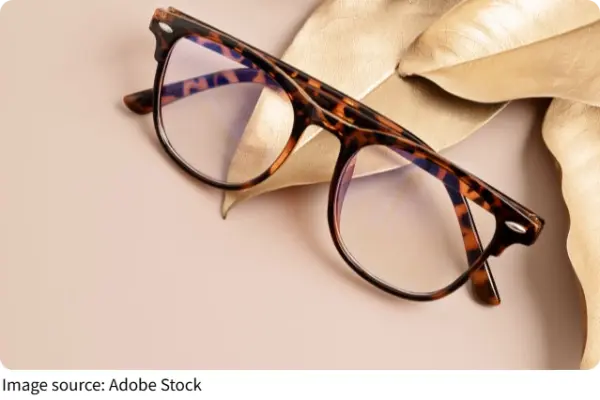
Prioritize a Professional Eye Examination
Before selecting frames, obtaining an accurate prescription is essential. A comprehensive eye examination provides detailed information about refractive errors and helps determine the most suitable type of correction. Children often adapt to blurry vision without realizing it is abnormal, which is why regular vision assessments are important even when no complaints are expressed.
Choosing Safe and Durable Lenses
Lens material is one of the most important considerations for children's glasses. Polycarbonate lenses are widely recommended because they are lightweight, impact-resistant, and provide built-in ultraviolet protection. Their durability makes them especially suitable for active children who participate in sports, outdoor games, and playground activities.
Anti-scratch coatings can further improve longevity, helping lenses maintain clear vision despite frequent handling. For children who spend considerable time outdoors, ultraviolet protection remains an important feature because it reduces exposure to harmful sunlight.
Selecting Frames That Truly Fit
Frame appearance often attracts attention first, but proper fit should take priority. Glasses that slide down the nose or press against the cheeks can quickly become uncomfortable. When discomfort develops, consistent wear becomes less likely.
A well-fitted frame should position the eyes near the center of each lens. The frame should not touch the cheeks during smiling, and eyelashes should not brush against the lenses. Flexible hinges can be particularly useful because they withstand daily bending and movement more effectively than rigid designs.
Lightweight materials are generally preferred for younger children because they reduce pressure on the face and improve comfort during extended wear. Adjustable nose pads and secure temple arms can also help keep glasses properly aligned throughout the day.
Matching Glasses to a Child's Lifestyle
Not all children use glasses in the same way. A child who enjoys outdoor activities may benefit from highly durable frames and sports-friendly designs. Another child who spends significant time reading may require lenses optimized for classroom and homework tasks.
School-age children often wear glasses for many hours each day, making comfort a critical factor. Frames that feel pleasant during a brief fitting session may reveal pressure points after extended use. Therefore, checking comfort during movement, reading, and head turning is worthwhile before making a final decision. Involving children in frame selection can also improve acceptance. When youngsters feel a sense of ownership over their glasses, they are often more motivated to wear them consistently.
Avoid Common Mistakes
Several mistakes frequently reduce the effectiveness of children's eyewear. Choosing oversized frames may seem fashionable, but large lenses can affect optical performance and stability. Purchasing glasses based solely on appearance can also result in poor fit and reduced comfort.
Another common error is delaying replacement when prescriptions change. Children's visual needs can evolve as they grow, making periodic follow-up appointments important. Glasses should be reassessed whenever vision complaints, academic difficulties, or noticeable behavioral changes emerge.
Dr. David Coats, a pediatric ophthalmologist and former spokesperson for the American Academy of Ophthalmology, emphasizes that good vision is essential for a child’s overall development and that identifying and correcting visual problems early in life is crucial.
Choosing glasses for children requires careful attention to prescription accuracy, lens safety, frame fit, and everyday practicality. The most successful pair balances comfort, durability, and visual performance rather than focusing only on appearance. As vision plays a central role in learning, exploration, and confidence, thoughtful eyewear selection can make a meaningful difference in a child's daily experiences and future success.