Sitting Less, Moving More

Ethan Sullivan
| 03-06-2026
 · News team
Good Day, Lykkers! Consider how much of a typical day unfolds in a seated position—during work sessions, commuting, meals, and evening relaxation. This repeated pattern may appear harmless, yet modern health research increasingly associates long uninterrupted sitting with reduced metabolic activity, muscular stiffness, and gradual decline in physical efficiency.
The human body is designed for regular movement cycles, not extended stillness. When sitting becomes the default posture for most waking hours, multiple systems adapt in ways that may reduce mobility and long-term resilience. Understanding this pattern is the first step toward rebuilding healthier daily movement habits.
Why Extended Sitting Changes the Body’s Natural Rhythm?
Prolonged sitting reduces engagement of large muscle groups, particularly those responsible for supporting posture and stabilizing the lower body. Over time, this inactivity can contribute to tightness in hip flexor regions, reduced spinal mobility, and weakened activation patterns in the back muscles. Blood circulation also becomes slower during extended stillness, which may affect overall energy levels and physical responsiveness.

Dynamic Lunge and Rotation for Hip and Spine Activation
A combined lunge-and-rotation movement introduces both lower-body stretch and upper-body mobility in a single sequence. The forward lunge position opens space in the hip region of the rear leg while encouraging activation in stabilizing muscles of the front leg. Adding a controlled upper-body rotation helps restore natural movement in the mid-spine area, which often becomes restricted after long sitting periods.
When performed with a long stride and stable alignment, this movement supports coordination between lower and upper body segments. Repetition on both sides enhances symmetry in movement patterns and reduces stiffness associated with prolonged seated posture.
Hip Hinge Holds to Reinforce Posterior Chain Strength
The hip hinge pattern trains the body to bend from the hip joints rather than rounding through the spine. Standing with a neutral alignment and shifting the torso forward while maintaining spinal stability activates muscles along the back of the body.
Holding this position for short intervals builds endurance in postural muscles and improves awareness of alignment. Over time, this movement supports better lifting mechanics and reduces strain caused by habitual slouching during seated work. Even brief daily practice can improve movement control and balance.
Deep Squat Position for Joint Mobility Awareness
The deep squat position is a full-range posture that reflects overall mobility capacity. In early life, this position is naturally accessible, but modern sedentary routines may reduce comfort in maintaining it for extended periods. Practicing a supported squat position allows gradual adaptation. The heels may remain grounded while the torso stays upright with external support if needed.
This posture encourages engagement across multiple joints, helping restore familiarity with lower-body mobility patterns. Regular exposure to this position supports flexibility maintenance over time.
Controlled Breathing for Postural and Stress Regulation
Breathing patterns often shift during extended sitting, leading to shallow chest-focused respiration. This reduces efficient oxygen exchange and may contribute to physical tension across the upper torso. Practicing slow nasal inhalation with abdominal expansion encourages diaphragmatic engagement. This method supports calmer physiological states and improves awareness of posture alignment. Extended practice can assist in reducing accumulated tension from long periods of desk-based focus.
Walking as a Natural Reset for Sedentary Cycles
Walking provides continuous, low-impact movement that reactivates circulation and restores muscular engagement. Short walking intervals throughout the day can interrupt long sitting cycles and reintroduce natural rhythm into daily activity patterns. Even brief movement breaks between work sessions can improve joint flexibility and mental clarity. Consistent walking habits also support better coordination between lower and upper body movement systems, reinforcing long-term mobility balance.
Strength Balance Through Pulling Movements
Many daily environments encourage forward-oriented posture, which can overactivate front-facing muscles while underusing posterior muscles. Incorporating pulling-based strength exercises helps restore balance across the upper body. Movements such as horizontal pulling patterns strengthen back muscles that support upright posture. Balanced training between pushing and pulling actions reduces structural imbalances associated with extended desk work and improves overall postural stability.
Breaking Continuous Sitting With Floor-Based Rest Positions
Alternating traditional chair sitting with floor-based positions encourages natural movement variation. Changing seated posture periodically reduces continuous pressure on the same muscle groups and promotes spontaneous adjustments in alignment. Floor-based positions naturally encourage shifting, stretching, and repositioning, which keeps joints more engaged throughout rest periods. This variation helps counteract the static nature of conventional seating habits.
Mayo Clinic summarizes an analysis of 13 studies by noting that people who sit for more than eight hours a day without engaging in physical activity have a risk of dying similar to that associated with obesity. They also report that about 60 to 75 minutes of moderate-intensity aerobic activity per day can offset the increased risk linked to prolonged sitting.
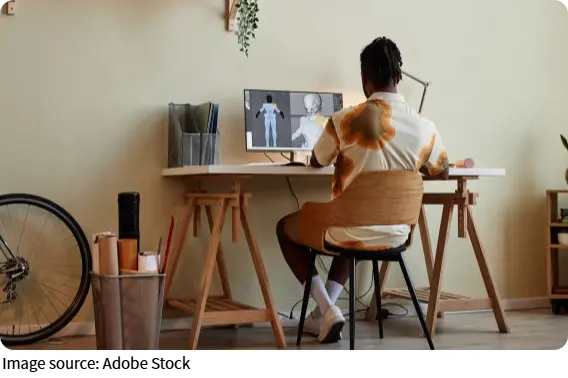
Extended sitting patterns can gradually influence posture, mobility, and overall physical function when left unaddressed. However, simple and consistent movement strategies such as dynamic lunges, hip hinge holds, deep squat practice, controlled breathing, regular walking, balanced strength training, and varied seating positions can help restore natural activity cycles. The key lies in breaking long periods of stillness with intentional movement.