The Science of Strong Teeth

Caroll Alvarado
| 04-06-2026
 · News team
Have you ever noticed a sharp sensation when drinking something cold or enjoying a sweet treat? Many people describe this experience as having “soft teeth.”
While this is not a clinical term, it is commonly used to describe teeth that seem more sensitive or less resistant to everyday wear.
In many cases, the underlying concern is weakened enamel or mineral loss from the tooth surface. Understanding how enamel functions and how daily habits affect it can help support long-term dental health.
Understanding “Soft Teeth”
The outer layer of each tooth, known as enamel, serves as a protective barrier against chewing forces, temperature changes, and dietary acids. When enamel becomes weakened, teeth may feel more sensitive to cold air, hot drinks, or sugary foods.
Although people often refer to this condition as “soft teeth,” the tooth itself does not become soft. Instead, the enamel may lose minerals, reducing its ability to protect the underlying structure. As a result, sensitivity and discomfort can become more noticeable during everyday activities.
Because enamel cannot naturally regenerate once significant wear has occurred, prevention remains one of the most effective ways to maintain strong, healthy teeth. Early signs of enamel weakening may include increased sensitivity, a duller tooth surface, or discomfort while eating and drinking.

Factors That Can Weaken Enamel
Several everyday habits and environmental factors can affect enamel durability.
Frequent exposure to acidic beverages, including carbonated drinks, citrus-based juices, and flavored beverages, may gradually erode surface minerals. When acidic exposure occurs repeatedly throughout the day, enamel has less opportunity to recover through natural remineralization processes.
Inconsistent dental hygiene can also contribute to enamel damage. As plaque accumulates on tooth surfaces, acids produced by bacteria increase the risk of enamel breakdown.
Brushing technique is equally important. Using excessive force or a hard-bristle toothbrush may wear away enamel over time rather than effectively clean the teeth.
Another factor is reduced saliva flow. Saliva plays a vital role in neutralizing acids, washing away food particles, and supporting mineral balance. When saliva production decreases, enamel becomes more vulnerable to damage.
The Role of Nutrition
Nutrition plays a key role in supporting enamel health and overall dental wellness.
Foods rich in calcium and phosphorus help maintain the mineral balance necessary for strong teeth, while vitamin D supports the body's ability to utilize these nutrients effectively. Consistent intake of these nutrients contributes to long-term structural resilience.
Eating habits also matter. Frequent snacking, particularly on sticky or sugary foods, extends the amount of time teeth are exposed to acids. This repeated exposure can place additional stress on enamel.
Drinking water after meals may help rinse away food particles and reduce acid concentration in the mouth. In addition, limiting frequent consumption of highly acidic foods and beverages can support enamel preservation.
Temperature extremes may also increase the perception of sensitivity in teeth with weakened enamel, making hot and cold foods feel more uncomfortable.
Daily Habits That Support Strong Teeth
Strong teeth are often the result of consistent daily care.
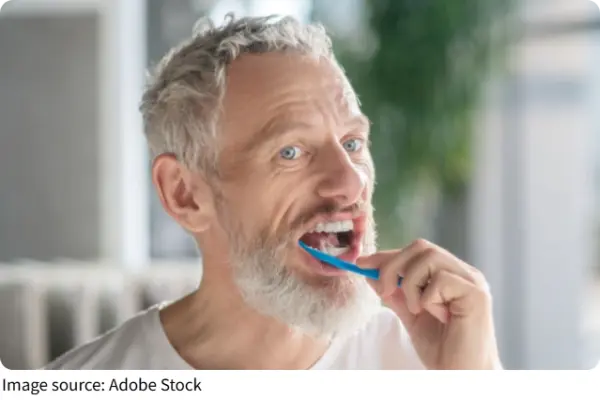
Brushing twice a day with a soft-bristle toothbrush and gentle circular motions helps remove plaque while protecting enamel from unnecessary abrasion.
Fluoride-containing toothpaste can support remineralization and help improve enamel resistance to acid exposure. Maintaining a regular dental care routine is essential for reducing plaque buildup and supporting long-term dental health.
As noted by Advanced Dental, "Taking care of your teeth also plays a vital role in your overall health."
Daily flossing is also beneficial because it removes debris and plaque from areas that toothbrush bristles may not effectively reach.
Small, consistent habits often have a greater impact on dental health than occasional intensive efforts.
Professional Care and Prevention
Regular dental checkups provide valuable insight into the condition of enamel and overall dental health.
Early identification of enamel wear allows preventive measures to be implemented before sensitivity or damage becomes more significant. Professional recommendations may include protective treatments, dietary adjustments, or personalized dental care strategies based on individual needs.
Preventive care is generally more effective and less complex than addressing advanced enamel loss after it has occurred.
Strong teeth depend on more than brushing alone. Enamel health is influenced by nutrition, hydration, dental care practices, and daily lifestyle choices. While enamel cannot naturally regenerate after significant damage, consistent preventive care can help preserve its strength and protective function.
By understanding the factors that affect enamel and adopting supportive daily habits, it is possible to maintain greater comfort, improve dental health, and protect your smile for years to come.