Fun Exercise for Kids!

Mason O'Donnell
| 08-06-2026
 · News team
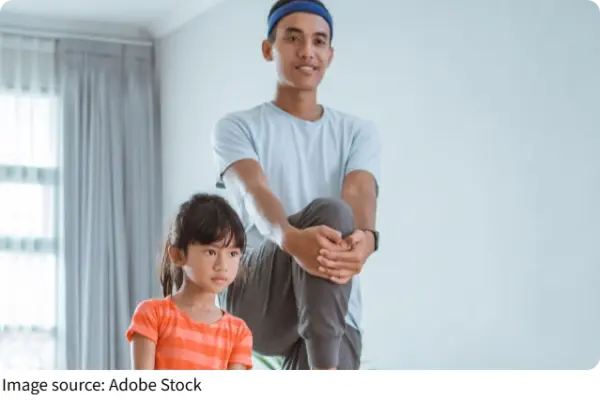
Hi Lykkers! Energetic moments indoors can become powerful opportunities to build coordination, rhythm, and joyful movement habits in children. Home environments are often seen as limited spaces for physical activity, yet with creative structure and purposeful planning, they can transform into dynamic areas that support active play.
Movement-based activities not only support physical engagement but also contribute to improved focus, coordination, and emotional balance in children through enjoyable and interactive routines.
1. Creative Movement Games for Whole-Body Activity
Movement-based games provide structured yet enjoyable physical engagement. Activities such as indoor obstacle paths using cushions, taped floor lines, or soft household objects encourage stepping accuracy, balance control, and directional awareness.
Timed challenges, such as moving from one point to another using different movement styles like hopping or side-stepping, introduce variety and sustain attention. These games encourage full-body coordination while maintaining a playful environment that reduces resistance toward physical activity.
2. Rhythm-Based Activities for Coordination Development
Music-integrated movement exercises support timing, rhythm, and coordination. Simple actions such as clapping sequences, stepping patterns, or movement changes based on musical tempo create structured physical engagement.
Fast-paced music encourages energetic motion, while slower rhythms support controlled balance activities. This variation helps children adapt movement speed and refine coordination skills through auditory cues, strengthening both cognitive and physical response systems.
3. Indoor Adventure Circuits for Structured Play
Home-based obstacle circuits can be designed using furniture arrangements and safe household items. Crawling under tables, stepping over cushions, or balancing along straight floor paths encourages spatial awareness and controlled movement transitions. Each section of the circuit can represent a different challenge, such as speed zones or balance zones, allowing varied physical demands within a single activity. This structured format helps maintain interest while supporting continuous movement engagement.
4. Interactive Ball Activities for Reflex and Coordination
Soft ball games indoors provide opportunities for reaction training and hand-eye coordination. Simple tossing and catching exercises, rolling challenges across marked spaces, or target-based throws into containers create engaging movement patterns. These activities also encourage focus and timing precision. Adjusting distance or speed introduces progressive difficulty, allowing continuous skill development while maintaining an enjoyable experience.
5. Animal-Inspired Movement Play
Imitating animal movements adds imaginative structure to physical activity. Actions such as crawling like a bear, hopping like a frog, or stretching like a cat introduce diverse motion patterns that engage multiple muscle groups. These movement variations enhance flexibility, coordination, and spatial control while maintaining a playful atmosphere. The imaginative element also increases participation motivation and encourages longer engagement periods.
Len-Saunders, Exercise Physiologist, Best-Selling Author, Motivational Speaker specializing in children's fitness, he said: "They can also do basic calisthenics, such as pushups, curl-ups, running in place, mountain climbers and burpees."
6. Family-Based Challenge Activities
Shared movement challenges create opportunities for collaborative physical engagement. Activities such as step-count goals, movement repetition games, or timed coordination tasks introduce gentle competition while promoting teamwork. These shared experiences strengthen engagement levels and encourage consistency in activity participation. Structured challenges also provide clear goals, making movement sessions more purposeful and engaging.
7. Balance Between Activity and Rest Cycles
Effective home exercise routines include balanced intervals of movement and rest. Short bursts of activity followed by calm recovery periods help maintain energy levels without causing fatigue. Rest intervals can include stretching, slow breathing, or quiet repositioning, allowing the body to reset before the next activity phase. This balance supports sustained engagement and prevents overstimulation during active play sessions.

Home-based physical activity offers a practical and creative approach to supporting coordination, rhythm, and active engagement in children. Small adjustments in how space and time are used can transform ordinary moments into meaningful physical experiences that support long-term activity habits and joyful engagement with movement.