Healthy Eyes Every Day

Camille Dubois
| 02-07-2026
 · News team
Clear vision is often taken for granted until problems begin to interfere with daily life. Reading messages, recognizing faces, driving safely, and enjoying scenic views all depend on healthy eyesight. Yet modern lifestyles place increasing demands on vision.
Extended screen exposure, limited outdoor activity, poor dietary habits, and environmental pollutants can gradually affect visual comfort and performance.
Maintaining eye health is not limited to occasional checkups. It involves consistent daily habits that protect vision and support long-term visual function.
1. Prioritize Nutrient-Rich Foods
Nutrition plays a significant role in visual wellness. Certain vitamins and minerals help support the structures responsible for capturing and processing light. Dark leafy vegetables such as spinach and kale contain lutein and zeaxanthin, natural compounds concentrated in the retina. Colorful fruits and vegetables, including carrots, bell peppers, oranges, and sweet potatoes, provide antioxidants that help combat oxidative stress.
Fish such as salmon, sardines, and mackerel provide omega-3 fatty acids, which support tear production and contribute to visual comfort. A varied diet rich in fruits, vegetables, seafood, legumes, and whole grains provides a strong nutritional foundation for maintaining healthy eyesight.
2. Follow the 20-20-20 Rule During Screen Use
Digital devices have become a constant part of modern life. However, prolonged screen use can contribute to digital eye strain, which may cause dryness, blurred vision, headaches, and difficulty focusing.
A practical strategy is the 20-20-20 rule. Every 20 minutes, look at an object approximately 20 feet away for at least 20 seconds.
This brief pause allows the eye's focusing muscles to relax after extended periods of near work. Positioning screens slightly below eye level may also help reduce dryness because the eyelids cover a greater portion of the eye during use.

3. Protect Your Eyes from Ultraviolet Exposure
Sunlight contains ultraviolet radiation that can contribute to long-term eye damage when exposure accumulates over time. Wearing sunglasses that block 99% to 100% of UVA and UVB rays provides important protection. A wide-brimmed hat can offer additional protection by reducing direct sunlight reaching the eyes.
Eye protection remains important even on cloudy days because ultraviolet rays can pass through clouds and reflect from surfaces such as water, sand, and pavement.
4. Stay Hydrated Throughout the Day
Many people associate hydration with overall wellness but overlook its importance for visual comfort. Inadequate fluid intake may contribute to dry, irritated eyes, particularly in air-conditioned environments or during prolonged periods of concentration.
Adequate hydration supports healthy tear production, helping maintain a smooth optical surface while protecting the eyes from environmental irritants. Carrying a reusable water bottle throughout the day can encourage regular fluid intake and help maintain visual comfort during work, study, or travel.
5. Use Proper Lighting for Reading and Work
Lighting conditions significantly influence visual comfort and performance. Reading in dim lighting does not permanently damage the eyes, but it can contribute to temporary eye strain because the eyes work harder to distinguish details. Excessive glare can also reduce contrast and cause discomfort.
Task lighting should illuminate reading materials without creating reflections on screens or glossy surfaces. Adjustable desk lamps often provide better lighting control than relying solely on overhead lighting.
6. Never Ignore Early Warning Signs
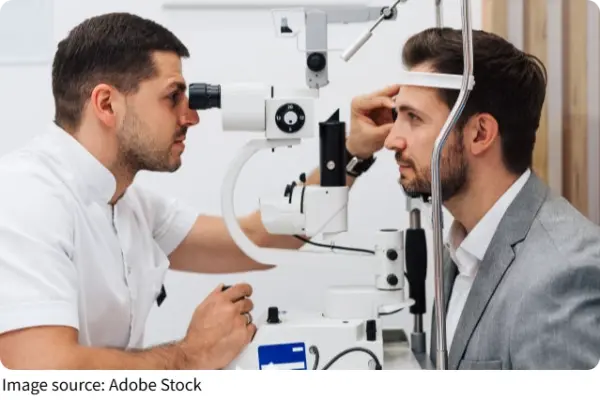
Many eye conditions develop gradually, making early symptoms easy to overlook. Frequent headaches, difficulty focusing, persistent redness, double vision, increased sensitivity to light, or sudden changes in vision should not be ignored. Early identification of potential problems often improves treatment outcomes and helps prevent further complications.
“There’s a lot you can do to keep your eyes healthy and protect your vision.” — National Eye Institute.
Routine comprehensive eye examinations can detect changes before noticeable symptoms appear. Regular examinations are particularly beneficial for individuals with a family history of eye conditions or those who spend many hours using digital devices.
7. Get Sufficient Sleep Every Night
Sleep is one of the most overlooked components of eye health. During rest, the eyes recover from daily exposure to light, environmental particles, and continuous visual activity. Insufficient sleep may contribute to eye twitching, dryness, redness, and difficulty focusing.
Consistent, high-quality sleep supports tear film stability and allows natural restorative processes to occur. Maintaining a regular sleep schedule and limiting screen use before bedtime can improve both sleep quality and visual comfort.
Why Daily Habits Matter More Than Occasional Effort
Many people focus on their vision only after discomfort develops. However, eye health is shaped primarily by everyday habits. Consistent hydration, balanced nutrition, protective eyewear, sufficient sleep, and regular eye examinations provide cumulative benefits over time.
Just as one healthy meal does not determine overall wellness, a single eye examination cannot ensure lifelong visual health. Sustainable daily habits help reduce the risk of preventable problems while supporting clear, comfortable vision throughout life.
Healthy eyesight depends on more than genetics. Daily choices influence visual comfort, performance, and long-term eye function. Prioritizing nutrient-rich foods, managing screen time, protecting the eyes from ultraviolet radiation, staying hydrated, using proper lighting, recognizing early warning signs, and getting sufficient sleep are seven practical habits that support healthy vision for years to come.