Oxygen Tips for Senior Care

Mariana Silva
| 10-06-2026
 · News team
Welcome Lykkers! Observing modern home health tools will notice how compact monitoring devices have become. Among them, pulse oximeters have gained strong attention in senior care environments, offering a simple way to observe blood oxygen saturation and pulse rate trends.
Despite the ease of use, accurate interpretation and proper handling require careful attention, especially when supporting older individuals who may have fluctuating circulation patterns or sensitive skin conditions. Understanding correct practices improves reliability and supports timely health awareness.
Measurement Stability in Senior Care
Pulse oximeter readings depend on light absorption through the fingertip or similar site. In senior patients, reduced peripheral circulation may occasionally influence signal stability. Cold surroundings, reduced movement, or improper sensor placement can lead to inconsistent results. Consistency improves when readings are taken after a short resting period in a stable indoor environment.
Nail coatings or thickened nail surfaces may also interfere with light transmission. Clean, natural fingernails allow more accurate detection. Repeating measurements a few times and observing consistent patterns is often more informative than relying on a single reading.
Proper Placement Technique for Reliable Results
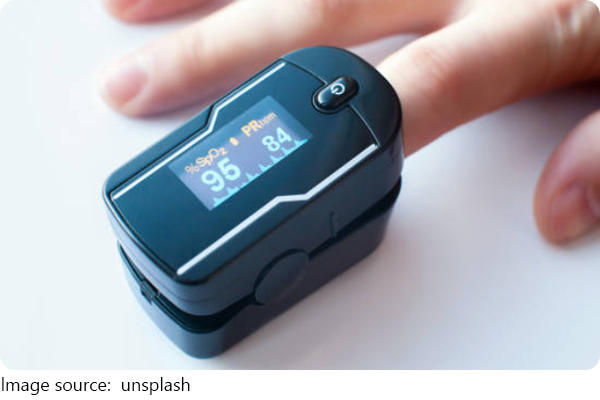
Sensor alignment plays a key role in ensuring dependable data. The device should fully cover the fingertip without excessive pressure. Excess tightening can reduce microcirculation, while loose placement may allow external light interference.
Hands should remain still during measurement. Even slight tremors or repositioning may affect signal quality. Supporting the hand on a stable surface reduces motion artifacts. Waiting at least 30–60 seconds before recording results often helps stabilize the displayed value. For individuals with sensitive skin, rotating measurement sites such as alternate fingers can help reduce repeated pressure on the same area.
Environmental Factors That Influence Readings
Lighting conditions can influence sensor accuracy. Strong direct sunlight or high-intensity artificial lighting may interfere with optical sensors. Indoor shaded lighting provides more consistent conditions. Temperature also plays a subtle role. Cooler environments may temporarily reduce peripheral circulation, which can affect signal detection. Gentle warming of the hands before measurement can improve consistency. Avoid rapid transitions from outdoor cold to indoor reading without a short adjustment period.
Monitoring Trends Instead of Single Values
One isolated measurement may not fully represent overall status. Tracking changes over time provides a clearer understanding of patterns. Consistent declines or improvements across multiple readings are more meaningful than individual fluctuations. Recording measurements at similar times of day supports better comparison. Morning and evening readings may naturally differ slightly due to activity levels and rest cycles, so context matters when interpreting values.
Maintenance and Device Care
Clean sensor surfaces regularly using a soft, dry cloth. Dust or residue on the light-emitting area may distort readings. Battery strength also influences performance; low power can cause unstable display behavior. Storage in a dry location prevents sensor degradation. Avoiding impact or pressure on the device preserves internal alignment of optical components, which are essential for accuracy.
According to William Maisel, M.D., M.P.H., Director of the Office of Product Evaluation and Quality at the FDA's Center for Devices and Radiological Health:
"While pulse oximeters may be useful for estimating blood oxygen levels, these devices have limitations that can result in inaccurate readings. Patients with conditions such as COVID-19 should not rely solely on pulse oximeter measurements to monitor their health at home, as these devices are not a substitute for a medical diagnosis by a healthcare provider."
Recognizing When Rechecking Is Important
Occasional variation in readings is expected, but repeated irregular results under stable conditions may indicate improper placement or environmental interference. Rechecking under calm, controlled conditions helps confirm accuracy. Allowing a brief rest period before repeating measurements can reduce temporary fluctuations caused by movement or temperature changes. Consistency across multiple readings provides stronger confidence in the observed values.
Pulse oximeters offer a practical and accessible way to observe important physiological signals in senior care settings. Accurate use depends on stable positioning, appropriate environmental conditions, and attention to reading patterns over time. Device maintenance and repeated verification strengthen reliability, while awareness of influencing factors helps prevent misinterpretation.
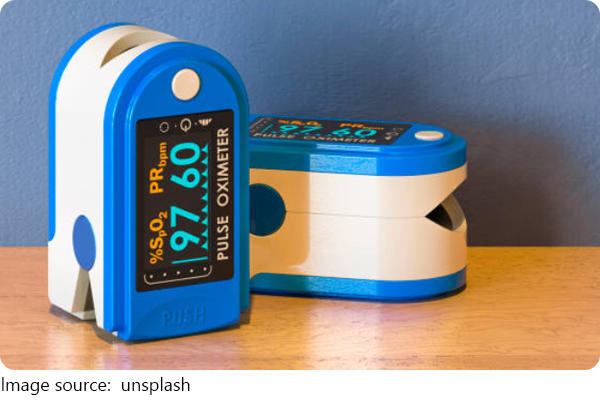
Careful application transforms a small handheld device into a meaningful monitoring aid. Reflecting on measurement habits, improving technique, and maintaining consistency can significantly enhance the quality of observations in daily care routines.