Strong Smiles Start Early!

Santosh Jha
| 15-06-2026
 · News team
Hi Lykkers! Many parents focus on nutrition, exercise, education, and emotional well-being when raising children. However, one important aspect of health is often underestimated: dental care. Healthy teeth are not only important for eating and speaking comfortably, but they also contribute to confidence, social interactions, and overall well-being throughout childhood.
Although primary teeth are eventually replaced, they play a critical role in guiding proper tooth alignment, supporting speech development, and helping children chew food effectively. Establishing healthy dental habits during the early years creates a strong foundation that can benefit children for decades.
Begin Dental Care from the Earliest Stages
Dental health begins long before all teeth have appeared. Even during infancy, gentle cleaning of the gums and newly emerging teeth helps create familiarity with daily hygiene routines. As children grow, introducing age-appropriate toothbrushes and making brushing a consistent part of the morning and evening schedule can transform a simple task into a lifelong habit. Early exposure often leads to greater acceptance and cooperation as children become older.
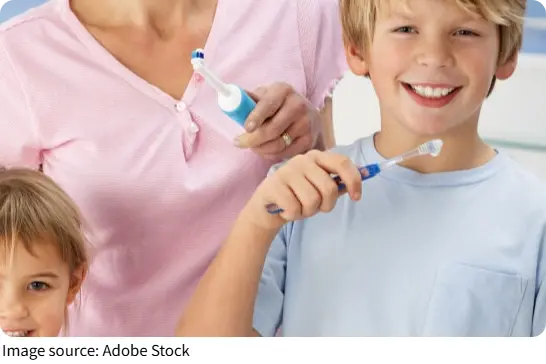
Create Positive Experiences Around Brushing
Children are naturally curious and learn through observation. Turning tooth cleaning into an enjoyable activity can significantly improve participation and enthusiasm. Colorful toothbrushes, favorite songs, timers, story-based routines, or reward charts can make brushing feel engaging rather than repetitive. Interactive approaches help children associate dental care with positive experiences instead of viewing it as a chore. The goal is not perfection but regular practice that gradually becomes part of everyday life.
Encourage Regular Professional Checkups
Routine dental visits are valuable even when no obvious problems are visible. Many issues develop gradually and may not cause discomfort during the early stages. Regular examinations allow dental professionals to identify concerns before they become more complex. Preventive care can also help reduce the likelihood of future complications while familiarizing children with the dental environment.
The Importance of Fluoridated Water
Water remains one of the most beneficial beverages for children's health. In communities where fluoridated water is available, it can provide additional protection for developing teeth. Fluoride helps strengthen tooth enamel, the protective outer layer of the teeth. Stronger enamel is more resistant to the acids produced by bacteria that contribute to decay. Encouraging water consumption throughout the day supports hydration while helping maintain a healthier environment within the mouth.
Teach the Habit of Rinsing After Meals
Food particles left behind after eating can create favorable conditions for bacteria. While brushing remains the most effective cleaning method, rinsing with water after meals can be a helpful additional practice. This simple habit helps remove food debris and reduce the accumulation of substances that contribute to plaque formation. It is especially useful when brushing is not immediately possible, such as during school hours or outdoor activities.
Focus on Foods That Support Healthy Teeth
Nutrition plays a direct role in maintaining strong teeth and healthy gums. Certain foods can help support dental wellness, while others may increase the risk of decay when consumed frequently. Fresh fruits, vegetables, cheese, yogurt, nuts, and other nutrient-rich foods provide valuable vitamins and minerals. Crunchy produce such as apples and carrots may also help stimulate saliva production, which naturally assists in cleansing the mouth.
In contrast, sticky sweets, sugary beverages, and frequent snacking on highly processed foods can contribute to plaque buildup and increase the likelihood of cavities. Moderation and balanced food choices remain essential.
Protect Teeth During Sports and Active Play
Childhood often includes running, jumping, cycling, and participation in organized sports. While physical activity offers many benefits, accidental impacts can sometimes damage teeth. Mouthguards provide an important layer of protection during contact sports and recreational activities. These protective devices help absorb force and reduce the risk of dental injuries affecting the teeth, lips, and surrounding tissues. A properly fitted mouthguard can be an effective preventive measure for active children.
Recognize Early Warning Signs
Dental problems are often easier to address when detected early. Parents should pay attention to symptoms such as tooth sensitivity, visible discoloration, persistent bad breath, bleeding gums, or complaints of discomfort while eating. Other behaviors, including teeth grinding during sleep, may indicate issues that deserve professional evaluation. Early intervention can help prevent minor concerns from developing into more serious conditions.
In a 2023 NIH News in Health article, Dr. Tim Iafolla said: "Helping your children develop healthy dental and nutritional habits early in childhood can set them up for a lifetime of good dental health."
Healthy teeth are not the result of occasional effort but of consistent daily habits developed over time. Early hygiene routines, regular professional checkups, nutritious food choices, protective measures during sports, and prompt attention to potential problems all contribute to stronger dental health throughout childhood.