Teaching Handwashing

Arjun Mehta
| 02-07-2026
 · News team
Healthy habits often begin with the simplest daily routines, and handwashing is one of the most important ones. Throughout the day, children's hands come into contact with toys, books, playground equipment, pets, and many shared surfaces.
Although germs cannot be seen without a microscope, they can easily spread from one surface to another through touch.
Teaching proper handwashing at an early age helps reduce the spread of common illnesses while encouraging lifelong personal hygiene. With patience, consistency, and a little creativity, handwashing can become a habit that children practice naturally every day.
1. Explain Why Handwashing Is Important
Help children understand that washing their hands removes germs that can cause illness. Even though germs cannot be seen without a microscope, they can still be present on toys, doorknobs, school supplies, and many other commonly touched surfaces. Explain that clean hands help protect not only themselves but also the people around them. Comparing handwashing to other healthy routines, such as brushing teeth or eating nutritious meals, helps children recognize that it is an essential part of daily self-care.
“Handwashing with soap is one of the best ways to stay healthy.” — Centers for Disease Control and Prevention.
2. Demonstrate the Correct Handwashing Technique
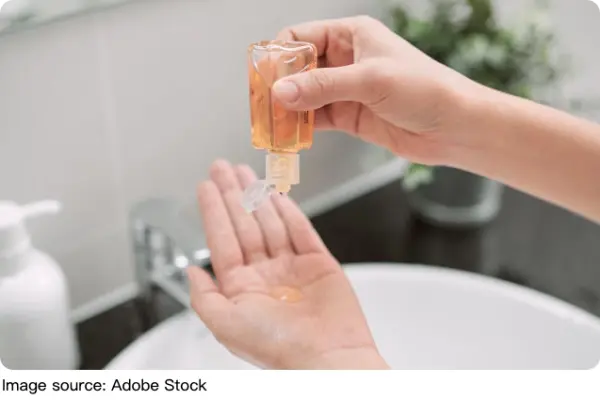
Children learn best by watching and practicing. Explain that simply rinsing hands quickly is not enough to remove germs effectively. Proper handwashing follows several important steps:
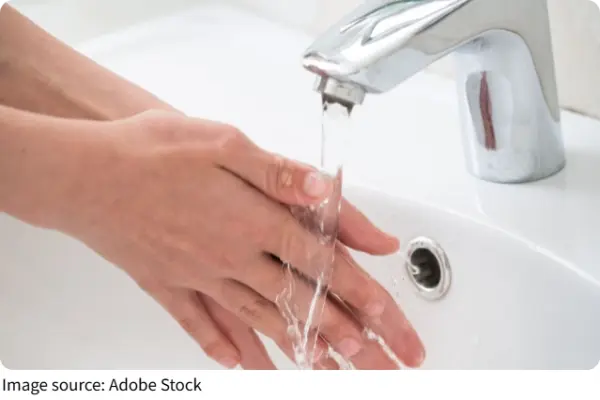
- Wet hands with clean running water.
- Apply enough soap to cover all hand surfaces.
- Rub the palms, the backs of the hands, between the fingers, the thumbs, fingertips, and under the fingernails for at least 20 seconds.
- Rinse thoroughly under running water.
- Dry hands using a clean towel or a disposable paper towel.
Carefully cleaning every part of the hands helps remove dirt and germs more effectively.
3. Wash Hands for the Right Amount of Time
Proper timing is just as important as proper technique. Hands should be washed with soap for at least 20 seconds. If soap and running water are not available, clean your hands as soon as they become available. Young children should always wash their hands with the guidance of a responsible caregiver to help ensure proper hand hygiene.
4. Teach the Best Times to Wash Hands
Creating a consistent routine helps children remember when handwashing is especially important. Hands should always be washed:
- When hands are visibly dirty.
- Before and after eating.
- After using the toilet.
- After touching animals or pets.
- After coughing, sneezing, or blowing their nose.
5. Make Handwashing Fun
Children are more likely to enjoy handwashing when it feels like a fun activity instead of a chore. Singing songs, using colorful soap dispensers, choosing pleasantly scented soaps, or creating sticker reward charts can make the experience more engaging. Parents and caregivers can also wash their hands alongside children, turning handwashing into a shared family routine. Positive encouragement and praise help build confidence while reinforcing healthy habits that can last a lifetime.
Teaching children proper handwashing is a simple yet valuable step toward building lifelong healthy habits. By helping children understand why handwashing matters, demonstrating the correct technique, encouraging consistent routines, and making the experience enjoyable, parents and caregivers can foster habits that support cleanliness and overall well-being. Small daily actions practiced consistently can have a lasting positive impact, helping children grow into confident individuals who value good personal hygiene throughout their lives.