Deep Stretch Benefits

Camille Dubois
| 13-07-2026
 · News team
Modern lifestyles often involve prolonged sitting, limited movement, and extended screen time, all of which can contribute to muscle tightness and postural imbalance.
The one-legged pigeon pose is a restorative stretching exercise that promotes flexibility, mobility, and body awareness through controlled positioning and steady breathing. When practiced with proper technique, it supports comfortable movement, encourages healthy posture, and fosters a calm, focused mindset.
Improving Lower Body Mobility
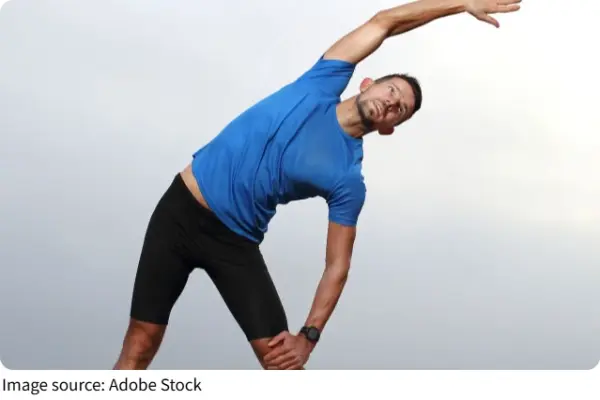
The one-legged pigeon pose provides a deep stretch for the hips, thighs, and lower back, helping relieve stiffness that may develop from prolonged sitting or repetitive daily activities. The forward fold gently lengthens the muscles and surrounding soft tissues, while the extended back leg stretches the front of the hip, creating a balanced stretch throughout the lower body.
With consistent practice, this movement may improve mobility and promote smoother, more comfortable movement during everyday activities. It also helps distribute muscular tension more evenly, supporting greater ease of movement and functional flexibility.
Supporting Posture and Spinal Alignment
Maintaining an upright upper body during the pose encourages natural spinal extension and increases awareness of body alignment. Proper positioning engages stabilizing muscles that support the spine and torso, helping reinforce healthy movement patterns.
Over time, regular practice may contribute to improved postural awareness when combined with healthy daily movement habits. The pose also encourages balanced alignment on both sides of the body, promoting symmetry, stability, and overall movement efficiency.
Encouraging Healthy Circulation
Gentle stretching combined with controlled movement encourages healthy circulation by promoting coordinated muscle engagement and relaxation. Slow, deliberate transitions into and out of the posture allow the body to move comfortably while creating a refreshed feeling after practice.
Regular stretching may also help reduce the sensation of stiffness associated with prolonged inactivity, making everyday movement feel easier and more fluid.
Promoting Relaxation and Body Awareness
Holding the one-legged pigeon pose while maintaining slow, steady breathing encourages relaxation and enhances awareness of body position. Focusing on breathing and proper alignment helps reduce unnecessary muscle tension while supporting a calm and attentive state of mind.
This combination of controlled stretching and mindful movement encourages greater awareness of physical sensations, helping improve movement quality during both exercise and everyday activities.
Enhancing Flexibility and Functional Movement
Regular practice of the one-legged pigeon pose can gradually improve flexibility in the hips, thighs, and surrounding muscles. Increased flexibility supports a greater range of motion, allowing activities such as walking, bending, reaching, and changing direction to feel smoother and more comfortable.
Because flexibility develops gradually, maintaining proper technique and practicing consistently are more beneficial than attempting to force deeper stretches.
"Stretching keeps the muscles flexible and healthy, and we need that flexibility to maintain a range of motion in the joints." — Harvard Health Publishing.
Developing Coordination and Movement Control
The one-legged pigeon pose requires attention to balance, alignment, and controlled breathing. These elements work together to strengthen coordination between movement and body awareness, contributing to improved stability and physical control.
As coordination develops, everyday movements may become more efficient, balanced, and comfortable, supporting long-term mobility and overall physical function.
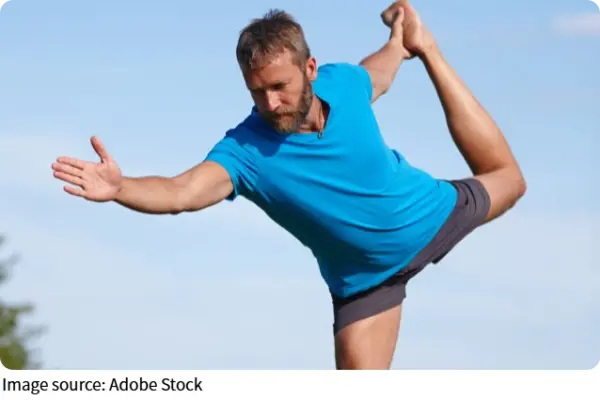
The one-legged pigeon pose is an effective stretching exercise that supports flexibility, mobility, posture, and body awareness. When practiced consistently with proper technique, it can help reduce physical tightness, improve movement quality, and encourage better postural control. By emphasizing gradual progress and controlled movement, this exercise offers a practical and sustainable approach to maintaining mobility and supporting overall physical well-being.