Pediatricians in Preventive

Declan Kennedy
| 28-07-2026
 · News team
Hi Friends! A child's healthiest years are shaped long before serious illness ever appears. Preventive care is the foundation of lifelong well-being, and pediatricians play a central role in guiding children through every stage of growth.
Rather than focusing only on treating disease, pediatricians monitor development, identify early warning signs, provide immunizations, and help families establish healthy daily habits. Every routine visit offers an opportunity to strengthen physical, emotional, and developmental health while reducing the likelihood of future medical concerns.

Why Preventive Care Matters During Childhood
Childhood is marked by rapid physical, cognitive, and emotional changes. Small concerns that appear insignificant during early years may become more difficult to address if left unnoticed. Preventive care allows pediatricians to recognize developmental differences at the earliest possible stage, when interventions are often the most effective.
Routine health visits include careful evaluation of growth patterns, vision, hearing, language development, motor skills, and social interaction. Growth measurements are compared with standardized pediatric growth charts to determine whether development is progressing within expected ranges. These regular assessments create a continuous record that helps identify gradual changes which might otherwise remain unnoticed.
Vaccination as a Cornerstone of Prevention
Vaccination remains one of the most successful public health achievements in pediatric medicine. Immunization protects children from serious infectious diseases while also limiting transmission within schools and communities. Pediatricians carefully follow evidence-based immunization schedules developed through extensive scientific research. During each visit, vaccination status is reviewed to ensure protection remains current according to age and recommended intervals.
Monitoring Growth and Development
Growth monitoring extends far beyond measuring height and weight. Pediatricians evaluate developmental milestones including communication, learning abilities, movement coordination, emotional regulation, and social engagement. Standardized developmental screening tools help identify concerns related to speech delays, learning challenges, or behavioral differences at an early stage. Early identification allows children to receive supportive services during periods when development is especially responsive to intervention.
Preventive appointments also include discussions about sleep quality, physical activity, nutrition, and emotional well-being. These conversations provide valuable insight into everyday routines that influence healthy development.
Nutrition Guidance for Every Stage
Nutritional requirements change rapidly throughout childhood. Pediatricians provide age-specific recommendations that support healthy growth while helping prevent nutritional deficiencies and excessive weight gain. Infants require guidance on breastfeeding or formula feeding, gradual introduction of complementary foods, and recognition of food allergies. Preschool and school-age children benefit from balanced meals rich in fruits, vegetables, whole grains, lean proteins, and calcium-rich foods.
Pediatricians also educate caregivers about limiting added sugars, reducing highly processed snacks, encouraging hydration, and creating positive mealtime routines. Practical recommendations tailored to each developmental stage often produce better long-term eating habits than restrictive approaches.
Supporting Emotional and Behavioral Health
Preventive pediatric care increasingly recognizes emotional health as an essential component of overall wellness. During routine visits, pediatricians observe social interaction, communication skills, emotional regulation, and behavioral patterns appropriate for each age. Screening questionnaires may help identify symptoms associated with anxiety, depression, attention difficulties, or developmental conditions.
Educating Families for Better Everyday Health
Education is one of the most valuable preventive tools pediatricians provide. Families receive practical guidance about household safety, injury prevention, seasonal illnesses, medication safety, dental hygiene, and healthy lifestyle habits. Advice evolves as children grow. Infant visits may focus on safe sleeping practices and feeding schedules, while later appointments include discussions about internet safety, physical fitness, healthy friendships, and responsible health decisions.
Pauline A. Thomas, MD, Pediatrician; Co-author of an American Academy of Pediatrics policy statement. She said: "Pediatricians offer a respected, credible voice advocating for issues that affect children's health."
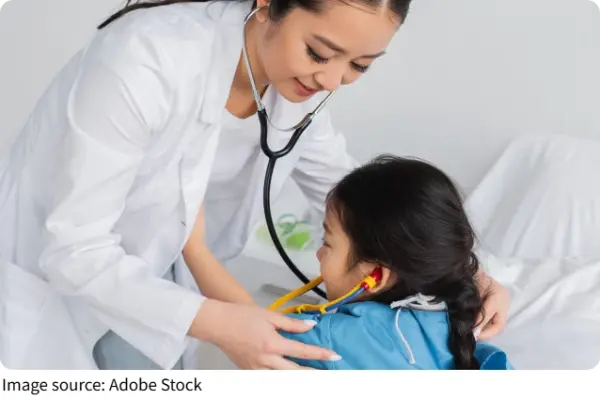
Preventive care represents far more than routine medical appointments. It is a continuous partnership that supports healthy development, protects against infectious diseases, encourages balanced nutrition, monitors developmental progress, and strengthens emotional well-being throughout childhood. Continued commitment to regular pediatric visits allows families to actively support healthy growth and create a solid foundation for lifelong wellness.