Hydration Important in Child

Naveen Kumar
| 28-07-2026
 · News team
Great Day, Lykkers! A glass of water may seem ordinary, yet it plays a remarkable role in helping children stay healthy, energetic, and ready to learn. Every stage of childhood depends on adequate hydration to support normal growth, regulate body functions, and maintain physical and mental performance.
Because children lose fluids more quickly than older age groups during play, hot weather, or illness, maintaining proper hydration deserves daily attention rather than becoming an afterthought. Unlike hunger, thirst is not always recognized immediately by children. Many become deeply engaged in games or school activities and may not drink enough throughout the day.

Why Children Need More Careful Hydration
Children have unique hydration needs because their bodies contain a higher proportion of water compared with later stages of life. Faster metabolism and frequent physical activity also increase daily fluid requirements. Running, climbing, participating in sports, or simply spending time outdoors can lead to significant fluid loss through perspiration.
Warm temperatures further increase this need. During hot weather, evaporation through the skin becomes an important cooling mechanism, causing additional water loss. Without regular fluid replacement, children may experience tiredness, headaches, reduced concentration, or irritability even before noticeable dehydration develops.
Infants and toddlers require particular attention because they cannot always communicate thirst clearly. Caregivers should offer fluids regularly instead of waiting for requests.
Hydration Supports Learning and Concentration
Healthy hydration directly influences attention, memory, and classroom performance. Even mild dehydration may reduce alertness and make it harder for children to focus on reading, solving problems, or participating in lessons. Researchers have found that adequate fluid intake supports cognitive performance throughout the school day. When hydration is maintained, children often demonstrate better attention, quicker thinking, and improved participation during educational activities.
Physical Activity Depends on Adequate Fluids
Running, cycling, swimming, and organized sports place greater demands on fluid balance. As physical activity increases, perspiration becomes the body's natural method of releasing heat. Lost fluids should be replaced before, during, and after exercise. Children participating in outdoor activities during summer months deserve additional attention because warm temperatures accelerate fluid loss. Regular drinking breaks every 15 to 20 minutes during prolonged activity can help maintain hydration, particularly during vigorous exercise.
Everyday Foods Also Contribute to Hydration
Water remains the healthiest beverage for most daily situations, yet many foods also provide valuable hydration. Fruits such as watermelon, oranges, strawberries, peaches, and grapes contain substantial amounts of water while supplying vitamins and natural fiber.
Vegetables including cucumbers, lettuce, celery, tomatoes, and bell peppers further increase daily fluid intake. Milk also contributes to hydration while providing important nutrients needed during childhood. Soups, yogurt, and other water-rich foods can support overall fluid intake, particularly for children who are reluctant to drink plain water regularly.
Recognizing Early Signs of Dehydration
Early recognition allows dehydration to be corrected before symptoms become more serious. Common warning signs include dry lips, reduced energy, dizziness, headaches, infrequent bathroom visits, and unusual irritability. During physical activity, children may also appear unusually tired or have difficulty maintaining normal performance.
Building Healthy Hydration Habits
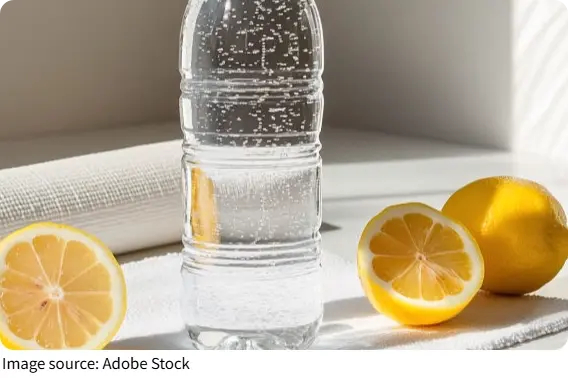
Developing consistent routines makes healthy hydration much easier. Offering water with every meal and snack, packing refillable water bottles for school, encouraging drinking before outdoor play, and making water easily available at home all support healthier habits. Colorful reusable bottles, scheduled water breaks, and serving naturally flavored water with slices of lemon, orange, cucumber, or berries may encourage children who hesitate to drink plain water.
Janine Rethy, MD, MPH, FAAP, Pediatrician, Division Chief of Community Pediatrics, MedStar Georgetown University Hospital; American Academy of Pediatrics. She said: "Being well hydrated improves mood, memory and attention in children."
Proper hydration is one of the simplest yet most powerful ways to support healthy childhood development. Sufficient fluid intake promotes learning, physical performance, temperature regulation, and everyday energy while reducing the likelihood of dehydration. Every glass of water represents a small investment in long-term health. Encouraging consistent hydration today helps create lifelong habits that support active learning, enjoyable play, and healthy growth for years to come.