Forest Bathing Benefits

James Carter
| 20-08-2026
 · News team
Forest bathing does not involve swimming. The practice, known in Japan as <i>shinrin-yoku</i>, simply means spending unhurried time in a wooded or other natural setting while paying attention to what you can see, hear, smell and feel.
Harvard Health notes that research suggests this kind of sensory immersion may help reduce some of the harmful effects of stress, which is important because chronic stress is linked with cardiovascular and other health problems.
It Is More Than a Walk
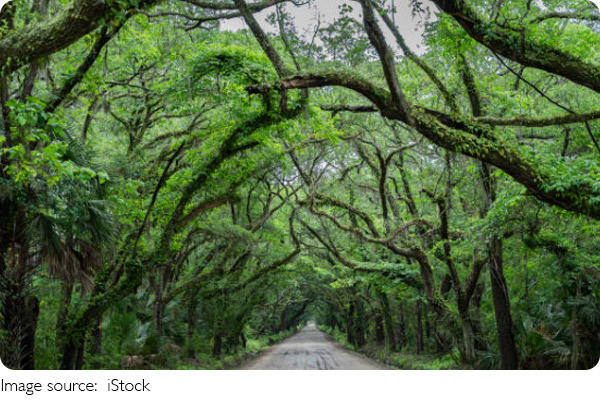
A normal walk often has a goal: reach a certain distance, get some exercise or arrive somewhere. Forest bathing is different. The point is to slow down.
You might notice the sound of leaves moving, the texture of bark, the temperature of the air or the smell of damp soil. There is no need to cover a certain number of kilometres or keep up a particular pace. This makes the practice closer to mindful time outdoors than to a workout.
Why Stress Matters
Stress is not automatically harmful. Short periods of stress are part of normal life.
The concern is persistent stress that keeps the body in a prolonged state of alertness. Over time, this can contribute to higher blood pressure and other changes that may affect cardiovascular health. Harvard Health points to forest bathing as one possible way to counter that pattern by encouraging a slower, more relaxed state.
Nature Engages Several Senses at Once
One reason wooded environments may feel restorative is that they pull attention away from screens, traffic, work and constant notifications.
Instead of focusing on one source of stimulation, you are surrounded by softer sensory information: birdsong, moving branches, changing light and natural scents.
That shift in attention can make it easier to disengage from repetitive thoughts and everyday tension.
A separate Harvard Health article also describes slow, relaxed time in green wooded areas as a mindfulness-style practice that may offer additional stress relief.
You Do Not Need a Remote Forest
The name can make the practice sound more complicated than it is. You do not need to travel to a national park or spend an entire day in the wilderness. A quiet wooded park, nature reserve or green area can work.
The most important part is how you spend the time.
Put your phone away if possible, walk slowly and avoid treating the outing as another task to complete. Stop occasionally, look around and deliberately notice what is happening in the environment. Even sitting quietly outdoors can fit the same principle.
How to Try It
Start with 20 to 30 minutes somewhere green and relatively peaceful.
Walk at an easy pace and let your attention move between different senses.
Notice sounds first, then colours and shapes. Pay attention to the air on your skin or the scent of plants and soil.
If your thoughts drift back to work or worries, simply return your attention to the environment rather than trying to force your mind completely blank.
The goal is not perfect relaxation. It is giving your nervous system a quieter setting for a while.
It Is Not a Medical Treatment
Forest bathing can be a useful wellbeing habit, but it should not be treated as a replacement for medical care, prescribed medication or established treatment for anxiety, high blood pressure or heart disease.
Its value is better understood as part of a broader healthy routine that may include regular movement, adequate sleep, balanced nutrition and appropriate medical support.
A Simple Way to Slow Down
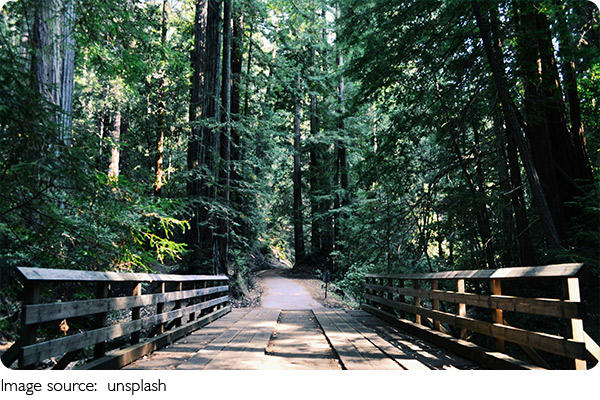
Perhaps the strongest appeal of forest bathing is its simplicity.
There is no equipment to buy, no complicated technique to learn and no performance target to reach.
By spending a little time outdoors and deliberately engaging the senses, you may create a small but meaningful break from everyday stress — one that benefits both mental calm and overall health.