Active Kids, Healthy Growth

Sofia Alvarez
| 25-08-2026
 · News team
Physical activity plays an important role in healthy childhood development.
Regular movement helps children build physical fitness, develop coordination, support cognitive function, and maintain emotional well-being.
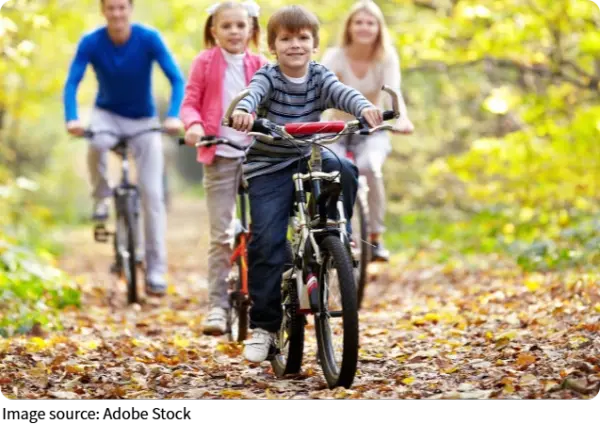
From active play and cycling to swimming, dancing, and age-appropriate sports, children can stay active in many enjoyable ways.
Supports Physical Development
Childhood is an important period for developing strength, balance, coordination, and movement skills. Activities such as running, jumping, climbing, and active play give children opportunities to use different muscle groups and improve physical abilities.
“Regular physical activity in children and adolescents promotes health and fitness.” — U.S. Department of Health and Human Services.
A variety of age-appropriate movements also helps children become more confident and capable in everyday physical activities.
Strengthens Bones and Muscles
Weight-bearing activities, including running, jumping, and climbing, can help support physical development and strength. Activities that challenge the muscles can also improve muscular fitness.
For school-age children and adolescents, muscle-strengthening activities are an important part of a balanced physical-activity routine.
Improves Physical Fitness
Activities that increase the heart rate can help develop cardiorespiratory fitness and endurance. Running, brisk walking, swimming, cycling, and active games are examples of activities that can challenge the cardiovascular system.
Regular participation can also help children develop greater physical capacity for everyday activities and recreation.
Supports Cognitive Function
Movement can benefit children's development beyond physical fitness. Regular physical activity is associated with cognitive benefits, including aspects of attention, memory, executive function, and academic performance.
Including active breaks and movement throughout the day can complement other healthy routines that support children's learning and development.
Promotes Mental Well-Being
Enjoyable activity provides children with opportunities to play, socialize, explore, and build confidence. Physical activity is also associated with positive mental health outcomes among children and adolescents.
Activities should feel enjoyable and encouraging rather than becoming a source of unnecessary pressure.
Supports Healthy Body Composition
Regular physical activity contributes to energy balance and healthier body composition. It works best as part of a broader healthy lifestyle that includes nutritious meals, adequate sleep, and consistent daily routines.
For children, the emphasis should be on developing healthy habits and enjoying movement rather than focusing exclusively on body weight.
Recommended Daily Activity
Physical-activity needs depend on age.
Children ages 3–4 years should have at least 180 minutes of physical activity throughout the day, including at least 60 minutes of moderate-to-vigorous activity.
Children and adolescents ages 5–17 years should average at least 60 minutes of moderate-to-vigorous physical activity each day across the week. Most should be aerobic activity, with vigorous, muscle-strengthening, and bone-strengthening activities included regularly.
Children who are currently less active can begin with manageable activities and gradually increase the amount and intensity as their abilities develop.
Make Movement Enjoyable
Children often respond well when activity feels like play rather than a requirement. Families can introduce movement through playground games, walking, cycling, swimming, dancing, outdoor exploration, and age-appropriate sports.
Offering different choices allows children to discover activities that match their interests and abilities. Adults can also encourage participation by creating safe opportunities for movement and joining in when appropriate.
Building Healthy Habits
Regular activity during childhood can help establish positive habits that support health as children grow. It can become a natural part of daily life alongside nutritious eating, sufficient sleep, school routines, and time for recreation.
The goal is not to make every child an athlete. It is to help children develop the skills, confidence, and enjoyment needed to remain active throughout childhood and beyond.

Physical activity provides children with important benefits for physical development, fitness, cognitive function, and mental well-being. A combination of aerobic, muscle-strengthening, and bone-strengthening activities can support healthy development when introduced appropriately for each child's age and abilities.
By making movement safe, varied, and enjoyable, parents and caregivers can help children build positive habits that support a healthy and active childhood.