How Camping Helps Kids

Naveen Kumar
| 25-08-2026
 · News team
Spending time outdoors can be a valuable part of a child’s healthy lifestyle. Family camping provides opportunities for movement, nature exploration, practical activities, and meaningful time together.
These experiences can complement children's physical, emotional, social, and developmental needs when activities are appropriate for their age and abilities.
Supports Mental Well-Being
Natural environments can provide opportunities for relaxation, exploration, and unstructured play. Research suggests that contact with nature is positively associated with children's mental health and well-being, although researchers note that the available evidence has limitations and does not establish that nature exposure directly causes these benefits.
Encourages Physical Activity
Camping can make movement part of the day through walking, hiking, active games, exploring, and other age-appropriate activities. Regular physical activity supports children's overall health and fitness and helps establish healthy movement habits.
“Physical activity is good for hearts, bodies and minds.” — World Health Organization.
Nature-based play has also been associated with positive physical-activity outcomes in children. A systematic review found consistent positive effects on physical activity, while noting that the overall evidence base has some limitations.
Provides Opportunities to Explore and Focus
Camping gives children opportunities to observe their surroundings, follow trails, notice natural features, and participate in hands-on activities. These experiences can encourage curiosity and engagement. Research has examined connections between nature exposure and attention, but the evidence is not strong enough to claim that camping directly improves concentration.
Builds Practical Independence
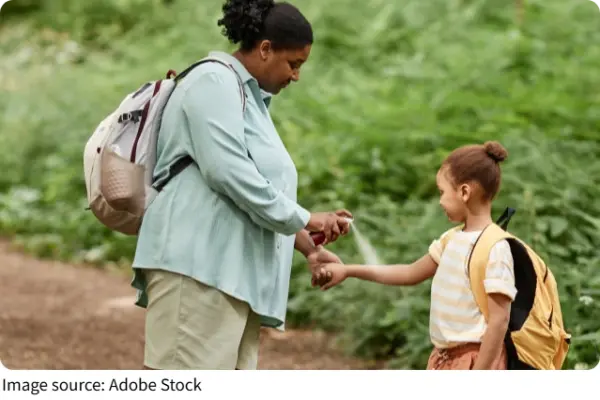
Age-appropriate camping responsibilities can help children practice everyday skills. Depending on their age, they might organize personal belongings, help prepare a sleeping area, carry suitable items, or follow routines for hydration, sun protection, and personal hygiene.
These simple tasks give children opportunities to participate in family routines while learning to manage responsibilities with appropriate guidance from adults.
Encourages Problem-Solving
Outdoor activities can present simple situations that require children to observe, think, and make choices. Following a safe route, selecting suitable clothing for the weather, or helping with a family activity can provide practical opportunities to develop decision-making and problem-solving skills.
Research on nature-based experiences has found some support for self-efficacy and cognitive outcomes, although findings for problem-solving specifically are less conclusive.
Strengthens Family Connections
Camping creates opportunities for parents and children to communicate, cooperate, and share experiences away from everyday responsibilities. Preparing activities, exploring together, and enjoying family games can encourage interaction and strengthen positive family relationships.
Encourages Healthy Outdoor Habits
Enjoyable outdoor experiences can help children become comfortable with active recreation and spending time in nature. Combining outdoor activities with adequate sleep, nutritious eating, regular movement, and balanced screen use can support a healthy daily routine.
Keep Camping Safe for Children
Outdoor activities should match a child's age, abilities, and experience level. Parents and caregivers should provide appropriate supervision, consider weather conditions, encourage regular hydration, use suitable sun protection, choose safe areas for activities, and teach basic outdoor safety.
Camping does not need to involve strenuous activities to be beneficial. Short walks, nature observation, family games, and simple exploration can provide enjoyable ways for children to participate.
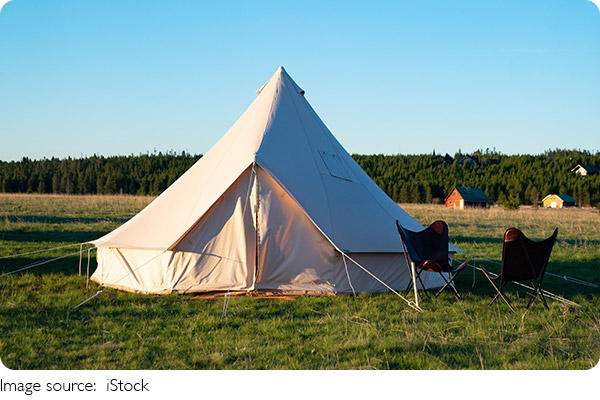
Camping can provide children with opportunities to be active, explore nature, practice practical skills, and spend meaningful time with family. Evidence supports the health value of physical activity and suggests positive relationships between children's contact with nature and aspects of physical and mental well-being, while some areas require further research. With thoughtful planning, age-appropriate activities, and proper supervision, camping can be a positive addition to a child's healthy lifestyle.