Prevent Tooth Decay in Kids

Amina Hassan
| 25-08-2026
 · News team
Tooth decay is a common childhood dental condition, but consistent preventive care can help reduce the risk.
Proper brushing removes plaque from tooth surfaces, while fluoride helps strengthen teeth and support the repair of early mineral loss.
Establishing these habits early gives children a strong foundation for maintaining healthy teeth as they grow.
Why Brushing Protects Teeth
Plaque contains bacteria that use sugars from foods and drinks to produce acids. Repeated exposure to these acids can weaken the tooth surface and contribute to cavities.
Brushing physically removes plaque while fluoride toothpaste provides fluoride directly to the teeth. Together, these actions help protect teeth from acid-related damage and support stronger tooth surfaces.
Use the Right Brushing Technique
Children should use gentle, short brushing movements to clean the outer, inner, and chewing surfaces of every tooth. The toothbrush should also reach the areas along the gumline, where plaque can accumulate.
Encourage thorough cleaning rather than vigorous scrubbing. Excessive pressure does not improve plaque removal and may irritate the gums.
Brush Twice Every Day
Children should brush their teeth twice daily with fluoride toothpaste, including once before bedtime.
“You should brush at least twice a day with fluoride toothpaste.” — Centers for Disease Control and Prevention.
Nighttime brushing helps remove plaque and food particles before the child sleeps. After brushing at night, avoid giving foods or drinks containing added sugars.
Choose the Correct Amount of Fluoride Toothpaste
Fluoride toothpaste is an important part of childhood cavity prevention. Current CDC guidance recommends an age-appropriate amount of fluoride toothpaste for children.
For children younger than 3 years, use no more than a grain-of-rice-sized amount. For children ages 3 to 6 years, use no more than a pea-sized amount. Young children should be supervised because they may swallow toothpaste.
After brushing, encourage children to spit out the toothpaste rather than swallow it. For children younger than 2 years, parents should discuss fluoride toothpaste use with a dentist or healthcare professional.

Help Children Brush Effectively
Young children may not yet have the coordination needed to clean every tooth surface thoroughly. Parents or caregivers should provide hands-on assistance or close supervision until the child can brush effectively.
A practical approach is to let the child participate in brushing while a parent checks and cleans areas that may have been missed.
Keep the Toothbrush in Good Condition
A toothbrush should have intact bristles and an appropriately sized head that fits comfortably in the child's mouth. Replace it when the bristles become worn, damaged, or spread apart.
A comfortable, child-sized toothbrush can make brushing easier and support consistent daily use.
Reduce Frequent Sugar Exposure
Brushing is most effective when combined with healthy eating habits. Bacteria in plaque can use sugars to produce acids that contribute to tooth damage. Frequent exposure to sugary foods and drinks can therefore increase the risk of cavities.
Offer nutritious meals and snacks at regular times rather than allowing frequent sugary snacking throughout the day. Water is a suitable choice between meals.
Schedule Regular Dental Care
Daily brushing does not replace professional dental care. Regular dental examinations allow dental professionals to monitor tooth development, identify early changes, assess cavity risk, and recommend appropriate preventive care.
Parents should arrange a dental evaluation if a child develops persistent tooth sensitivity, toothache, visible changes in the teeth, gum swelling, or pain while eating. Early professional assessment can help address dental problems before they become more advanced.
Build a Reliable Routine
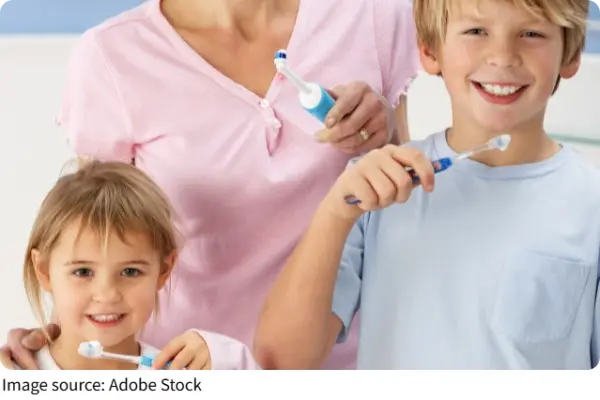
Children benefit from predictable brushing routines. Keeping brushing at consistent times each day can make the habit easier to maintain.
Calm guidance and positive encouragement can also help children develop confidence with daily tooth care. Demonstrating good brushing habits at home can reinforce the importance of regular dental hygiene.
Protect Healthy Teeth Every Day
Preventing tooth decay requires several habits working together. Twice-daily brushing with fluoride toothpaste, effective cleaning technique, appropriate supervision, limited frequent sugar exposure, and regular dental care all contribute to healthier teeth.
When proper brushing becomes part of a child's everyday routine, it helps control plaque and provides the protective benefits of fluoride. These simple preventive habits can help children maintain healthier teeth throughout childhood.