Medical Rehab Training

Simone
| 09-09-2026
 · News team
Medical rehabilitation training is a structured approach to restoring physical function after injury, surgery, illness, or a condition that affects movement and independence.
Unlike general exercise, rehabilitation is planned around a person’s clinical condition, functional abilities, limitations, and recovery goals.
Doctors help establish the medical framework for rehabilitation by assessing the person’s condition, identifying relevant risks, and determining whether rehabilitation is appropriate. They may also coordinate care with physical therapists, occupational therapists, nurses, and other qualified rehabilitation professionals.
What Is Medical Rehabilitation Training?
Medical rehabilitation training combines therapeutic exercises and functional activities designed to improve abilities affected by a health condition. Depending on individual needs, treatment may address strength, mobility, flexibility, balance, coordination, endurance, and performance of everyday activities.
“A fundamental aspect of rehabilitation is that it addresses functioning in the light of the health condition rather than being focused on disease.” — World Health Organization.
Rehabilitation programs differ according to the underlying condition and stage of recovery. A person recovering from surgery may require a substantially different program from someone receiving rehabilitation for a neurological or musculoskeletal condition. Exercises should therefore be selected according to individual clinical needs rather than based on a standard routine.
The Importance of Medical Assessment
A thorough assessment provides the foundation for appropriate rehabilitation. Doctors may review medical history, current symptoms, previous treatment, medications, physical limitations, and functional abilities. Additional examinations or tests may be considered when clinically indicated.
The findings help determine suitable activity levels, identify factors that may influence recovery, and establish a baseline for evaluating functional progress.
How Doctors Guide Rehabilitation
Doctors help determine treatment priorities and the appropriate level of medical oversight. They may refer patients to rehabilitation specialists, review their response to treatment, and reassess the medical plan when their condition changes.
Depending on individual needs, rehabilitation goals may include:
- Improving movement and mobility
- Increasing muscle strength
- Developing balance and coordination
- Improving flexibility
- Building physical endurance
- Increasing independence with daily activities
- Preparing for a gradual return to usual responsibilities
The Role of Rehabilitation Professionals
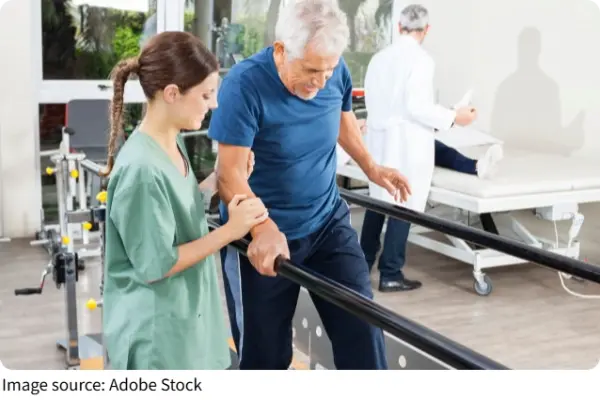
Rehabilitation is often delivered through coordinated care involving professionals with different areas of expertise. Physical therapists commonly work on movement, strength, mobility, and physical function. Occupational therapists may focus on practical skills required for everyday activities and independence.
This collaborative approach allows rehabilitation to address physical abilities and functional goals while remaining consistent with the person’s medical needs.
How Rehabilitation Progresses
Rehabilitation commonly advances from simpler, controlled activities toward more demanding movements as functional capacity improves. Early treatment may emphasize basic movement and task-specific exercises before gradually increasing resistance, duration, complexity, or activity demands.
The pace of progression should reflect the individual’s condition and response to treatment. Exercises can be modified when symptoms, tolerance, or functional abilities change.
Monitoring Recovery
Regular assessment helps the rehabilitation team determine whether treatment remains appropriate. Changes in pain, swelling, weakness, balance, fatigue, mobility, or other symptoms can provide useful information about the person’s response.
Patients should communicate significant or unexpected changes to their healthcare team rather than independently changing the prescribed program. This allows treatment to be adjusted when necessary.
The Patient’s Role in Recovery
Active participation is an important part of rehabilitation. Patients should follow their prescribed program, use appropriate exercise techniques, attend recommended appointments, and allow adequate recovery between sessions.
Clear communication with the healthcare team is equally important. Reporting difficulties or changes in physical ability helps professionals make informed decisions about treatment.
Returning to Daily Function
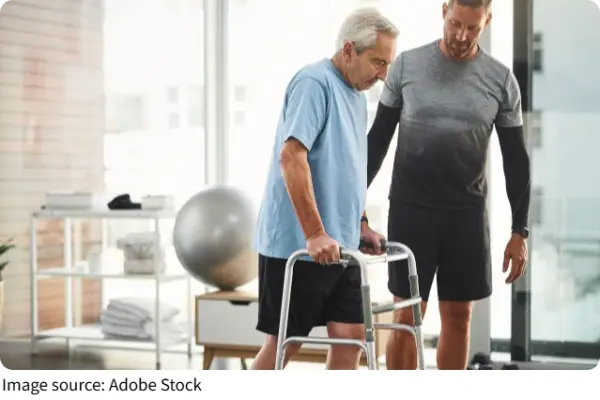
Restoring independence is a central objective of rehabilitation. Treatment may progressively prepare a person for walking, household activities, work-related responsibilities, recreational activities, and other routine tasks.
The timing of these activities depends on the underlying condition, treatment response, and level of functional recovery. Activities that place greater physical demands on the body may require professional assessment before being resumed.
When Medical Attention Is Necessary
The appropriate level of supervision depends on the person’s condition and rehabilitation needs. New, severe, persistent, or worsening symptoms should be discussed with a healthcare professional.
Chest pain, difficulty breathing, sudden weakness, loss of consciousness, or other symptoms suggesting an acute medical problem require prompt medical attention rather than continued exercise.
Medical rehabilitation training provides a structured pathway for recovering physical abilities and improving independence. Doctors establish the medical direction of care, while rehabilitation professionals provide targeted therapeutic and functional training.
When treatment is appropriately assessed, progressively developed, and regularly evaluated, rehabilitation can help support a safe and effective return to daily function.