Kids Exercise for Growth

Nora
| 09-09-2026
 · News team
Regular physical activity is a fundamental part of healthy childhood development.
Appropriate movement helps children develop coordination, strength, endurance, and essential motor skills while supporting overall well-being.
Active play, recreational activities, and sports can provide valuable opportunities for children to move, explore, and develop confidence in their physical abilities.
Why Exercise Matters for Children
Childhood is a period of rapid growth and development. Regular movement helps children develop fundamental motor skills and physical fitness while giving them opportunities to practice balance, coordination, agility, and body control.
Physical activity can also contribute to better sleep, mood, attention, and overall well-being. Introducing enjoyable movement early in life can help children develop positive habits that remain part of their routines as they grow.
How Much Activity Do Children Need?
Activity recommendations depend on age.
Children ages 3 to 5 should be physically active throughout the day, mainly through active play and everyday movement. Children and adolescents ages 6 to 17 should generally complete at least 60 minutes of moderate-to-vigorous physical activity each day.
For ages 6 to 17, most daily activity should be aerobic. Vigorous-intensity activity, muscle-strengthening activity, and bone-strengthening activity should each be included on at least three days per week.
The 60-minute daily target does not have to be completed in one continuous session. Walking, cycling, swimming, playground activities, active games, and sports can all contribute to the daily total.
Age-Appropriate Activities for Younger Children
For preschool children, active play is usually more suitable than formal exercise routines. Running, jumping, climbing, dancing, throwing, catching, and playground activities provide natural ways to develop coordination, balance, agility, and movement skills.
Caregivers can encourage children to explore different activities without placing unnecessary pressure on performance. The focus should be on creating regular opportunities for movement that are appropriate for the child’s developmental stage.
Activities for School-Age Children
As children develop, they can participate in a wider range of recreational and organized activities. Suitable options include:
- Walking or brisk walking
- Cycling
- Swimming
- Running
- Dancing
- Gymnastics
- Jumping rope
- Playground activities
- Hiking
- Team and individual sports
A varied routine allows children to practice different physical skills and discover activities they enjoy.
Aerobic Activity and Cardiovascular Fitness
Aerobic activities increase heart rate and breathing and help develop cardiovascular fitness. Running, swimming, cycling, active games, and many sports can provide moderate-to-vigorous aerobic activity.
Children do not need to participate in competitive sports to benefit. Everyday movement and recreational activities can provide meaningful opportunities to improve fitness and maintain an active routine.
Activities That Build Strength
Children can develop muscular strength through movements that involve climbing, pushing, pulling, lifting, or supporting their own body weight.
Playground climbing, gymnastics, and age-appropriate body-weight activities can provide suitable opportunities to develop strength. For younger children, active play naturally incorporates many movements that challenge muscles while developing coordination.
When structured strength training is introduced, it should reflect the child’s developmental stage, physical abilities, and technique. Appropriate instruction and supervision can help children perform exercises safely.
Bone-Strengthening Movement
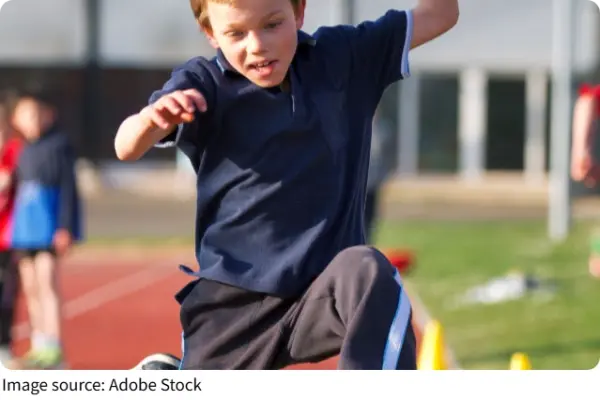
Running, jumping, and other weight-bearing activities can support healthy physical development and strength. Jumping rope, gymnastics, running, and certain sports are examples of activities that provide this type of movement.
For children and adolescents ages 6 to 17, bone-strengthening activity should be included at least three days each week as part of their overall physical activity.
Choosing the Right Activities
Children have different abilities, interests, developmental needs, and fitness levels. Activity choices should therefore be flexible rather than based on a single exercise routine.
Children with ongoing health conditions, disabilities, previous injuries, or specific physical needs may require individualized guidance. A qualified pediatric health professional can recommend suitable activities and identify appropriate modifications when necessary.
Making Movement Enjoyable
Enjoyment can encourage children to participate consistently. Caregivers can support this by joining active games, planning family activities, providing opportunities for outdoor play, and allowing children to try different recreational activities.
“It is important to provide young people opportunities and encouragement to participate in physical activities that are appropriate for their age, that are enjoyable, and that offer variety.” — U.S. Department of Health and Human Services.
Exercise is most beneficial when it is presented as a positive part of everyday life rather than as punishment or compensation for eating. Emphasizing enjoyment, skill development, confidence, and well-being can encourage a healthy approach to physical activity.
Keeping Children Safe During Exercise
Activities should match the child’s age, experience, coordination, and physical abilities. Supervision and appropriate protective equipment should be used when necessary.
Additional precautions may be needed for activities involving water, wheels, heights, speed, or an increased risk of falling. Children should also have adequate opportunities to rest between demanding activities.
If a child develops unusual or persistent symptoms during physical activity, such as dizziness, fainting, chest discomfort, significant breathing difficulty, or unexplained pain, caregivers should seek appropriate medical advice.
Building Movement Into Daily Life
Physical activity does not always require a formal exercise session. Walking, outdoor play, dancing, cycling, recreational activities, and sports can naturally add movement to a child’s day.
Caregivers, schools, and communities can help by creating safe and accessible opportunities for children to be active. The aim is to develop physical skills, confidence, and sustainable habits rather than focusing exclusively on athletic performance.
Regular movement provides an important foundation for healthy childhood development. Age-appropriate active play, aerobic exercise, strength-building activities, and bone-strengthening movement can help children develop physical fitness and essential movement skills. By offering enjoyable choices, maintaining safe conditions, and adapting activities to individual needs, caregivers can help children build healthy habits that support their well-being throughout childhood and beyond.