Smartwatches for Daily Care

Vivienne
| 23-09-2026
 · News team
Regular physical activity plays an important role in cardiovascular health, physical function, sleep, and healthy aging.
Smartwatches can complement an active lifestyle by collecting information about movement, exercise, and heart rate, giving users a clearer view of their daily activity.
Tracking Daily Movement
Smartwatches use motion sensors to detect changes in movement throughout the day. Depending on the device, they can estimate steps, distance, activity duration, and periods of exercise.
This information can make everyday movement easier to understand. Instead of relying on memory, users can review activity records and identify how much movement occurs during different parts of the day.
Step counts can provide a simple measure of movement, but they do not describe every aspect of physical activity. Activity duration, exercise frequency, distance, and changes in movement patterns can provide additional context.
Monitoring Exercise
During exercise, compatible smartwatches can record measures such as duration, pace, distance, and heart rate. Some devices can also recognize particular forms of exercise and organize recorded sessions for later review.
Tracking exercise sessions can help users understand how their routines vary from one session to another. For example, reviewing duration and heart-rate information together can provide a broader picture of how the body responds during different levels of activity.
Regularly recording exercise can also make it easier to identify patterns. Users may notice when activity becomes more consistent or when their routines change because of differences in schedule, exercise type, or daily movement.

Understanding Heart Rate
Many smartwatches use optical sensors to estimate heart rate by detecting changes in light associated with blood flow near the skin.
The American Heart Association notes: “Wearable devices are increasingly used by a growing portion of the population to track health and illnesses.”
Heart rate naturally changes throughout the day. During physical activity, it generally increases as the body requires more oxygen and energy. The level of increase can vary according to exercise intensity, fitness level, activity type, and individual characteristics.
Heart-rate information can therefore add useful context to exercise records. Looking at heart rate alongside activity duration and movement can provide a more complete picture than considering any single measurement by itself.
However, smartwatch heart-rate readings are estimates rather than clinical measurements. Movement, sensor contact, device position, and the type of activity can affect the recorded result. For this reason, wearable data is most appropriately viewed as information for activity monitoring rather than as a substitute for professional health assessment.
Interpreting Activity Data
A single measurement provides only a limited view of physical activity. Looking at records across several days or weeks can make broader patterns easier to recognize.
Longer-term information can show how frequently exercise occurs, how much movement takes place during the day, and whether activity patterns remain consistent. This can help users develop a clearer understanding of their routines without placing excessive importance on one daily number.
Different measurements can also complement one another. For example, step counts can describe general movement, exercise duration can show time spent in planned activity, and heart-rate information can provide additional context during exercise.
Supporting an Active Routine
Physical activity can take many forms, including walking, cycling, recreational activities, and structured exercise. Movement throughout the day can contribute to an active routine alongside dedicated exercise sessions.
A smartwatch can bring selected activity information together in one place, making it easier to review daily and exercise-related patterns. This can be particularly useful for people who prefer having a simple record of their routines.
The technology itself does not create the health benefits associated with physical activity. Its role is to provide information that can help users understand and monitor the activity they are already performing.
Using Wearable Data Appropriately
Smartwatch information is most useful when interpreted in context. Measurements can vary depending on the device, sensor position, movement, activity type, and other conditions.
Users can therefore focus on general patterns rather than expecting every measurement to be perfectly precise. Consistent records may provide more meaningful information about activity habits than isolated readings.
For people managing a health condition or using wearable measurements for a specific health purpose, professional guidance can help determine how the information should be interpreted.
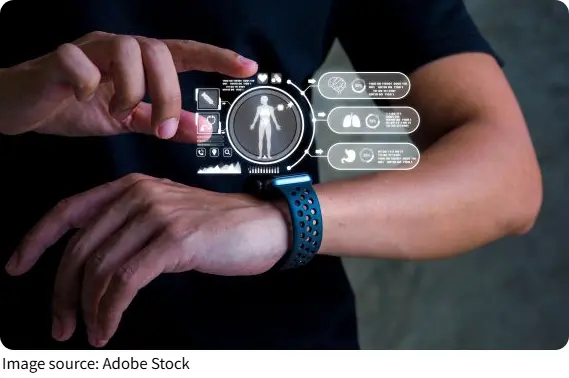
Smartwatches provide a convenient way to monitor selected aspects of daily movement, exercise, and heart-rate patterns. Their ability to collect activity information can help users better understand how physical activity fits into their routines.
When activity data is viewed over time and considered alongside regular movement and healthy daily habits, wearable tracking can serve as a practical tool for supporting awareness of physical well-being.