Nature Walks for Calm

Mariana Silva
| 23-09-2026
 · News team
A walk in a natural setting can be more than a form of physical activity.
Time spent among trees, gardens, parks, or open green spaces can create a quiet break from daily routines while encouraging gentle movement.
For many people, nature walking can become an accessible habit that supports relaxation and overall well-being.
A Natural Pause in a Busy Day
Moving through a green space provides a change of surroundings and creates distance from work, screens, and everyday responsibilities. Walking at an unhurried pace allows attention to shift toward scenery, natural sounds, and the surrounding environment.
This change of setting can make an outdoor walk feel restorative without requiring a demanding workout or a long route.
Supporting Stress Management
Physical activity is an important part of a healthy lifestyle, and walking offers an accessible way to stay active. Spending time in natural environments may provide additional opportunities for relaxation and mental recovery.
The World Health Organization states: “Green urban areas facilitate physical activity and relaxation, and form a refuge from noise.”
Nature exposure has also been associated with improvements in perceived stress and aspects of psychological well-being, although individual responses can vary.
Encouraging Emotional Balance
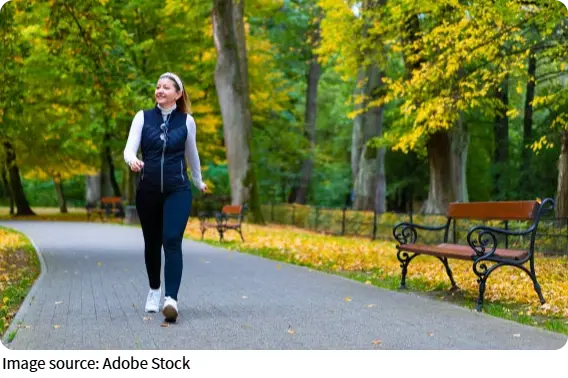
Nature walking can provide personal time within the day. Focusing on scenery, natural sounds, and the rhythm of walking can encourage greater awareness of the present moment.
These simple experiences may contribute to a sense of calm and emotional balance. Nature walks can be included alongside other healthy habits as part of an overall approach to well-being.
Combining Relaxation With Movement
A nature walk can support relaxation while also contributing to daily physical activity. Walking at a comfortable or moderate pace engages the body and can contribute to cardiovascular fitness.
Those beginning a walking routine can choose a manageable route and gradually increase their walking time as their fitness and comfort develop. Comfortable footwear, suitable clothing, water, and basic route planning can make the experience more convenient.
Creating a Sustainable Habit
A walking routine does not need to involve long distances to become meaningful. A realistic schedule is easier to maintain and can fit naturally into everyday life.
Choosing an accessible location and setting aside regular time for walking can help establish consistency. When time is limited, a shorter walk can still provide an opportunity for movement and outdoor exposure.
Final Thoughts
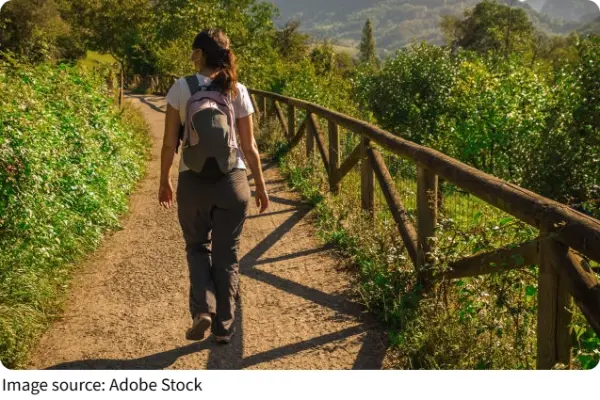
Nature walking combines gentle physical activity with time in natural surroundings. It may support relaxation, stress management, emotional well-being, and regular movement as part of a balanced lifestyle.
Choosing comfortable routes and maintaining a realistic routine can make outdoor walking a practical and sustainable wellness habit.