Simple Relief For Knee Pain

Sophie
| 22-09-2026
 · News team
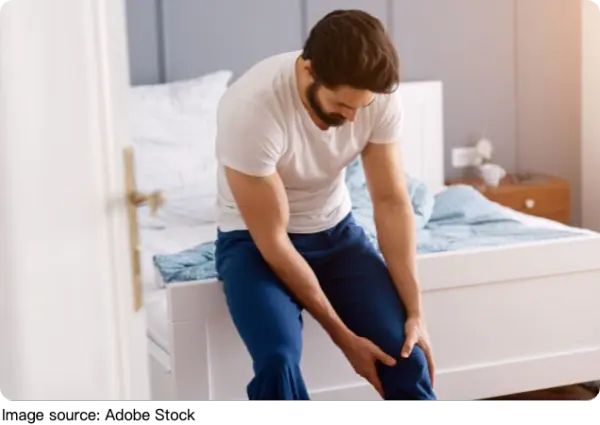
Knee pain is one of the most common problems affecting mobility, especially as people get older. For many individuals, everyday activities such as walking, climbing stairs or standing for long periods can become increasingly difficult because of stiffness and discomfort.
A large new analysis suggests that some of the most effective solutions may not involve expensive technology or complicated treatments. Instead, simple approaches such as knee braces, water-based therapy and regular exercise appear to provide significant benefits for people living with knee osteoarthritis.
Thousands Of Patients Reveal What Helps
Researchers analysed data from 139 clinical trials involving nearly 10,000 participants to compare different non-drug treatments for knee osteoarthritis. The study examined 12 approaches, including exercise programmes, hydrotherapy, supportive devices, electrical stimulation, laser therapy and ultrasound treatments.
Rather than looking at each therapy separately, scientists used a network meta-analysis, a method that allows multiple treatments to be compared using results from different studies.
The findings showed that several accessible treatments performed strongly, particularly those focused on improving movement, reducing discomfort and supporting the joint during daily activities.
Knee Braces Show Strong Results
Among the treatments studied, knee braces ranked particularly highly. Researchers found that braces were associated with improvements in several important areas, including reduced pain, less stiffness and better physical function.
A knee brace can provide additional support by helping stabilise the joint and reduce stress during movement. For some patients, this may make everyday activities more comfortable without relying only on medication.
Experts explain that supportive treatments can be valuable because they allow people to remain active while managing symptoms. Maintaining movement is considered important for preserving mobility and preventing further decline in physical function.
Water Therapy Eases Joint Pressure
Hydrotherapy, which involves performing exercises in warm water, was another treatment that showed strong results, particularly for reducing pain.
Water-based exercise can be easier for people with joint problems because buoyancy reduces pressure on the knees while still allowing muscles to become stronger. Warm water may also help relaxation and improve comfort during movement.
This approach is often considered suitable for people who find traditional exercise difficult because of joint discomfort.
Exercise Remains A Key Solution
Regular exercise was also consistently linked with improvements in both pain levels and physical ability. Researchers found that movement-based programmes can help people maintain strength and improve how their joints function.
Although some people with knee osteoarthritis may avoid activity because they fear increasing pain, specialists suggest that carefully planned exercises can have the opposite effect by supporting the muscles around the joint.
The goal is not necessarily intense training but regular, controlled movement adapted to individual abilities.
High-Tech Treatments Do Not Always Mean Better Results
The research also examined more advanced treatments, including high-intensity laser therapy, shock wave therapy and ultrasound.
Some technologies showed potential benefits in specific areas. However, ultrasound consistently ranked among the least effective approaches compared with other treatments.
The results suggest that newer or more complex technologies are not automatically more successful than simple, established methods.
A Safer Alternative To Long-Term Medication
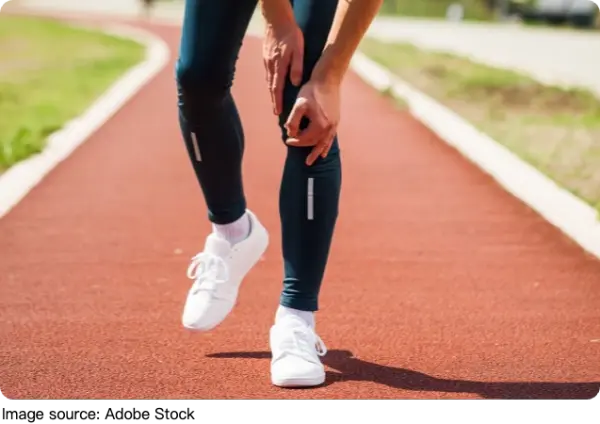
Many people with knee osteoarthritis use anti-inflammatory medicines to manage symptoms. However, researchers note that some medications may carry risks, including gastrointestinal and cardiovascular concerns, particularly with long-term use.
The new findings highlight the importance of considering non-drug options that can support pain management while encouraging mobility.
Researchers emphasise that the results should not be viewed as a final ranking of treatments. The studies included different participant groups, treatment periods and research methods, which means more investigation is needed.
However, the analysis provides encouraging evidence that affordable and accessible approaches can play an important role in managing knee osteoarthritis.
For many patients, the best solution may not come from the most advanced technology, but from consistent support, gentle movement and treatments that fit naturally into everyday life.