Tennis for Better Fitness

Pardeep Singh
| 30-09-2026
 · News team
Tennis combines cardiovascular activity with frequent changes in direction, racquet control, and whole-body movement.
For beginners, regular practice can provide an enjoyable way to become more physically active while developing fundamental movement skills.
A structured approach can make practice more productive. Suitable equipment, sound technique, manageable intensity, and adequate recovery provide a practical foundation for developing tennis skills while supporting physical fitness.
Choose Suitable Equipment
The right equipment can make practice more comfortable and manageable. Beginners should choose a racquet that feels balanced in the hand and provides good control. A larger racquet head can offer a wider hitting area, which may help new players develop more consistent contact.
Low-compression tennis balls can also be useful during early practice. They generally travel more slowly and bounce lower than standard balls, giving beginners more time to prepare for each shot.
Court-specific tennis shoes are designed for the forward, backward, and side-to-side movements involved in tennis. Comfortable clothing that allows unrestricted movement can also support an enjoyable practice session.
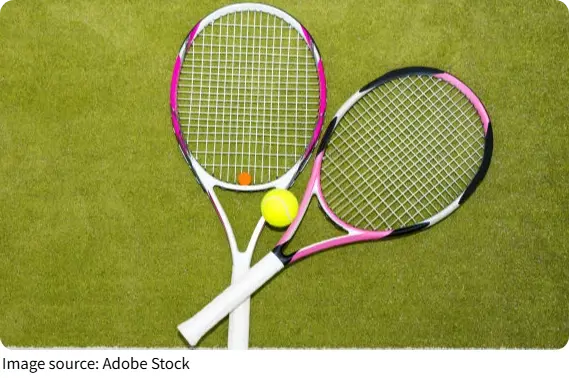
Develop Racquet Control
Effective tennis technique begins with controlled contact. Beginners can practice simple forehands and backhands from a comfortable distance, concentrating on timing, balance, and accurate ball placement rather than maximum power.
A comfortable grip is also important. Holding the racquet with appropriate pressure allows smoother swings and helps maintain control throughout the movement.
Improve Court Movement
Tennis requires frequent adjustments in position. Practicing small steps, controlled changes of direction, and a balanced stance can help beginners move efficiently around the court.
Keep the knees slightly bent while preparing for a shot and maintain a stable base during the swing. After each shot, return toward a useful court position to prepare for the next ball.
Manage Training Intensity
Beginners do not need to play a complete match during every session. Short, focused practice sessions can help players gradually become comfortable with the pace and physical demands of tennis.
Start with light movement and a gradual warm-up before practicing basic strokes. Serving and more demanding drills can be added as technique and fitness improve.
During each session, listen to your body and adjust the pace when needed. Take regular breaks, stay hydrated, and allow enough recovery time between training sessions.
“Tennis is a good sport for maintaining health, fitness, strength and agility.” — Better Health Channel.
Build Overall Fitness
Tennis combines several aspects of physical activity within one sport. Movement around the court contributes to cardiovascular activity, while repeated swings and changes in direction involve balance, coordination, agility, and muscular control.
The variety of strokes, footwork patterns, and movement speeds also provides a dynamic form of exercise. This can make tennis an engaging way to include regular physical activity in a balanced routine.
Tennis offers beginners a practical way to combine cardiovascular activity, movement, balance, and racquet skills. Starting with suitable equipment and manageable practice sessions allows players to develop their technique while becoming more comfortable on the court.
A balanced approach that includes sound technique, appropriate intensity, hydration, and recovery can help tennis become a sustainable part of an active lifestyle.