Senior Fitness Guide

Ethan Sullivan
| 13-10-2026
 · News team
Regular physical activity helps older people maintain muscle strength, mobility, cardiovascular fitness, and independence.
A balanced fitness routine can also support sleep quality, emotional well-being, and the ability to manage everyday activities.
Senior fitness does not require strenuous workouts or specialized equipment. Walking, resistance training, balance exercises, and gentle stretching offer practical ways to support physical well-being when adapted to individual abilities and health needs.
Understand the Benefits of Regular Exercise
Physical activity supports cardiovascular health, muscular function, coordination, and mobility. Maintaining these abilities can make everyday tasks more manageable and help people remain active as they age.
The Centers for Disease Control and Prevention states, “Some physical activity is better than none.” This guidance highlights the importance of starting at a comfortable level and building a consistent routine. Even short periods of movement can contribute to weekly activity goals.
Build and Maintain Muscle Strength
Muscle strength supports everyday movements such as standing up from a chair, climbing stairs, carrying groceries, and maintaining posture. Resistance training helps preserve muscle function and supports physical independence.
Practical exercises include seated leg extensions, supported sit-to-stand movements, wall push-ups, and resistance-band training. Begin with manageable resistance, maintain controlled movements, and increase the difficulty gradually as your fitness improves.
Aim for muscle-strengthening activities at least two days per week, choosing exercises suited to your physical abilities and health needs.

Improve Balance and Coordination
Balance helps maintain stability while walking, turning, reaching, and changing positions. Regular balance training can improve coordination and support confident movement.
Suitable exercises include controlled weight shifting, standing with the feet close together, and supported single-leg standing. Use a sturdy counter or another stable support when needed.
A physiotherapist or qualified exercise professional can recommend appropriate movements and help tailor a program to individual needs.
Maintain Mobility and Flexibility
Comfortable joint movement makes it easier to reach, bend, turn, and complete everyday tasks. Gentle mobility exercises help maintain range of motion and support an active lifestyle.
Shoulder circles, ankle rotations, seated knee extensions, and gentle calf stretches are practical options. Perform each movement slowly and within a comfortable range, adjusting the exercise to suit your mobility.
Strengthen Cardiovascular Endurance
Aerobic exercise helps the heart and lungs deliver oxygen to working muscles. Activities such as walking, swimming, water aerobics, and stationary cycling can improve stamina and support cardiovascular health.
For people aged 65 and older, general physical activity guidelines recommend at least 150 minutes of moderate-intensity aerobic activity each week, muscle-strengthening activities on at least two days, and regular balance exercises.
Moderate-intensity activity generally increases breathing while still allowing conversation. Beginners can start with shorter sessions and gradually increase their activity according to their abilities and health needs.
Create a Balanced Weekly Routine
A sustainable fitness plan combines different forms of movement without making exercise feel overwhelming. A weekly schedule might include walking on several days, strength training twice a week, and brief balance and mobility exercises throughout the week.
Short sessions can be spread across the day to make physical activity more manageable. Choose convenient activities you enjoy, whether walking outdoors, exercising at home, or joining a suitable fitness class.
Consistency and gradual progress help establish a routine that can be maintained over time.
Exercise With Confidence
Choose supportive footwear, use stable equipment, keep exercise spaces clear, and stay hydrated. Begin each session with a gentle warm-up and allow time for recovery.
People with ongoing health conditions, mobility limitations, or questions about exercise suitability should consult a healthcare professional for personalized guidance.
Pay attention to how you feel during physical activity. Chest pain, faintness, or unusual shortness of breath require prompt medical assessment; severe or sudden symptoms may require emergency care.
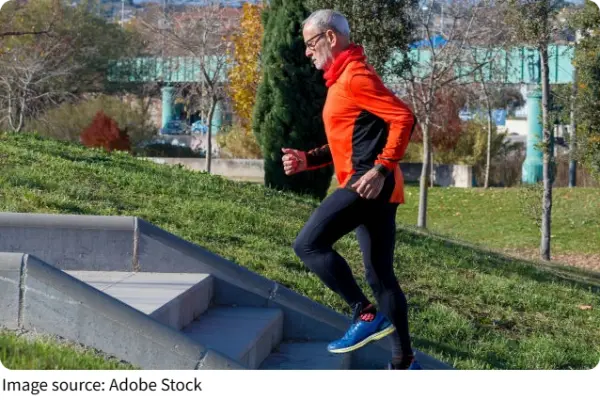
Make Fitness Part of Healthy Aging
Senior fitness focuses on maintaining the physical abilities needed for an active, independent life. Combining aerobic activity, strength training, balance exercises, and mobility work provides a practical foundation for healthy aging.
Start at a comfortable level, select activities suited to your needs, and progress gradually. A consistent, well-adapted routine can help preserve physical function and support everyday well-being.