Graphene Finds Brain Damage

Kenji
| 12-10-2026
 · News team
A breakthrough in neuroscience could change how doctors monitor brain injuries caused by disrupted blood circulation.
Researchers have developed highly sensitive graphene sensors capable of detecting electrical changes that reveal which areas of the brain remain healthy and which face a greater risk of permanent damage.
The research, published in the scientific journal Brain, involved scientists from the University of Manchester and collaborating institutions. Although the technology has been tested in mice, the findings could eventually support more accurate neurological monitoring and treatment.
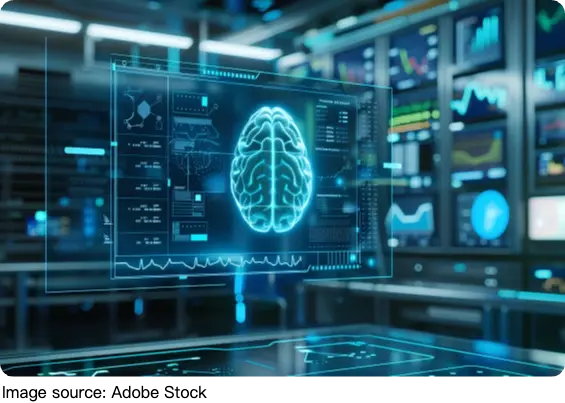
Why Brain Damage Can Continue To Develop
When a blood vessel supplying the brain becomes blocked, affected cells lose access to oxygen and essential nutrients. Without adequate circulation, normal brain activity becomes increasingly difficult to maintain.
The initial interruption of blood flow can also trigger harmful processes in surrounding tissue.
One important mechanism involves abnormal electrical waves known as cortical spreading depolarisations. These waves travel through brain tissue, temporarily disrupting cellular activity and increasing energy requirements.
In regions where oxygen supplies are already limited, repeated electrical disturbances can contribute to additional damage.
Understanding these processes could help researchers identify vulnerable tissue before its condition deteriorates further.
How Graphene Sensors Monitor Brain Activity
Graphene is an extremely thin material consisting of a single layer of carbon atoms. Its remarkable electrical properties make it suitable for highly sensitive monitoring devices.
Researchers used arrays of graphene-based sensors to record electrical activity from the brains of mice experiencing experimentally induced reductions in cerebral blood flow.
The devices captured extremely slow electrical signals that conventional monitoring equipment can struggle to detect accurately.
By examining the characteristics of these signals, scientists could distinguish between relatively healthy regions, vulnerable tissue and areas experiencing severe injury.
This approach could eventually provide doctors with a more detailed picture of changing neurological conditions.
What Blood Circulation Revealed
The research team combined electrical recordings with imaging techniques that measured blood flow and oxygen availability.
Their observations revealed that abnormal electrical waves could produce different vascular responses depending on the condition of surrounding tissue.
In healthier regions, blood vessels sometimes widened, allowing circulation to increase.
However, in areas already experiencing oxygen deprivation, similar electrical disturbances could cause blood flow to decrease further.
These harmful responses may intensify cellular stress and contribute to additional injury.
The researchers also identified electrical signal patterns associated with different vascular reactions, suggesting that monitoring brain activity could help predict changes in tissue condition.
Experts Explain The Findings
Dr Samuel Flaherty, the study's lead author from the University of Manchester, explained that graphene-based monitoring could eventually help clinicians identify vulnerable brain regions as damage develops.
He suggested that more detailed information about tissue condition might allow medical teams to target interventions more precisely.
Co-author Dr Rob Wykes, affiliated with the University of Manchester and UCL Queen Square Institute of Neurology, highlighted the importance of detecting electrical activity that traditional recording methods may overlook.
According to the researchers, these signals could provide valuable insights into how brain tissue responds to restricted circulation.
Could Existing Medicines Help?
The scientists also investigated ketamine, a medicine already used in clinical practice, to determine whether it could influence harmful electrical activity.
In experiments involving mice, low doses shortened abnormal electrical events, improved certain blood flow responses and reduced the extent of brain injury.
These results suggest that controlling electrical disturbances might help protect vulnerable tissue. However, the findings remain experimental. Further studies are required to establish whether similar benefits can be achieved safely in humans.
What This Discovery Means For Medicine
The research provides new insights into the relationship between electrical activity, oxygen availability and blood circulation in the brain. Future developments could allow graphene sensors to support neurological monitoring, helping clinicians recognise dangerous changes and evaluate treatment responses. The technology may also prove useful for studying other conditions involving abnormal electrical waves.
For now, the findings demonstrate how advanced materials could improve scientists' understanding of brain injury and support the development of more precise medical treatments.