Can Statins Protect Vision?

Declan Kennedy
| 18-10-2026
 · News team
A medicine prescribed to protect the heart could have another potential benefit: reducing the risk of glaucoma. Researchers have identified an association between statin use and a lower likelihood of developing this serious eye condition, which can cause permanent vision loss.
The findings, published in the British Journal of Ophthalmology, also suggest that people taking statins may be less likely to require certain glaucoma treatments. However, scientists caution that the results do not prove the medicines directly protect eyesight.

Understanding Glaucoma
Glaucoma affects approximately 95 million people worldwide. It damages the optic nerve, which carries visual information from the eyes to the brain.
The condition often develops gradually, sometimes without noticeable symptoms during its early stages. Without appropriate treatment, it can lead to irreversible sight loss.
Age, family history and elevated eye pressure are among the recognised risk factors. Researchers have also investigated possible connections between glaucoma and cardiovascular health, including cholesterol levels.
Current treatments primarily aim to reduce pressure inside the eye through medication, laser procedures or surgery.
What The Study Found
Scientists analysed medical records from approximately 210,000 adults aged over 40 who had used statins. Their outcomes were compared with those of a matched group who had never taken these medicines.
After five years, statin users had a 15% lower relative risk of developing open-angle glaucoma, the most common form of the condition. At the ten-year follow-up, the associated reduction was 10%. The researchers also examined whether statin use was linked to the need for glaucoma procedures. After five years, statin users showed a 36% lower relative risk of incisional glaucoma surgery and a 55% lower risk of minimally invasive glaucoma surgery.
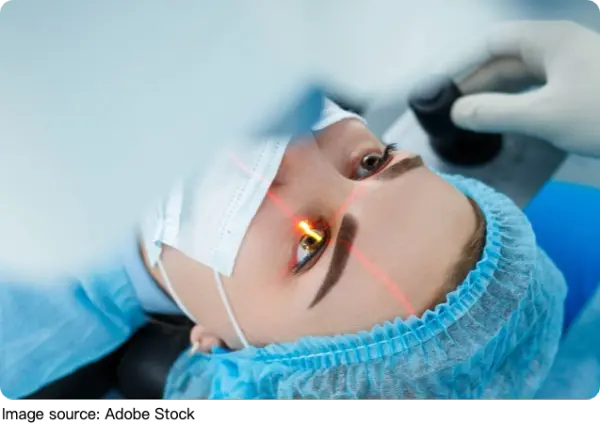
The associated risk of undergoing selective laser trabeculoplasty, a procedure used to lower eye pressure, was 60% lower.
These figures describe differences between groups rather than guaranteed protection for individual patients.
What Eye Specialists Think
Lead researcher Robert N. Weinreb, an ophthalmology professor at the University of California San Diego, suggested that the findings could eventually support the use of statins alongside established glaucoma treatments. He emphasised that they should not replace medicines or procedures designed to reduce eye pressure.
Ophthalmologist Benjamin Bert, who was not involved in the study, considered the results particularly interesting because some patients experience worsening glaucoma despite adequate pressure control.
Another independent specialist, Daniel Liebman of Massachusetts Eye and Ear, noted that the research was substantial but observational. He cautioned that it could not establish a direct protective effect.
Should People Take Statins?
The findings do not justify starting statins solely to prevent glaucoma. Researchers must still determine whether the association reflects a genuine treatment benefit or differences between people who take statins and those who do not.
Randomised clinical trials could provide stronger evidence.
Meanwhile, regular eye examinations remain important, particularly for people with recognised glaucoma risk factors.
Anyone already prescribed statins should continue following their clinician's advice rather than changing treatment based on these findings.
The study opens an intriguing possibility for future eye care: medicines developed for one health problem may eventually contribute to protecting another essential part of the body.