Sunlight and Healthy Aging

Maya
| 22-10-2026
 · News team
Natural daylight influences several biological processes that contribute to healthy aging, including vitamin D production, sleep-wake regulation, and daily activity.
For older people, understanding these effects can help inform routines that support physical function, restful sleep, and psychological well-being.
Age-related changes can affect how the body produces vitamin D and regulates sleep. A balanced approach that combines appropriate daylight exposure, nutritious food, physical activity, and individualized healthcare can help maintain health and independence.
1. Vitamin D Production and Skeletal Health
Ultraviolet B (UVB) radiation initiates vitamin D production in the skin. Vitamin D helps the body absorb calcium and phosphorus, which are essential for maintaining skeletal strength and normal muscle function.
The skin generally becomes less efficient at producing vitamin D with age. Limited outdoor activity and inadequate dietary intake may further increase the likelihood of insufficient levels.
Oily fish, egg yolks, and vitamin D-fortified foods provide dietary sources of this nutrient. Supplements may be appropriate when dietary intake is insufficient or individual requirements warrant them. A healthcare professional can help determine whether supplementation or testing is suitable.
2. Circadian Rhythm and Sleep Regulation
The circadian rhythm is the body's internal timing system, which regulates the sleep-wake cycle and influences daily alertness. Light entering the eyes helps synchronize this system with the natural day-night cycle.
Exposure to daylight in the morning can reinforce daytime alertness and support a consistent sleep schedule. Maintaining regular waking hours and a calming evening routine can further promote healthy sleep patterns.
Sleep is also influenced by medications, physical activity, underlying health conditions, and the sleeping environment. Persistent sleep difficulties can be assessed by a healthcare professional to identify contributing factors and appropriate support.

3. Mood and Psychological Well-Being
Light exposure affects biological processes associated with alertness and mood regulation. Spending time outdoors can also encourage movement, relaxation, and social interaction, contributing to an enjoyable and structured daily routine.
Walking in a garden, tending plants, or meeting friends provides opportunities for gentle activity and meaningful engagement. Activities should suit individual mobility, balance, and health needs.
Daylight can complement other measures that support emotional well-being, including regular routines, physical activity, and social connection.
4. Vitamin D and Immune Function
Vitamin D contributes to normal immune system function. Maintaining adequate levels supports this role alongside balanced nutrition, sufficient sleep, physical activity, and preventive healthcare.
Vitamin D status depends on dietary intake, sunlight exposure, absorption, and individual health circumstances. Spending more time in direct sunlight does not necessarily improve immune function, making a balanced approach to vitamin D intake important.
People who may have insufficient vitamin D can discuss their dietary needs, risk factors, and the suitability of testing or supplementation with a healthcare professional.
5. Muscle Function, Mobility, and Balance
Maintaining strength and mobility helps older people carry out everyday activities and preserve independence. Vitamin D supports normal muscle function, while adequate protein, calcium, and other essential nutrients contribute to overall physical health.
Regular exercise can help maintain strength, coordination, and balance. Depending on individual ability, suitable options include walking, supervised strength exercises, and balance training.
Daylight can make outdoor activity more inviting and help establish a consistent exercise routine. People with mobility limitations or existing health conditions can seek professional guidance to select appropriate activities.
6. Safe Exposure to Natural Light
Beneficial daylight exposure should be balanced with protection against excessive ultraviolet radiation. UV intensity varies according to the time of day, season, location, cloud cover, and other environmental factors. Consequently, there is no single sunlight-exposure duration that guarantees adequate vitamin D production for everyone.
When the ultraviolet index reaches 3 or above, protective measures are recommended. These include seeking shade, wearing protective clothing, applying broad-spectrum sunscreen, and using sunglasses that block UVA and UVB rays.
The World Health Organization states: “Sun protection measures should be used when the UVI reaches 3 or above.”
Hydration and comfortable outdoor conditions are also important, particularly in warm weather. Shaded seating areas can make it easier for people with limited mobility to enjoy daylight safely.
Ordinary window glass blocks most UVB radiation needed for vitamin D production. However, natural daylight indoors can still provide light signals that help regulate the circadian rhythm.
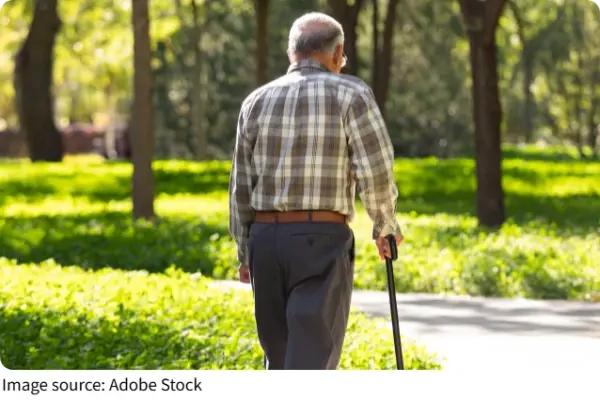
Natural daylight supports vitamin D production and helps regulate the body's internal clock, making it a valuable part of a healthy aging routine. Combined with appropriate nutrition, regular physical activity, and consistent sleep habits, it can contribute to physical function and overall well-being.
By choosing suitable activities, protecting the skin from excessive UV exposure, and seeking individualized medical guidance when necessary, older people can incorporate daylight into their daily lives in a practical and health-conscious way.