Safe Exercise for Seniors

Mei
| 22-10-2026
 · News team
Regular physical activity helps older people maintain strength, support cardiovascular health, improve balance, and preserve independence.
A suitable exercise routine combines aerobic activities, muscle strengthening, and balance training to support mobility and overall well-being.
The key is to choose activities that match individual abilities, increase activity gradually, and allow enough time for recovery. With a consistent and personalized approach, exercise can become a sustainable part of everyday life.
Choose Exercises That Suit Your Needs
Different activities support different aspects of physical fitness. Walking and cycling improve cardiovascular endurance, while strength exercises help maintain the muscles needed for standing, climbing stairs, and completing daily tasks.
Balance exercises develop coordination and stability, helping support confident movement. Combining these activities creates a well-rounded routine that can be adapted to individual fitness levels, mobility, and health needs.
Build a Consistent Exercise Routine
Start with short, manageable sessions and gradually increase their duration or intensity as fitness improves. Breaking activity into shorter periods throughout the day can make exercise easier to maintain.
The World Health Organization emphasizes the importance of regular movement, stating: “All older adults should undertake regular physical activity.”
For people aged 65 and older, general physical activity guidelines recommend 150–300 minutes of moderate-intensity aerobic activity each week. Muscle-strengthening exercises involving the major muscle groups are recommended on at least two days per week. Activities that emphasize functional balance and strength are also recommended on three or more days per week.
These recommendations provide general targets rather than immediate requirements. Beginners can work toward them at a comfortable pace, adjusting their routine as their fitness and confidence develop.
Prepare for Comfortable Movement
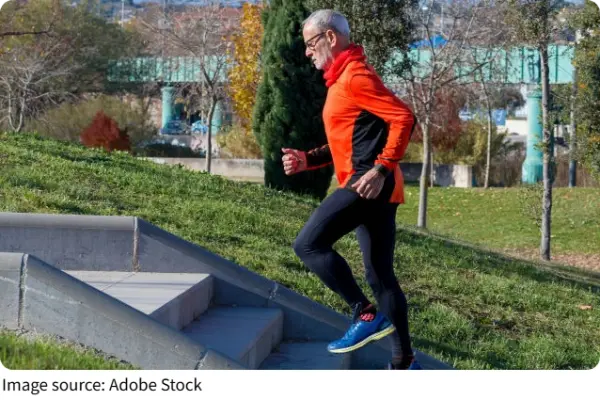
Begin each session with a gentle warm-up, such as walking slowly and moving the arms, shoulders, and legs through comfortable ranges of motion. Gradually increasing activity helps prepare the body for exercise.
Maintain controlled movements, use appropriate techniques, and learn how to operate exercise equipment before increasing resistance. At the end of a session, reduce the pace gradually.
Supportive footwear, comfortable clothing, adequate lighting, and a stable exercise surface can help create a suitable environment for physical activity.
Strengthen Balance and Mobility
Functional exercises help develop the coordination and strength required for everyday movements. Examples include standing up from a sturdy chair, performing supported heel raises, and practicing simple balance movements near a stable support.
Choose exercises according to your abilities and use support when needed. Anyone who experiences difficulty with balance or mobility can benefit from guidance from a qualified healthcare or exercise professional who can recommend appropriate movements and progression.
Support Hydration and Recovery
Drink water regularly throughout the day, especially during physical activity and warm weather. Outdoor exercise is often more comfortable during cooler parts of the day, and taking breaks helps maintain a manageable pace.
Allow sufficient recovery between strength-training sessions and alternate more demanding activities with lighter movement. People who have been given specific fluid restrictions should follow their individualized medical guidance.
Adapt Exercise to Your Health
Health conditions, medication effects, and changes in mobility can influence exercise tolerance. People returning to physical activity after an extended break may benefit from professional guidance to establish a suitable starting level.
Stop exercising if dizziness, chest discomfort, unusual shortness of breath, or sudden weakness develops. Severe or persistent symptoms require prompt medical assessment. Seek appropriate advice before resuming exercise when symptoms or individual health circumstances warrant it.
Make Movement Part of Daily Life
Everyday activities offer practical opportunities to stay active. Walking to nearby destinations, gardening, taking movement breaks, and participating in suitable community activities can complement planned exercise sessions.
Set realistic goals and monitor progress in a way that feels encouraging. Choosing enjoyable activities and exercising with friends or family can also help establish a lasting routine.

Build a Healthier, More Active Future
Regular physical activity supports strength, cardiovascular fitness, balance, and independence as people age. A combination of aerobic exercise, muscle strengthening, and balance practice provides a practical foundation for maintaining mobility and participating in everyday activities.
Lykkers, encourage the older people in your life to find enjoyable movements that suit their abilities and personal goals. Starting gradually and maintaining a consistent routine can help make an active lifestyle a rewarding part of healthy aging.