The Secret to Healthy Ageing

Hiro
| 22-10-2026
 · News team
Staying active becomes increasingly important with age, particularly when maintaining muscle and mobility is a priority. New research suggests that high-intensity interval training (HIIT) may offer a valuable advantage for older adults hoping to reduce body overweight without losing lean tissue.
Researchers at Australia's University of the Sunshine Coast found that different exercise intensities produced modest reductions in overweight, but only HIIT preserved lean mass in their six-month study.
The findings, published in the journal Maturitas, highlight why body composition can matter more than weight alone.

What The Research Discovered
The study involved 123 healthy older adults from the Greater Brisbane region, with an average age of 72. Participants attended three supervised exercise sessions weekly for six months. Each session lasted 45 minutes. They followed high-intensity interval training, moderate-intensity exercise or a low-intensity programme. Researchers assessed body composition at the beginning, midpoint and end of the study.
Both high- and moderate-intensity exercise significantly reduced body overweight. However, participants performing moderate exercise experienced a small reduction in lean mass. Those following HIIT maintained their lean tissue while losing overweight.
Why Muscle Preservation Matters
Ageing is commonly accompanied by gradual declines in muscle mass and strength. Maintaining healthy muscles supports walking, climbing stairs, balance and everyday independence. Researchers suggest that HIIT may provide a stronger stimulus for preserving muscle because it repeatedly challenges the body through demanding exercise.
However, the scans measured lean tissue rather than muscle strength directly. Lean mass also includes water and other tissues, meaning the results cannot establish whether participants became physically stronger. The researchers also cautioned that the observed improvements were relatively small.
Can Exercise Reduce Abdominal Overweight?
The study identified another potential benefit involving overweight stored around internal organs. Both high- and moderate-intensity exercise improved participants' abdominal overweight composition. This is important because excessive visceral overweight has been associated with cardiovascular disease, insulin resistance and other metabolic conditions.
Unlike ordinary body weight measurements, body composition assessments reveal how overweight and lean tissue are distributed. Losing overweight while preserving muscle may therefore represent a more favourable outcome than weight reduction alone.
Is Intense Exercise Always Better?
Additional research suggests that HIIT is beneficial, although it is not necessarily superior for everyone.
A 2026 scientific review examining 25 reports involving approximately 2,818 participants identified improvements in cardiovascular fitness among older adults practising interval training. However, the review found insufficient evidence that HIIT consistently outperformed moderate-intensity exercise.
Another trial involving older adults found that both interval training and continuous moderate exercise improved body composition when combined with resistance training. These findings suggest that exercise intensity is only one factor influencing healthy ageing.
How Older Adults Can Stay Active
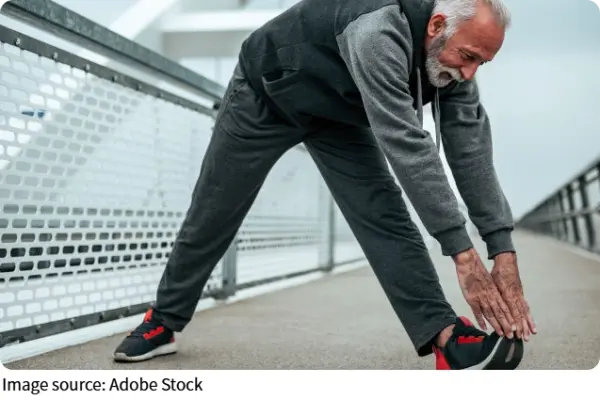
HIIT alternates short periods of demanding activity with easier recovery intervals. However, older adults should choose exercise programmes appropriate to their health, experience and fitness levels. Those with medical conditions or limited exercise experience may benefit from professional guidance before attempting vigorous workouts.
A balanced routine combining aerobic movement, muscle-strengthening activities and balance exercises remains important. The research suggests that maintaining muscle while reducing excess overweight deserves greater attention when planning exercise for healthy ageing.