Stronger Teeth With Fluoride

Ravish Kumar
| 28-10-2026
 · News team
Maintaining healthy teeth starts with a consistent daily routine. Fluoride toothpaste plays an important role by strengthening tooth enamel, supporting the repair of early mineral loss, and reducing the risk of cavities.
When combined with effective brushing, daily cleaning between teeth, and regular dental checkups, it helps protect teeth throughout life.
How Fluoride Protects Tooth Enamel
Tooth enamel is the hard outer layer that shields teeth from everyday wear and exposure to acids. Bacteria in the mouth use sugars from food and drinks to produce acids that gradually remove minerals from enamel. Fluoride helps restore these minerals during the early stages of decay and makes enamel more resistant to future acid attacks.
The American Dental Association explains: “Fluoride strengthens teeth to help prevent tooth decay and remineralizes tooth enamel in the early stages of tooth decay.”
Although fluoride can help repair early enamel damage, it cannot restore a tooth once a cavity has formed. Using fluoride toothpaste regularly is therefore an important step in preventing decay and maintaining strong teeth.
The Importance of Proper Brushing
Brushing twice a day for two minutes helps remove plaque, a layer of bacteria that collects on teeth and along the gumline. Removing plaque regularly supports healthy gums and reduces the conditions that contribute to tooth decay.
Use a soft-bristled toothbrush and gentle movements to clean the outer, inner, and chewing surfaces of every tooth. Pay particular attention to the gumline, where plaque can accumulate. Brushing before bedtime is especially valuable because it clears away the buildup from the day.
Choosing Effective Fluoride Toothpaste
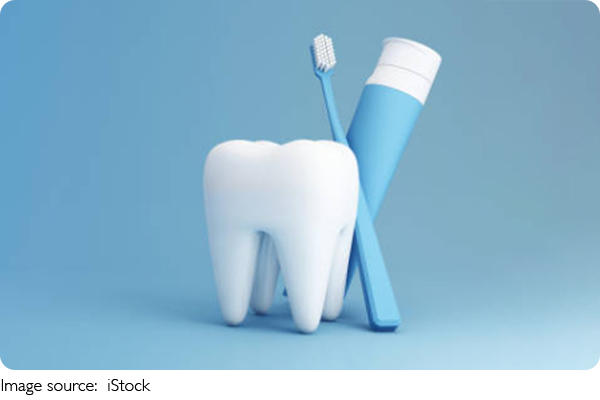
When selecting toothpaste for cavity prevention, check the label to confirm that it contains fluoride. Some formulas also offer additional benefits, such as relieving tooth sensitivity or helping remove surface stains.
Mint-flavored toothpaste can make brushing more refreshing, but its flavor does not provide the main protective effect. Fluoride, combined with proper brushing, helps strengthen enamel and reduce cavity risk.
People who experience recurring cavities or persistent sensitivity can ask a dentist to recommend a suitable toothpaste. The best choice depends on individual dental needs and the product's ingredients.
Everyday Habits for Healthy Teeth
Clean between teeth daily
Dental floss or an appropriate interdental cleaner reaches spaces that a toothbrush may miss. Daily cleaning helps remove plaque and trapped food, supporting healthier teeth and gums.
Limit frequent sugar intake
Frequent exposure to sugars allows bacteria to produce acids that affect enamel. Choosing water instead of sugary drinks and limiting sweet snacks between meals can help reduce repeated acid exposure.
Drink water throughout the day
Water helps rinse away food particles and supports saliva production. Saliva helps neutralize acids and supplies minerals that contribute to enamel protection.
Keep up with dental checkups
Regular dental visits allow a dentist to assess the teeth and gums, identify early changes, and recommend suitable preventive care. The appropriate appointment schedule depends on individual needs and dental history.
Fluoride Toothpaste for Children
Fluoride helps protect children's developing teeth from cavities. Caregivers should supervise brushing and ensure that children use an appropriate amount of toothpaste.
For children younger than three, use a smear of fluoride toothpaste about the size of a grain of rice. For children aged three to six, use no more than a pea-sized amount. Encourage children to spit out the toothpaste when they are able to do so reliably.
For children younger than two, consult a dentist or doctor about the appropriate use of fluoride toothpaste. Supervision and careful portioning help children benefit from fluoride while limiting the amount they swallow.
When to Consult a Dentist
Persistent sensitivity, discomfort when chewing, visible changes in a tooth, or changes in the gums warrant a dental assessment. A dentist can identify the likely cause and recommend appropriate treatment.
Fluoride toothpaste is an essential part of prevention, but it does not replace professional care when a dental condition requires treatment. Seeking advice promptly can help preserve tooth structure and support long-term dental health.

A Daily Routine for a Healthier Smile
A healthy smile begins with consistent habits. Brush twice daily with fluoride toothpaste, clean between your teeth, limit frequent sugar exposure, drink water regularly, and attend dental checkups as recommended.
These simple steps work together to strengthen enamel, reduce cavity risk, and maintain healthy teeth over time. By choosing suitable dental products and following a reliable care routine, you can support your smile at every stage of life.