Healthy Aging Habits

Amina Hassan
| 30-10-2026
 · News team
High blood pressure is common among older adults, but it is not an unavoidable part of aging. Regular monitoring, balanced meals, suitable exercise, and proper medical care can help protect long-term health.
Understanding the condition and developing healthy daily habits are important steps toward better blood pressure management.
Understanding High Blood Pressure
Blood pressure measures the force of blood against artery walls. It has two readings: systolic pressure, recorded when the heart contracts, and diastolic pressure, recorded between heartbeats.
Repeated readings of 140/90 mmHg or higher while resting may indicate hypertension and require medical assessment.
As people age, blood vessels gradually become less flexible, making elevated blood pressure more common. However, it is not an inevitable consequence of growing older. Early detection and appropriate care can reduce potential health risks.
Common Features in Older Adults
Older adults often experience higher systolic pressure because of reduced artery flexibility. Meanwhile, diastolic pressure may remain normal or become relatively low.
Blood pressure can also fluctuate throughout the day. Morning hours, cold temperatures, and emotional stress may influence readings. Some people find their measurements harder to control during colder months.
Another challenge is that hypertension often has no obvious symptoms. A person may feel perfectly normal despite having elevated readings. Regular monitoring is therefore essential.
Why Management Matters
Long-term uncontrolled hypertension places additional pressure on the heart and blood vessels. It may increase the risk of cardiovascular disease, heart disease, and heart failure. It can also damage blood vessels in the kidneys and eyes, potentially affecting their normal functions.
Consistent management and appropriate treatment can help reduce these risks and support a better quality of life.
Five Healthy Management Habits
1. Measure blood pressure regularly
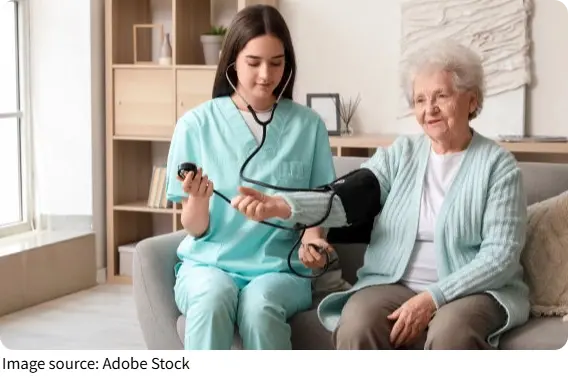
Adults aged 65 and older can benefit from routine checks. Those diagnosed with hypertension may be advised to measure their readings in the morning and evening.
Use an approved upper-arm electronic monitor. Sit quietly for five minutes before measuring, keep both feet supported, and position the arm at heart level. Record the results and share them with a healthcare professional during appointments.
2. Reduce salt intake
Daily salt consumption should be kept around five grams according to the supplied guidance. Remember that salt is also present in prepared sauces, pickled vegetables, packaged meals, and instant soup seasonings.
Choose fresh vegetables, fruits, whole grains, and beans. Suitable portions of fish, eggs, and dairy products can also contribute to a balanced eating pattern.
3. Stay physically active
Walking, brisk walking, and Tai Chi are suitable activities for many older adults. A general target is approximately 150 minutes of moderate activity each week, divided into manageable sessions.
Exercise according to individual ability. Stop if dizziness or chest discomfort occurs, and avoid strenuous activity during particularly cold early mornings.
4. Maintain healthy routines
Regular sleep, a consistent schedule, and emotional balance support overall well-being. Avoid unhealthy habits and dress appropriately when temperatures change. Small improvements in daily habits can complement other management measures.
5. Follow medical advice
Take prescribed medication as instructed. Never stop treatment or adjust the dosage independently, even when readings improve.
If medication causes dizziness, unusual tiredness, persistent coughing, or swelling in the legs, consult a healthcare professional for a review. Unverified products should never replace prescribed treatment.
When to Seek Medical Help
A sudden blood pressure increase, particularly a systolic reading above 180 mmHg, requires attention. Seek urgent assessment, especially when accompanied by severe headache, dizziness, or nausea.
Sudden difficulty speaking, weakness on one side, a drooping mouth, or blurred vision may indicate a serious medical emergency. Contact emergency services immediately.
Chest pain and shortness of breath also require prompt medical evaluation. Older adults experiencing dizziness when standing or repeated falls should discuss their symptoms and medication with a healthcare professional.
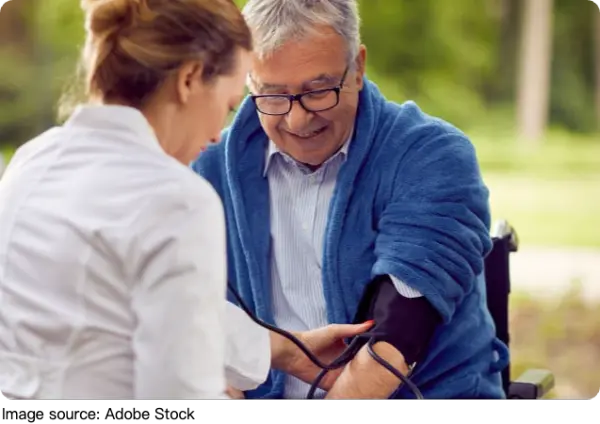
Family members can help by maintaining blood pressure records and updated medication lists.
Final Thoughts
Managing high blood pressure requires consistent attention rather than quick solutions. Regular measurements, lower-salt meals, suitable exercise, healthy routines, and prescribed treatment all contribute to better management. Since individual health needs differ, a healthcare professional should determine appropriate blood pressure targets and treatment plans. With steady care and family support, older adults can better protect their health and maintain their independence.
Hypertension & Healthy Lifestyle in Older Adults
Video by Cardiometabolic Health Congress (CMHC)